
Last updated November 15, 2026
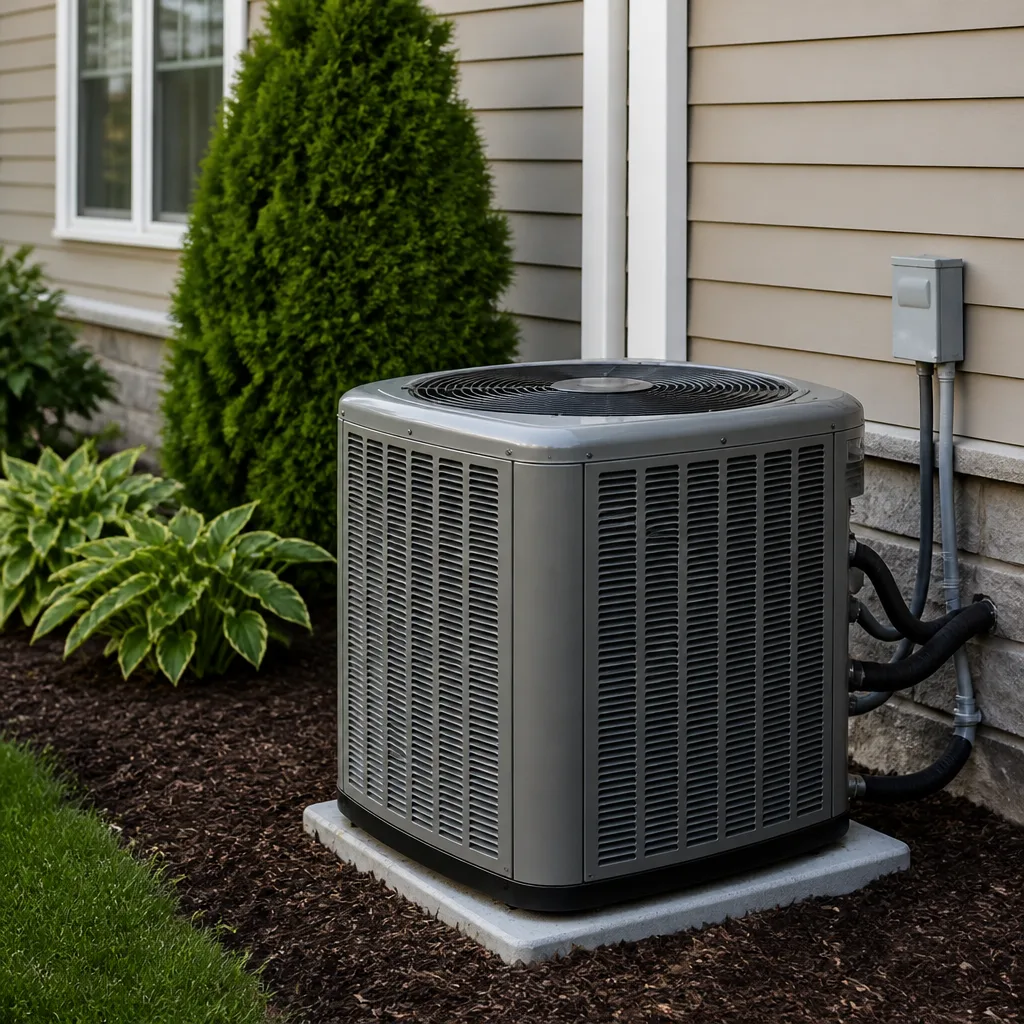 AC repair
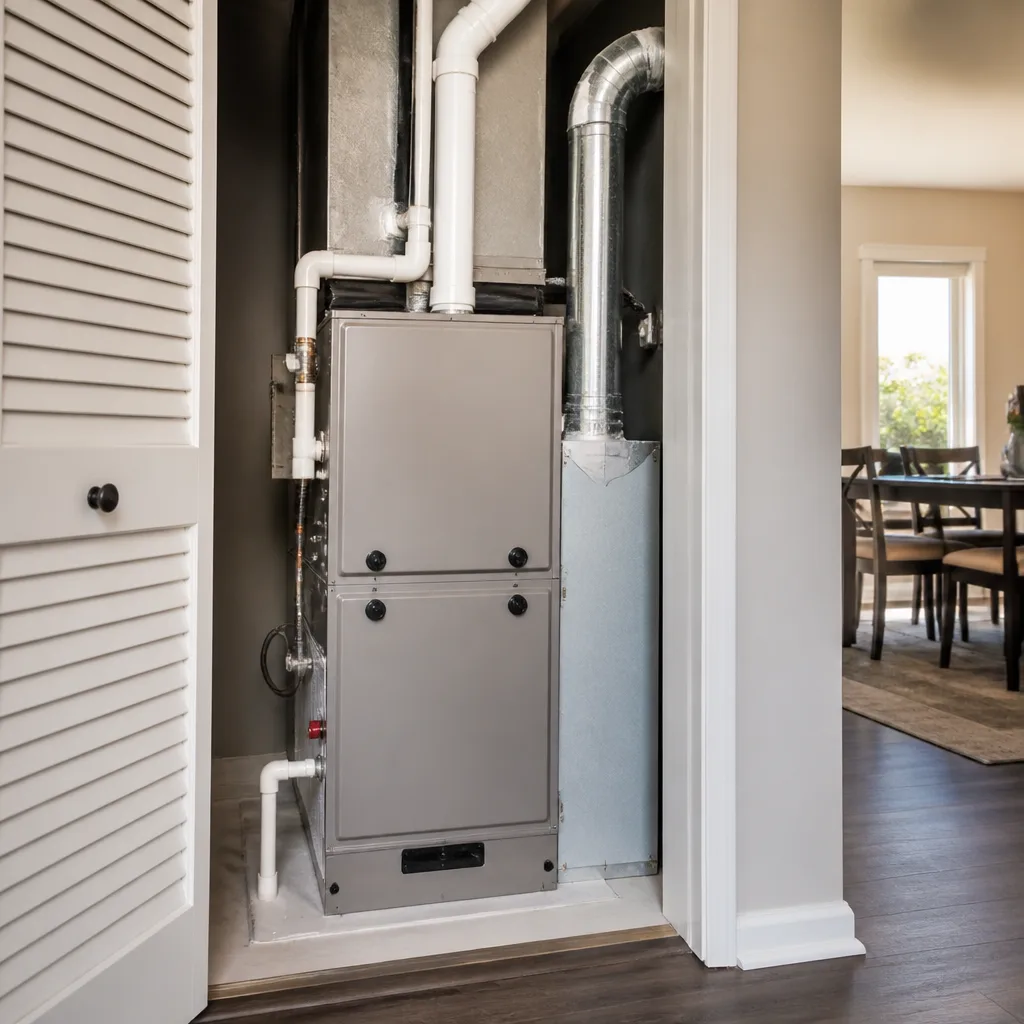 Furnace & heating
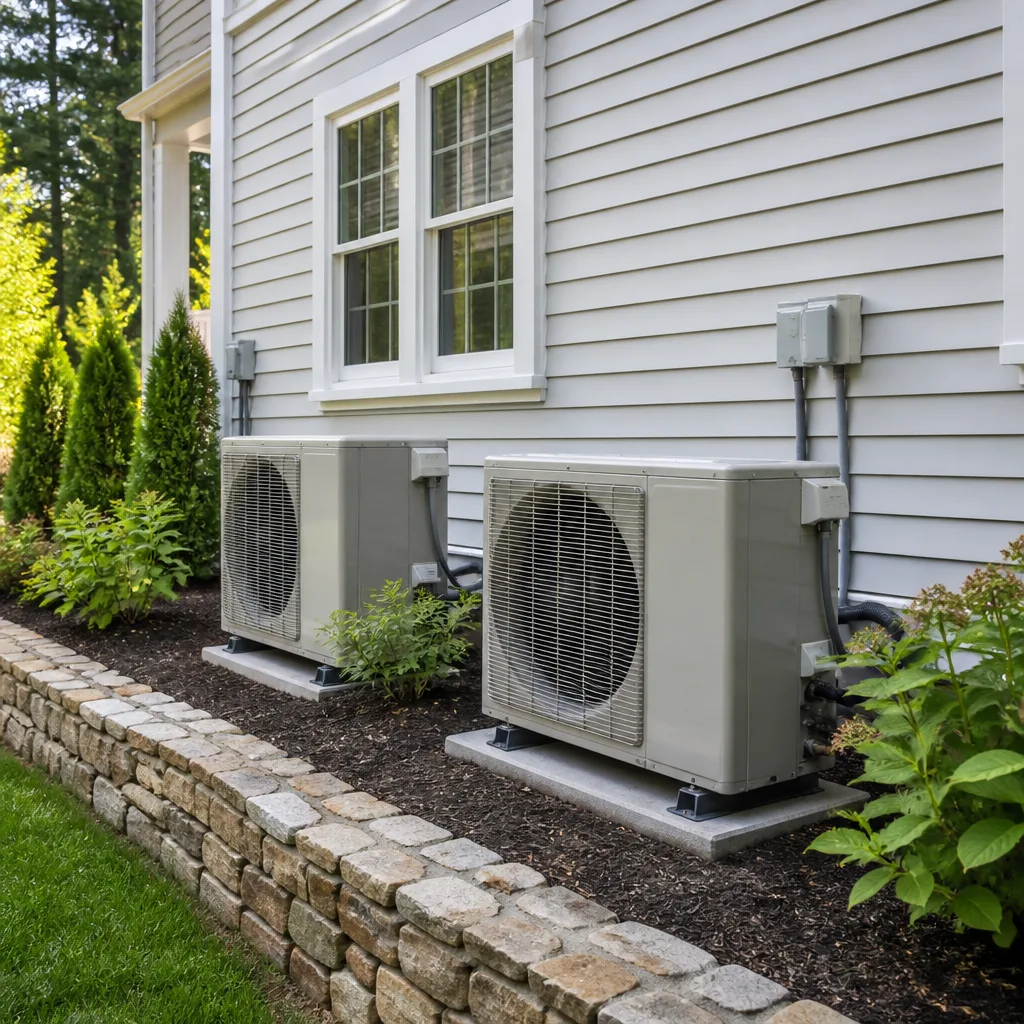 Heat pumps
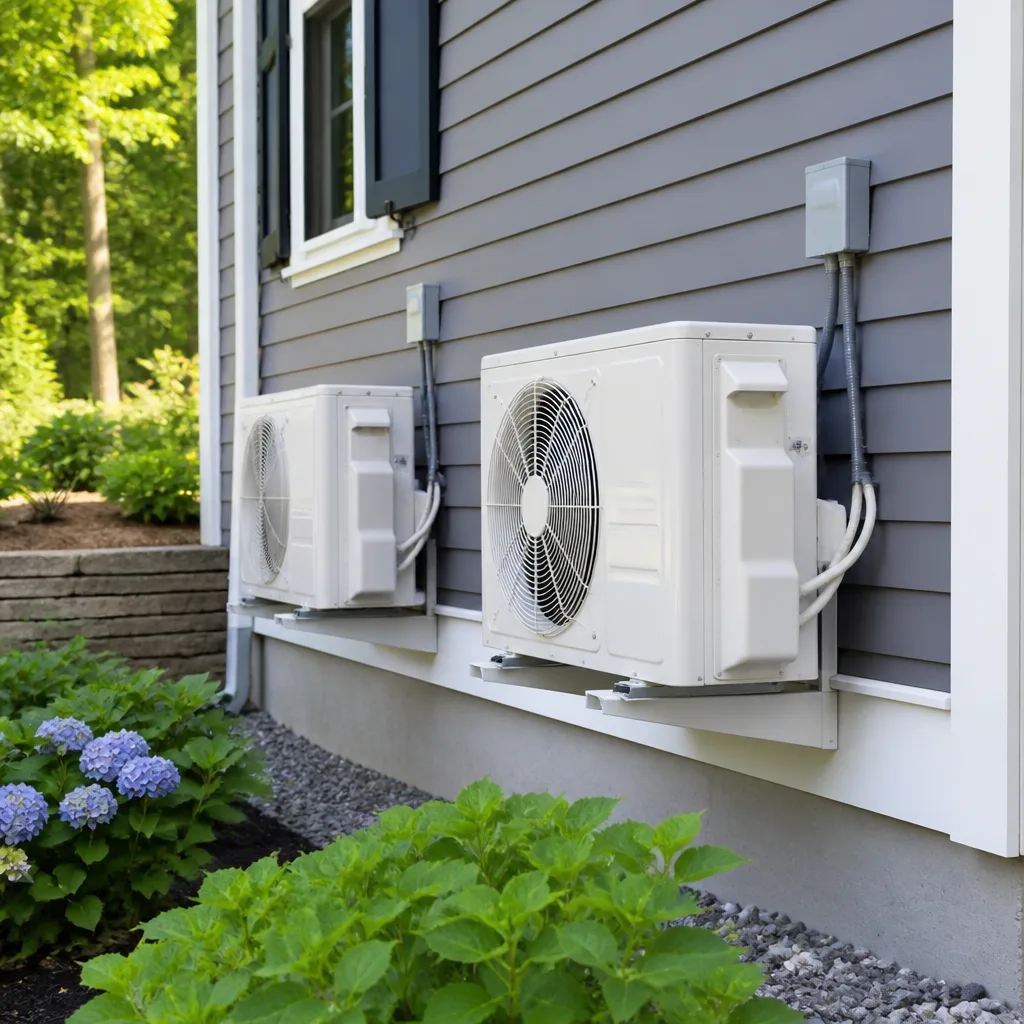 Ductless mini splits
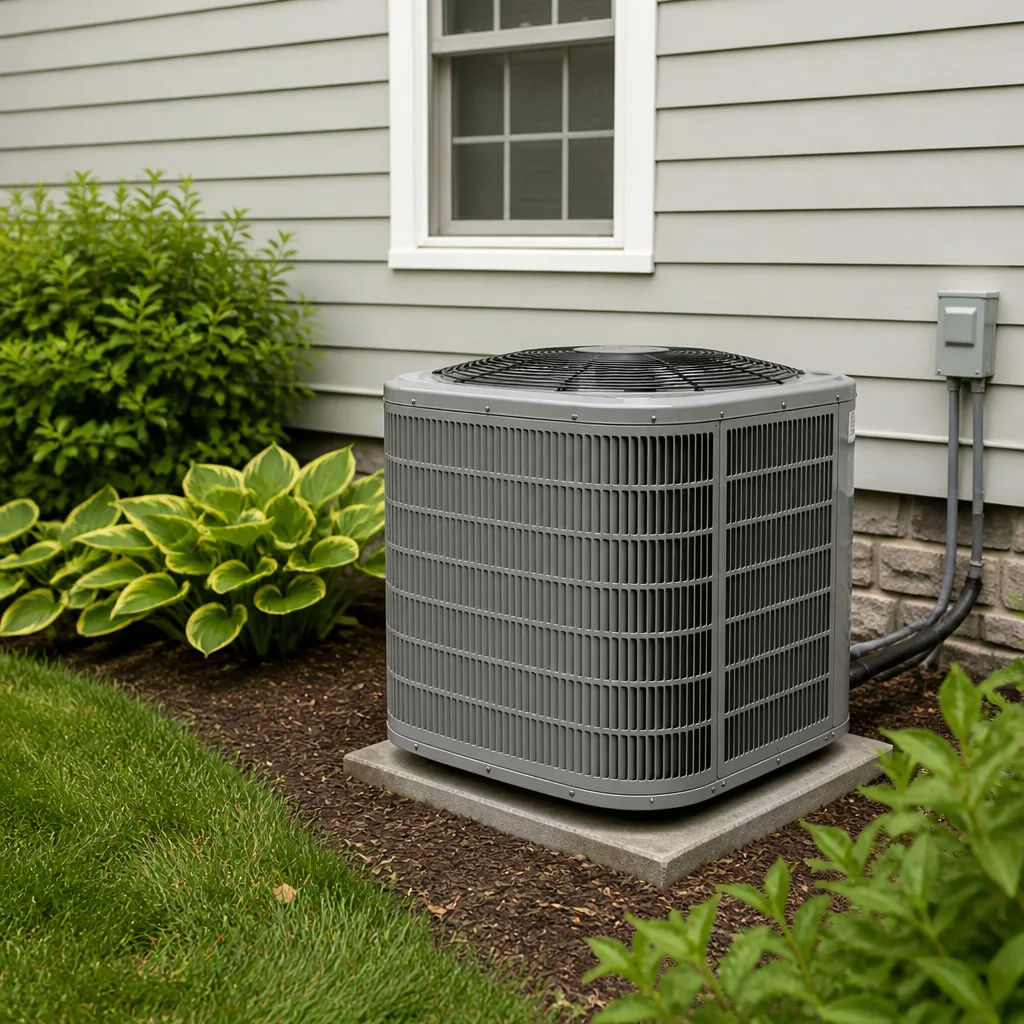 Carrier
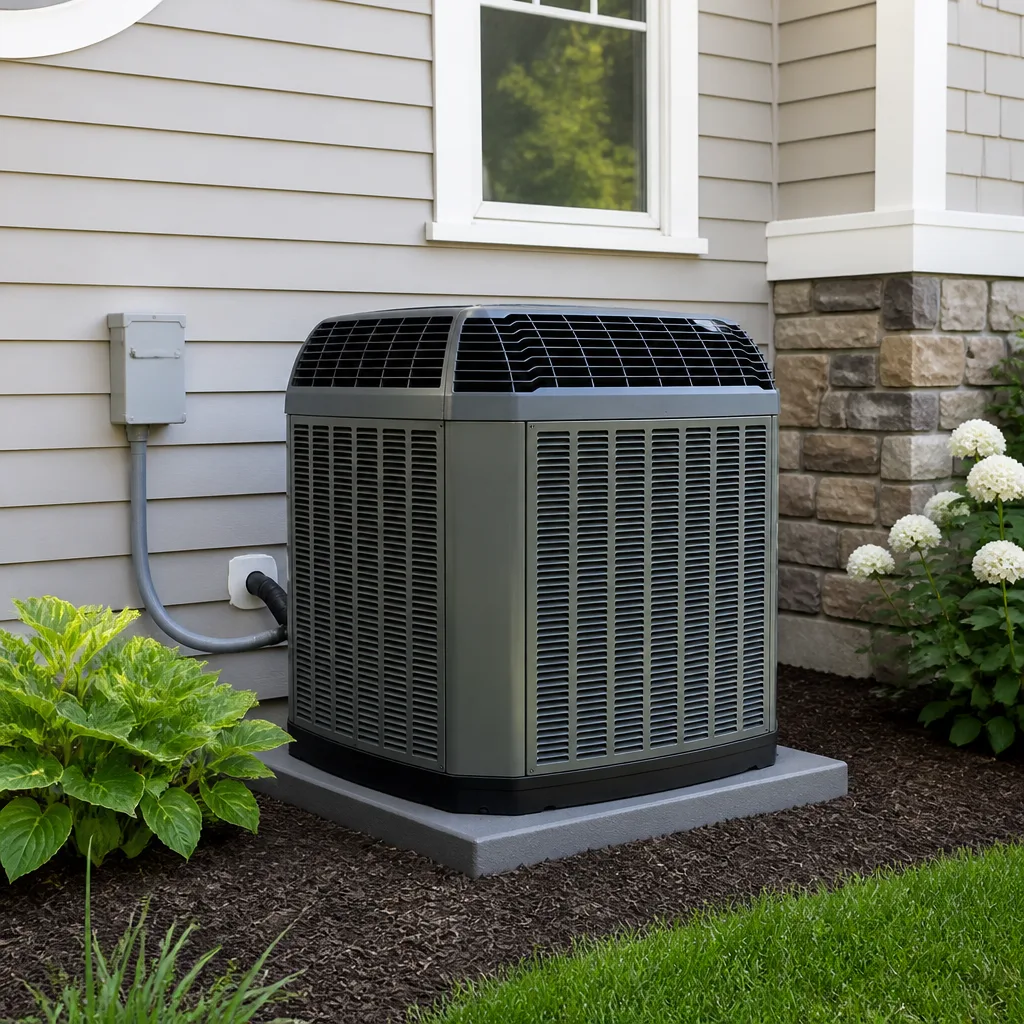 Trane
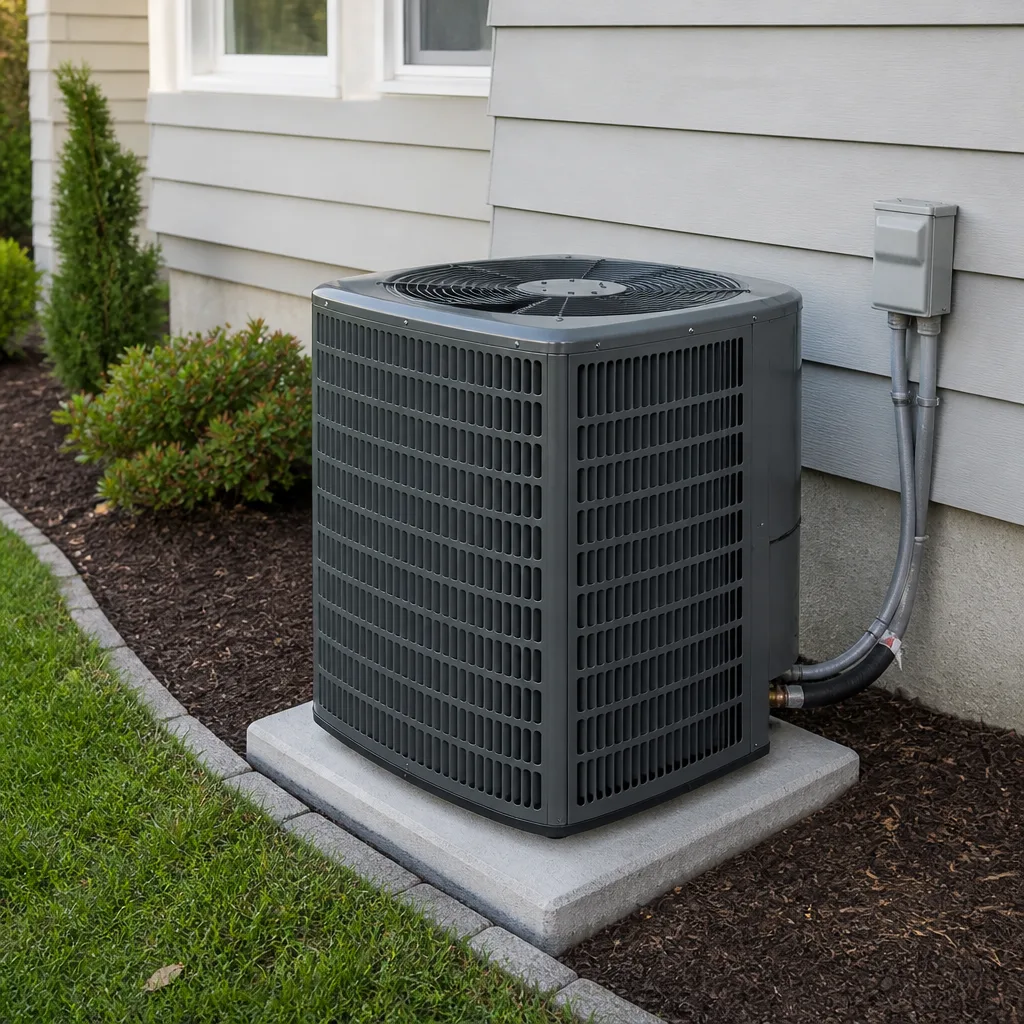 Goodman
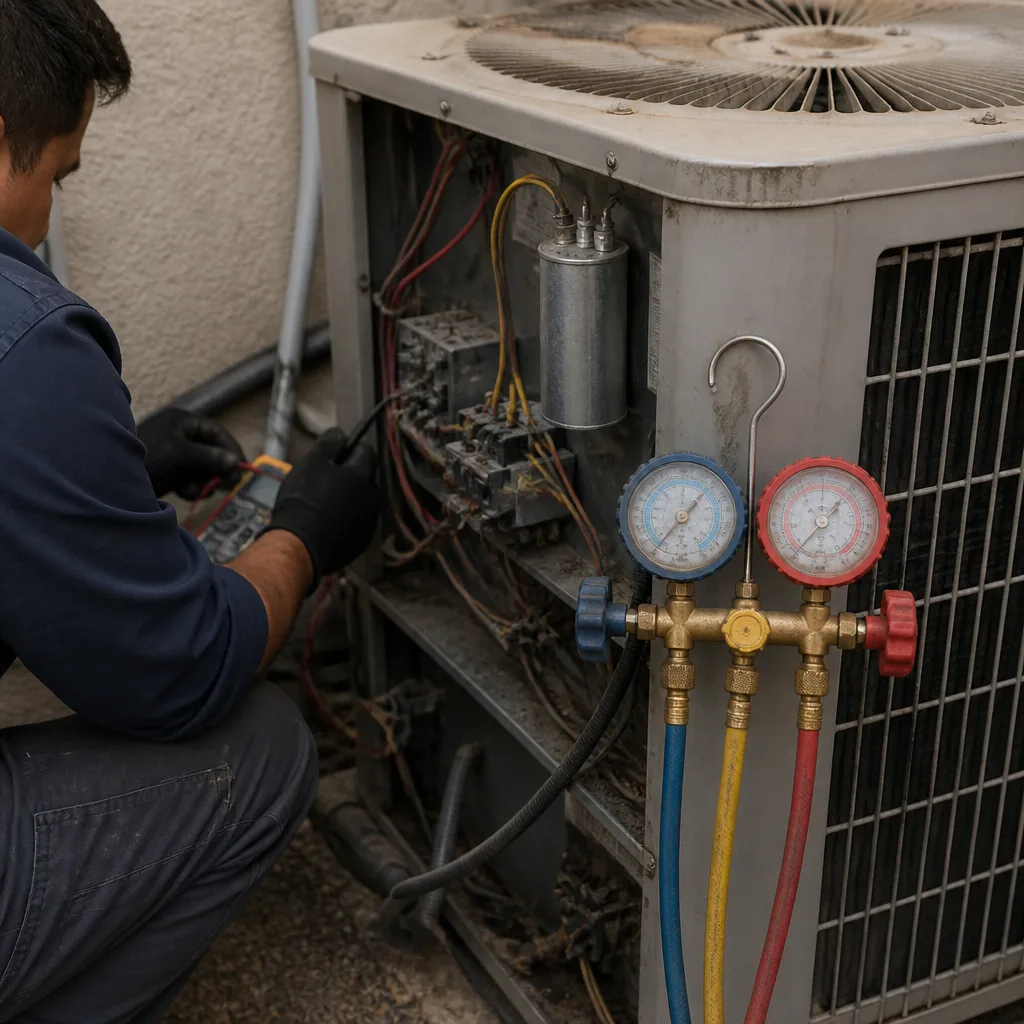
Seasonal tune-up and full diagnostic on your Carrier, Trane, or Goodman system - readings shown to you before any repair is proposed
Diagnosis first, numbers second - you approve the repair price before a single part goes in.
Get your free estimateChoosing the Right HVAC Brand: A Buyer’s Guide for Sunrise Manor
Most brand guides are written by dealers who sell one line, and that single fact tells you most of what you need to know about their rankings. The brand that sits at the top of a national list may have its nearest warranty service provider well outside the Las Vegas valley, and that gap becomes very real when your system quits on a Friday afternoon in July. Here in Sunrise Manor, we work on whatever is already in your home, so this guide comes from the repair side of the trade rather than the sales floor. You’ll learn how to weigh SEER2 numbers against real high-heat performance, which brands have parts stocked locally, and how warranty registration actually works.
Quick Answer
For Sunrise Manor, the right HVAC brand is the one with three things: a compressor and condenser proven at sustained extreme heat, common parts stocked by a distributor in the Las Vegas valley, and a registered 10-year parts warranty you can actually get serviced without a long drive. A well-built 16 SEER2 unit that runs reliably at 110°F and up beats an 18 SEER2 model with a weak high-ambient rating every time. Start with serviceability and parts access, then look at the efficiency sticker.
Styles & brands we work with
- AC repair
- Furnace & heating
- Heat pumps
- Ductless mini splits
- Carrier
- Trane
- Goodman
Table of Contents
- Why brand choice works differently in Sunrise Manor
- SEER2 ratings in context: efficiency versus high-heat performance
- Parts availability in the Las Vegas valley
- What a registered 10-year parts warranty actually requires
- Should you stay with your current brand or switch?
- Builder grade versus replacement grade within the same brand
- A step-by-step way to choose your brand
- How the Sunrise Manor housing stock shapes the decision
Why brand choice works differently in Sunrise Manor
National brand comparisons usually assume a mild climate, a dense contractor market, and easy access to parts. Sunrise Manor breaks all three assumptions. Summer design temperatures here push well past 100°F for weeks, so your condenser lives at the top of its operating envelope rather than in the middle of it. That changes which brands separate from the pack. A unit that performs beautifully at 95°F in a cooler climate may struggle to hold a setpoint here when the outdoor coil is heat-soaked by noon.
The second factor is geography. Sunrise Manor is part of the Las Vegas valley, and not every manufacturer keeps deep local stock of residential equipment and common replacement parts. Carrier and Bryant share a distribution network, Goodman and Daikin share another, and Lennox has its own. When a component fails, the difference between a part that sits in valley stock and one that ships from out of state can stretch a repair across several days in the middle of a heat wave. That delay is what residents feel, not the badge on the cabinet.
Warranty service density matters too. A registered warranty is only useful if the work can be done locally by someone qualified on that brand. If the regional warranty service for a particular line sits far from Sunrise Manor, the customer absorbs the inconvenience. We see this most often with brands that sell strongly elsewhere but have thin representation here.
The practical upshot: evaluate a brand on how it behaves in Sunrise Manor’s heat and how its parts and warranty network behave in the Las Vegas valley, not on how it ranks in a national survey. That framing runs through the rest of this guide.
SEER2 ratings in context: efficiency versus high-heat performance
SEER2 is the current efficiency standard, and higher numbers mean lower energy use in a controlled test. But the SEER2 test doesn’t run in 115°F air, and that’s where a lot of brand shopping goes wrong. A system rated for high efficiency can still have a compressor and coil combination with a weaker high-ambient performance curve, meaning it uses more energy and works harder once outdoor temperatures climb into the range Sunrise Manor sees most of the summer.
So how do you weigh it at the showroom? Start by treating efficiency and heat performance as two separate questions, not one score.
- Efficiency: what the SEER2 number tells you, based on the standard test. Useful for comparing operating cost at moderate conditions.
- High-ambient performance: how the unit behaves when the outdoor coil is hot. You find this in the manufacturer’s expanded performance data, which shows capacity and efficiency at specific outdoor temperatures. Ask for the numbers at typical local summer highs, not just the headline rating.
- Compressor track record: a brand with a proven compressor at sustained high load is worth more than a few SEER2 points. Ask how the compressor is built and what the failure history looks like in hot climates.
- Coil and fan design: copper versus aluminum coils, and the coil’s airflow path, affect how well the unit sheds heat. A design that runs cooler lasts longer here.
In our experience, a 16 SEER2 unit from a line with a strong compressor history at high ambient outperforms an 18 SEER2 unit with a weaker rating in the same conditions. The sticker number rewards efficiency under test conditions; the expanded data and the compressor tell you how it will hold up in a Sunrise Manor July. Don’t let a higher SEER2 number alone win the decision, and ask your contractor to show you the high-ambient performance figures side by side before you commit. That request alone filters out salespeople who are working from a brochure instead of data.
Parts availability in the Las Vegas valley
When something fails, you don’t care about brand prestige. You care how fast the part arrives. Here’s the local reality for the brands most common in Sunrise Manor homes.
- Carrier and Bryant: these two share corporate ownership and a distribution network, so common residential parts and equipment are generally well-stocked across the Las Vegas valley. When a component is on the shelf, a repair can often be finished the same day.
- Goodman and Daikin: likewise part of the same corporate family, with broad contractor access and good stock of common parts. Because Goodman installed widely in valley tract housing, finding compatible components is straightforward.
- Lennox: runs its own distribution and parts channel. Availability is solid but can be more centralized, so a less common component might mean a short wait rather than a same-day fix.
- Other majors: availability varies by distributor relationship. The question to ask your contractor is not “do you stock it,” but “is the common part in valley stock, and how long does a rare part take?”
The point isn’t that any of these brands is unreliable. It’s that parts access changes the practical experience of owning the system. A brand with a deep local stock bench means fewer days with the house warm while you wait for a compressor or a control board. When we look at a repair in Sunrise Manor, the first call we make is to check whether the part is available locally, because that answer shapes what we can honestly promise you.
For a system replacement, the same logic applies. A brand with local stock means a replacement condenser can be set on schedule instead of waiting for a shipment. That’s a real advantage when the old unit has already failed and the family is staying elsewhere until the new one is in. If a distributor has to order from out of state, everyone waits.
What a registered 10-year parts warranty actually requires
The phrase “registered 10-year parts warranty” shows up on nearly every brand’s marketing, and it’s misleading without the fine print. The 10-year term usually applies only if the equipment is properly registered, and the requirements differ from brand to brand. This is where a lot of homeowners lose coverage without realizing it.
Here’s what generally matters:
- Registration timing: most manufacturers require registration within a set window after installation, often around 60 days. If it slips, the parts warranty can drop back to the base term, which is typically 5 years.
- Registration completeness: the model and serial numbers, installation date, and contractor information all have to match. A missing serial number can void the online submission.
- Registered to the homeowner: some brands require the warranty to be registered to the current homeowner, which matters if you buy or sell a home. A transfer may need to be documented.
- Installation quality: warranty coverage assumes proper installation by a qualified contractor. Improper charge, airflow, or ducting can void a repair claim.
Some brands make registration straightforward with a clean online portal; others require a contractor to submit it, and the homeowner may never see confirmation. The easiest way to protect yourself is to ask for proof of registration in writing after installation and to keep it with your service records. If you’ve moved into a Sunrise Manor home and aren’t sure whether the equipment was ever registered, call us and we’ll help you find out. The difference between a registered and unregistered system on a major compressor repair is the difference between part cost only and paying for the compressor yourself.
Should you stay with your current brand or switch?
There’s a strong case for staying with the brand you already own when it’s time to replace, and a strong case for switching too. It depends on what’s already installed and how the upgrade path looks.
The case for staying.
- Contractor familiarity: whoever services your current line is fluent in its quirks, service bulletins, and control behavior. That’s worth something.
- Line set compatibility: the refrigerant lines between the indoor and outdoor coil may work with a newer unit from the same brand, which can trim some of the replacement work. Not always, but sometimes.
- Same-brand parts ecosystem: the coil, controls, and accessories you already own may remain compatible, so there is less to replace at once.
The case for switching.
- Better fit for local conditions: if your current brand has a weaker high-ambient record or thin parts access, a different line may be the better long-term choice.
- Electrical compatibility: a brand change is a good time to confirm the circuit and disconnect are sized for the new unit, so the upgrade doesn’t create a code issue.
- Efficiency opportunity: if the old unit predates current standards, a switch can capture the full efficiency gain.
We handle both repair and replacement decisions in-house, so we can look at your existing equipment and tell you honestly whether fixing it or replacing it makes more financial sense. If the unit has life left and the problem is a single part, we’ll tell you. If the compressor is failing and the coil is past its service life, a repair may be money spent on a system that’s already near the end. That’s the conversation we have with Sunrise Manor homeowners every week, and there’s no incentive on our end to push one brand over another because we work on nine major brands. See our AC installation page for what a replacement involves, and our furnace repair page if heating is your immediate concern.
Builder grade versus replacement grade within the same brand
This is one of the most misused comparisons in HVAC shopping. A Goodman unit installed in a 2003 Sunrise Manor tract home is not the same product as a current Goodman GSXC18, even though both say Goodman on the cabinet. The brand is the same; the tier is not.
Here’s the distinction:
- Builder grade: equipment specified for new construction, usually because it met the builder’s bid. It tends to use the most economical parts, a simpler coil, and a lower efficiency tier. It works, but it’s not built for the long haul in extreme heat.
- Replacement grade (residential replacement or premium tier): a different product line within the same brand, with better components, a more durable coil, and higher efficiency. This is what a mechanical contractor recommends when the priority is longevity and heat performance.
Why does the comparison get misused? Because a homeowner with a failed 2003 builder unit may hear “Goodman is unreliable” from someone comparing the failed builder unit to a premium product from a different brand. That’s an apples-to-oranges comparison. The right comparison is builder grade to builder grade, or replacement tier to replacement tier, across brands. A brand with a strong builder unit and a strong premium line can look terrible or excellent depending on which tier you’re comparing, so ask specifically which product line is on the quote.
For a Sunrise Manor homeowner starting fresh, the honest question is: given the summer heat, do you want the builder tier or the replacement tier? Our answer is usually the replacement tier when the budget allows, because it’s built to handle sustained high load. But we’ll say so plainly and show you the product line, not just the manufacturer name.
See the difference
 Before
 After
 Before
 After
 Before
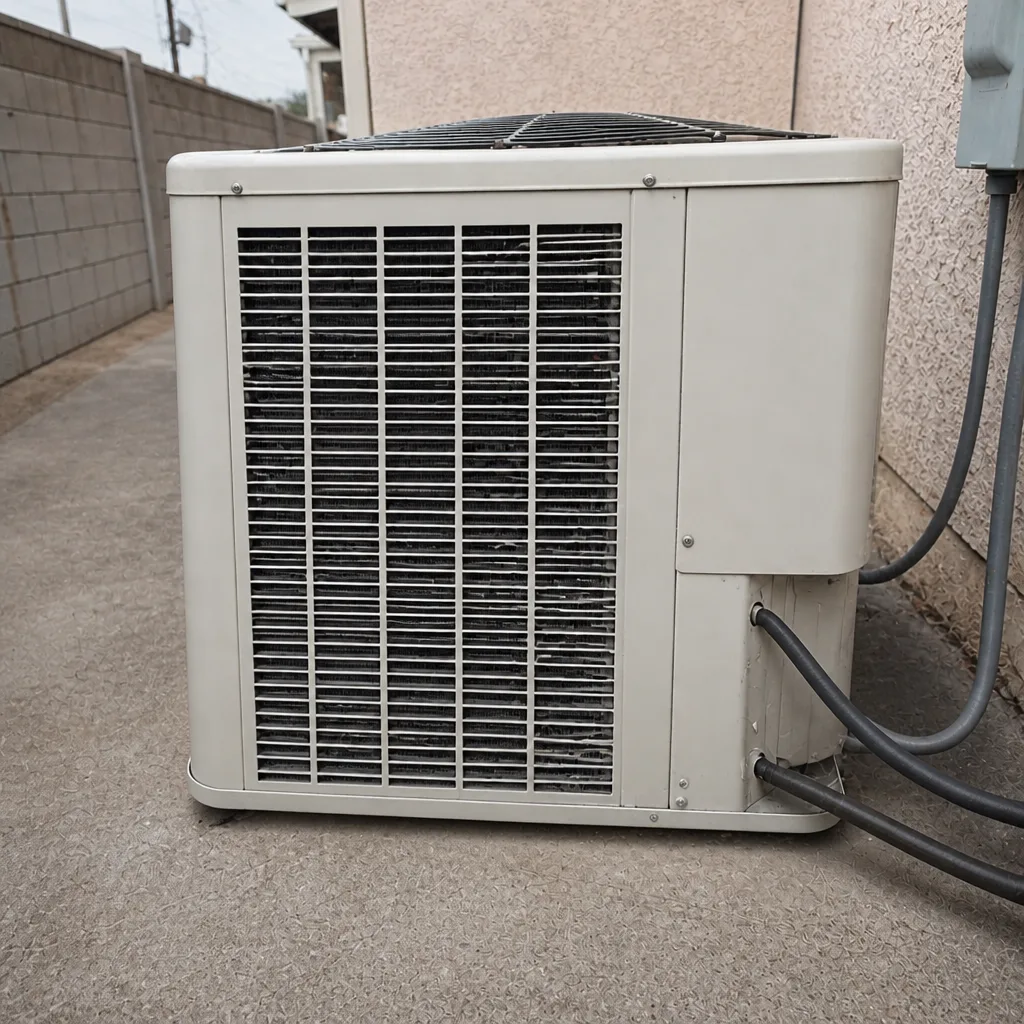 After
A step-by-step way to choose your brand
If you’re starting from scratch, here’s a sequence that keeps the decision grounded in what matters locally.
- 1
Identify what’s installed now. Find the model and serial numbers on the outdoor unit and inside the air handler, then write them down. If you can’t find them, we can identify the equipment.
- 2
Check the high-ambient performance data. Ask for capacity and efficiency figures at typical local summer temperatures, not just the SEER2 label. Compare the data side by side.
- 3
Confirm local parts access. Ask whether the common parts for the brand are stocked in the Las Vegas valley and what lead times look like for a compressor or control board.
- 4
Read the warranty requirements. Ask who registers the warranty, within what window, and how you’ll receive proof. Confirm whether it transfers if you sell the home.
- 5
Compare tiers, not just brands. Ask specifically which product line the quote covers and how it compares to the builder tier for the same brand.
- 6
Check the upgrade path. Confirm whether your existing line set and electrical circuit are compatible, and what the contractor will do if they aren’t.
- 7
Get a written estimate. The estimate should show the brand, model, efficiency tier, and the scope of work. The written estimate sets the final price.
Run this sequence once and you’ll have a shortlist that makes sense for Sunrise Manor, with fewer surprises at the end.
How the Sunrise Manor housing stock shapes the decision
The homes here lean heavily toward tract construction from the 1990s and 2000s, and that history shapes what’s already installed. Many of those units were builder-grade single-stage systems, sized to a builder’s bid rather than a careful room-by-room load calculation. A lot of them are now at or past the end of their service life, and the compressor or coil replacement cost often approaches the value of a new system. When you’re replacing a unit like that, it’s a chance to go to a better tier of the same brand, or a different brand entirely, with a proper load calculation for how your home is used.
Sunrise Manor’s summers are the other half of the story. Long stretches of dry heat push the condenser harder than a manufacturer’s headline test is designed to capture. Where the housing stock supplies ductwork that’s not well sealed or insulated, the equipment runs longer and hotter, and a brand with a stronger high-ambient record is the difference between a comfortable summer and one that keeps you on the phone with the repair line. The climate is why the high-ambient data matters here more than it would somewhere milder, and it’s why we always ask about the condition of the ducts and the electrical panel before we recommend a replacement tier.
Both heating and cooling matter in this valley, even if the cooling side dominates. A brand that has decent furnace and heat pump support locally keeps you covered in winter too. Our technicians have up to 10 years of experience across cooling and heating, so they aren’t learning the heating side fresh each winter.
Common Mistakes to Avoid
- Choosing on SEER2 alone. A higher SEER2 number from a unit with a weaker high-ambient rating can cost more to run in a Sunrise Manor summer. Compare the expanded performance data, not just the sticker.
- Believing a brand’s national reputation covers local service. What matters here is the parts and warranty network in the Las Vegas valley, not a national ranking. Ask where the common parts sit.
- Skipping registration. A 10-year parts warranty usually falls back to 5 years if the registration window is missed. Ask for proof of registration in writing.
- Comparing tiers as if they were the same brand. A builder-grade unit from 2003 is not the same product as a current replacement-tier line from the same manufacturer. Ask which product line each quote covers.
- Switching brands without confirming compatibility. Line sets, electrical circuits, and controls may or may not work with a new brand. Confirm the upgrade path before committing.
- Choosing a brand with thin local distribution to save on the nameplate. If a part has to ship from out of state, a summer repair can drag. Check local stock before you buy.
- Skipping the written estimate. A verbal number doesn’t set the scope. Ask for the brand, model, and scope in writing so the final price is clear.
When to Call a Professional
If you’re deciding between repairing the unit you have and replacing it, that’s a call worth making to a trained technician rather than a salesperson. We see systems in Sunrise Manor that are worth repairing and others where the repair cost points toward replacement, and the difference is often a compressor or coil assessment plus a look at the rest of the system. If the equipment is failing, if the system is short-cycling in the afternoon heat, if the house never quite reaches setpoint, or if you don’t know the brand or age of what’s installed, a professional visit is the fastest route to an honest answer. We work on Carrier, Trane, Lennox, Goodman, Rheem, York, Daikin, Bryant, and American Standard, so whatever system is in your home, we can assess it without pushing one line. AC Repair Sunrise Manor offers free estimates in Sunrise Manor: call (855) 356-3116. We answer 24/7. Fast dispatch from 7am to 7pm, Sunday through Friday.
Frequently Asked Questions
There isn’t one universal best brand; for Sunrise Manor, the best brand is the one with proven high-ambient performance, parts stocked in the Las Vegas valley, and a registered 10-year parts warranty with local service. A replacement-tier unit from a widely supported line usually beats a premium name with thin local access. Call (855) 356-3116 for an exact quote; estimates are free.
No. A higher SEER2 rating reflects the standard test at moderate conditions, and a unit with a weaker high-ambient rating can use more energy in Sunrise Manor’s summer heat than a lower-rated unit built for sustained high load. Compare the expanded performance data at local summer temperatures. Call (855) 356-3116 to talk through the numbers.
Often yes, if your existing line set and electrical are compatible and the current brand has good local parts access. Switching can make sense if the old brand has a weaker high-ambient record or a thinner parts network here. We’ll tell you honestly whether repair or replacement makes more sense. Call (855) 356-3116 to book a free estimate.
Not automatically. The 10-year term usually requires registration within a set window after installation, with the model and serial numbers matching. Miss it and the parts warranty can drop back to the base term. Ask for proof of registration in writing. Call (855) 356-3116 and we can help you check whether your current system was registered.
Because it’s a different product tier. Builder-grade equipment is specified economically for new construction, while a replacement-tier line from the same brand uses better components and higher efficiency. The comparison should be tier to tier, not builder grade to premium. Our technicians handle both ends of that spectrum, and the estimate sets the final price on whatever you choose.
In most homes here, yes. We’re qualified to work on nine of the industry’s leading brands: Carrier, Trane, Lennox, Goodman, Rheem, York, Daikin, Bryant, and American Standard. Whatever system you have, we work on it, and our technicians have up to 10 years of experience. Call (855) 356-3116. We answer 24/7. Fast dispatch from 7am to 7pm, Sunday through Friday.
The Bottom Line
Choosing an HVAC brand for a Sunrise Manor home comes down to high-ambient performance, local parts access, and a registered warranty you can actually get serviced. Efficiency numbers matter, but they matter in context. Builder grade and replacement tier are different products even within the same name. If you’re weighing a repair against a replacement, our approach is to look at the whole system and tell you honestly which way the math points, because we work on nine major brands and don’t have a single line to push. If you want a clear answer, call AC Repair Sunrise Manor at (855) 356-3116 for a free estimate. We answer 24/7. Fast dispatch from 7am to 7pm, Sunday through Friday. Our AC Repair Sunrise Manor team is ready to help.
Written by the team at AC Repair Sunrise Manor.