
Last updated November 15, 2026
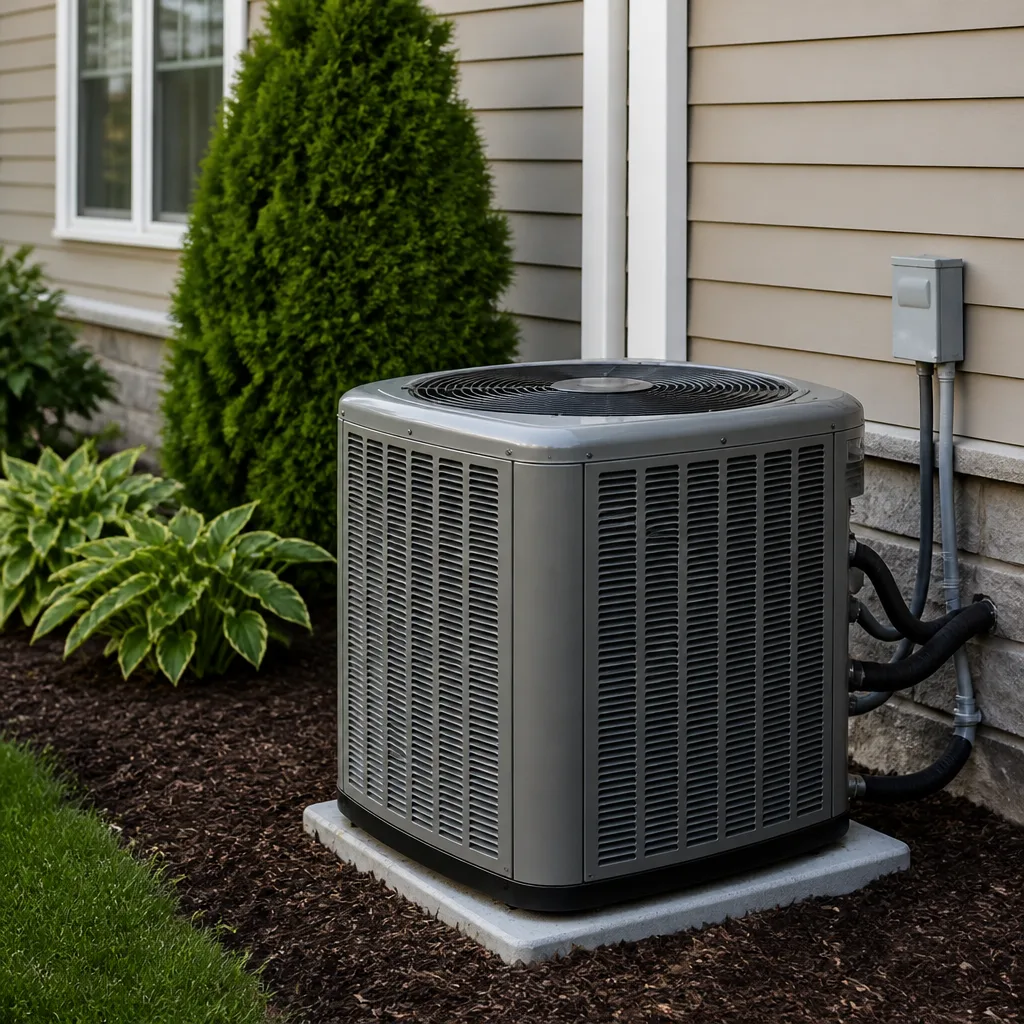 AC repair
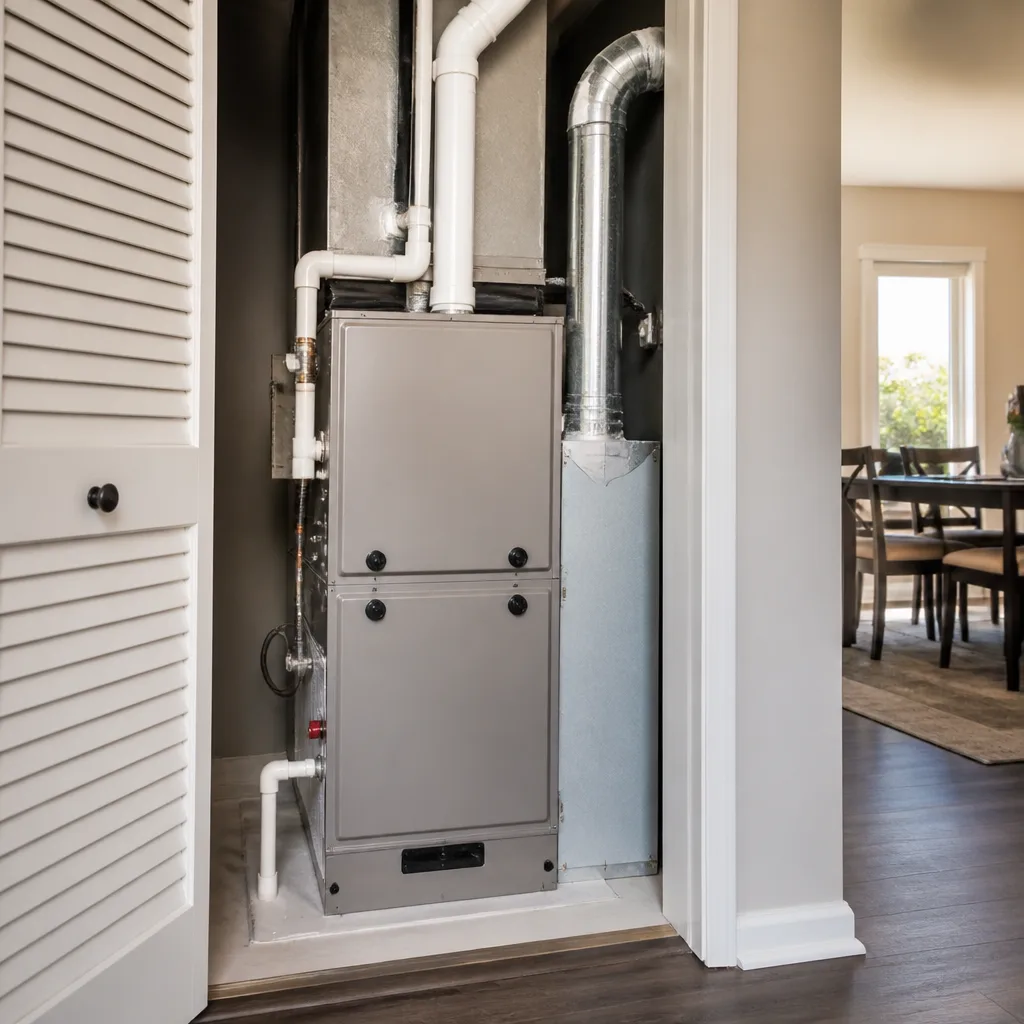 Furnace & heating
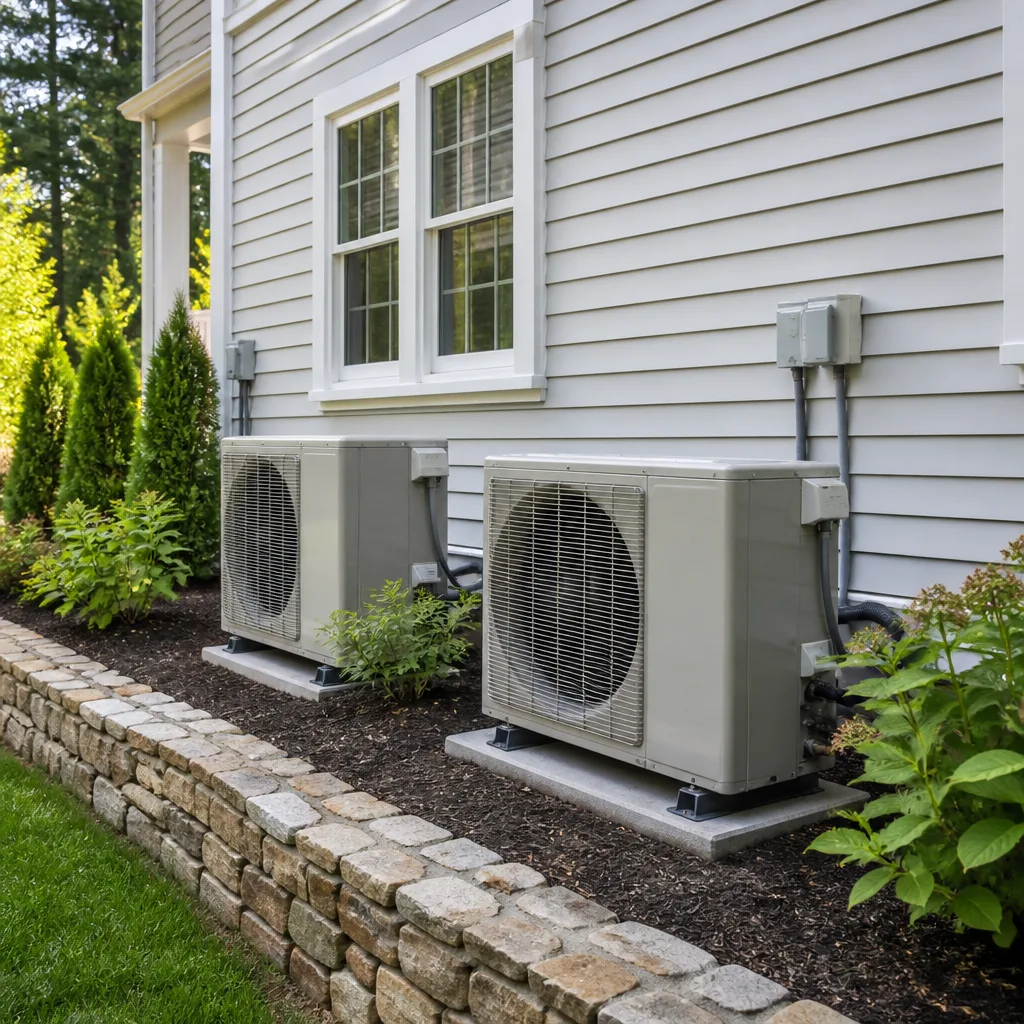 Heat pumps
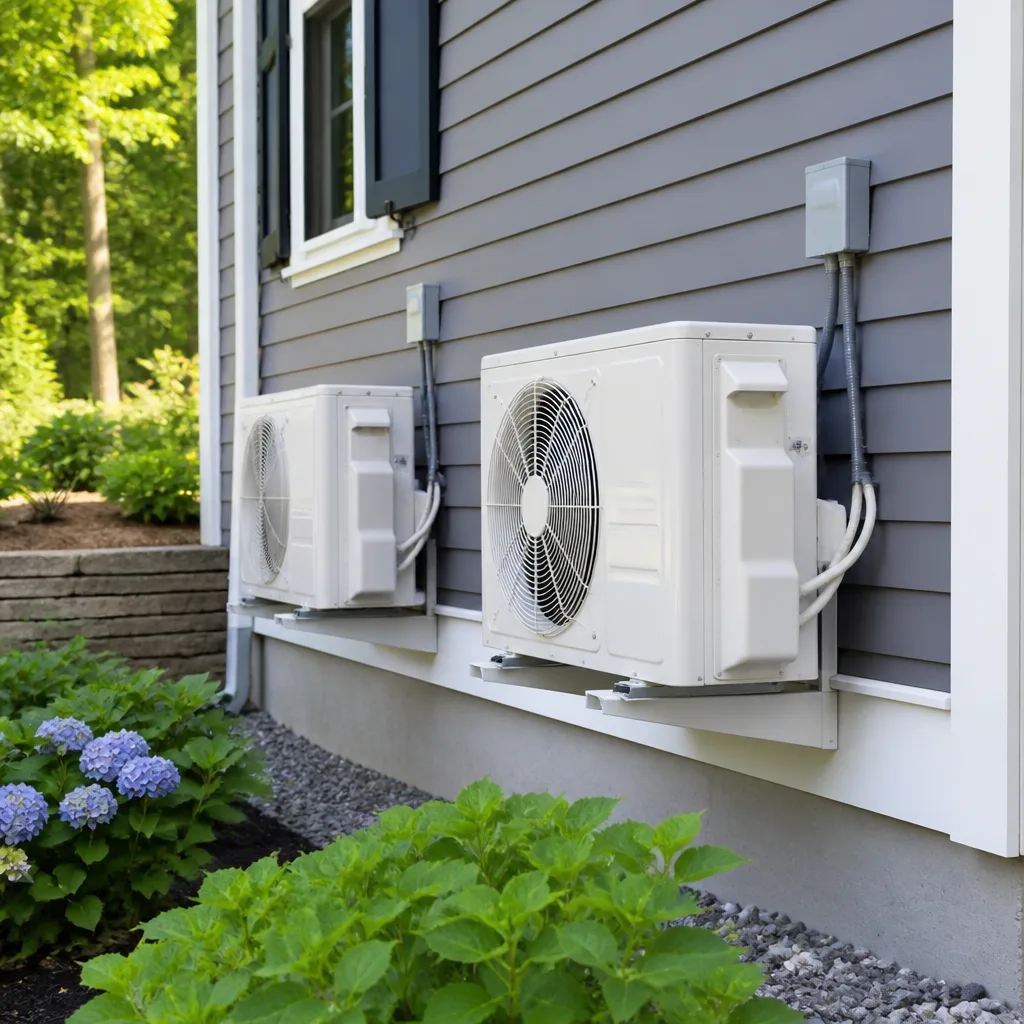 Ductless mini splits
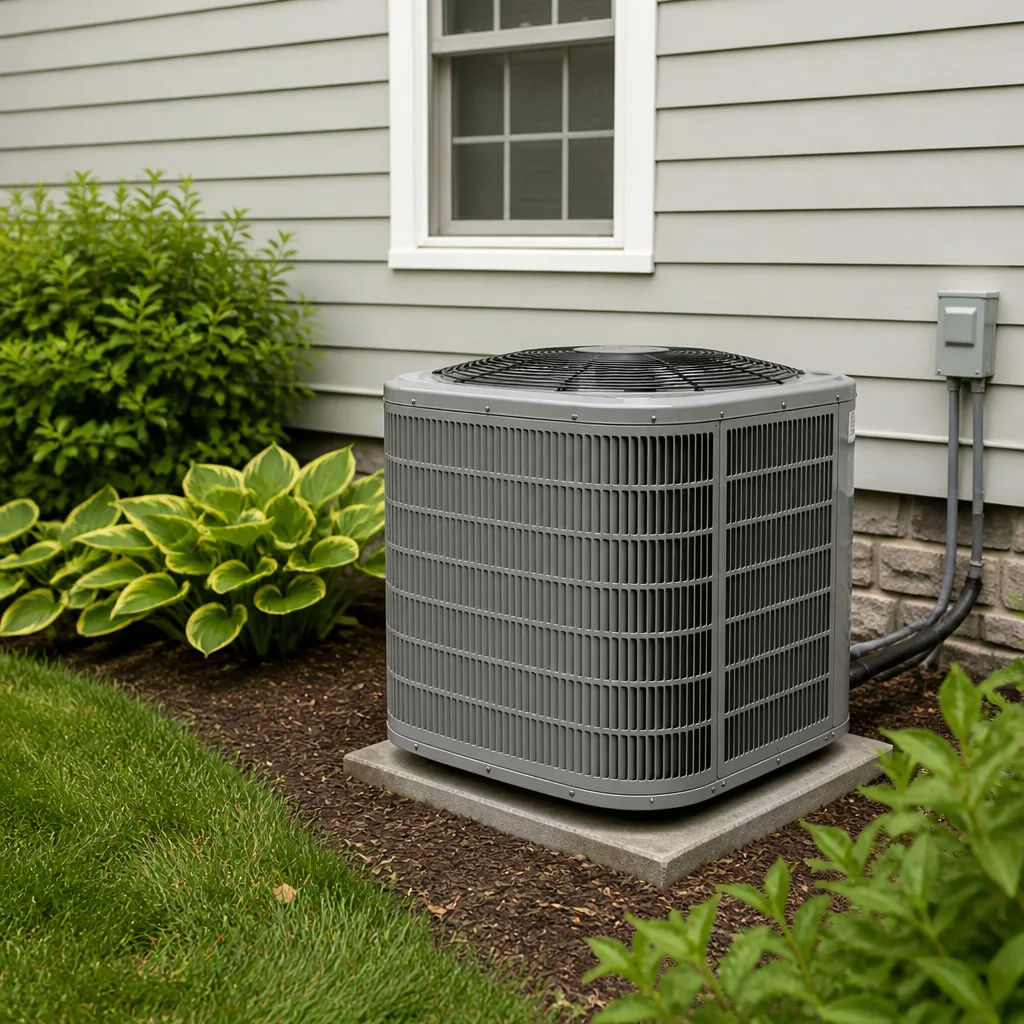 Carrier
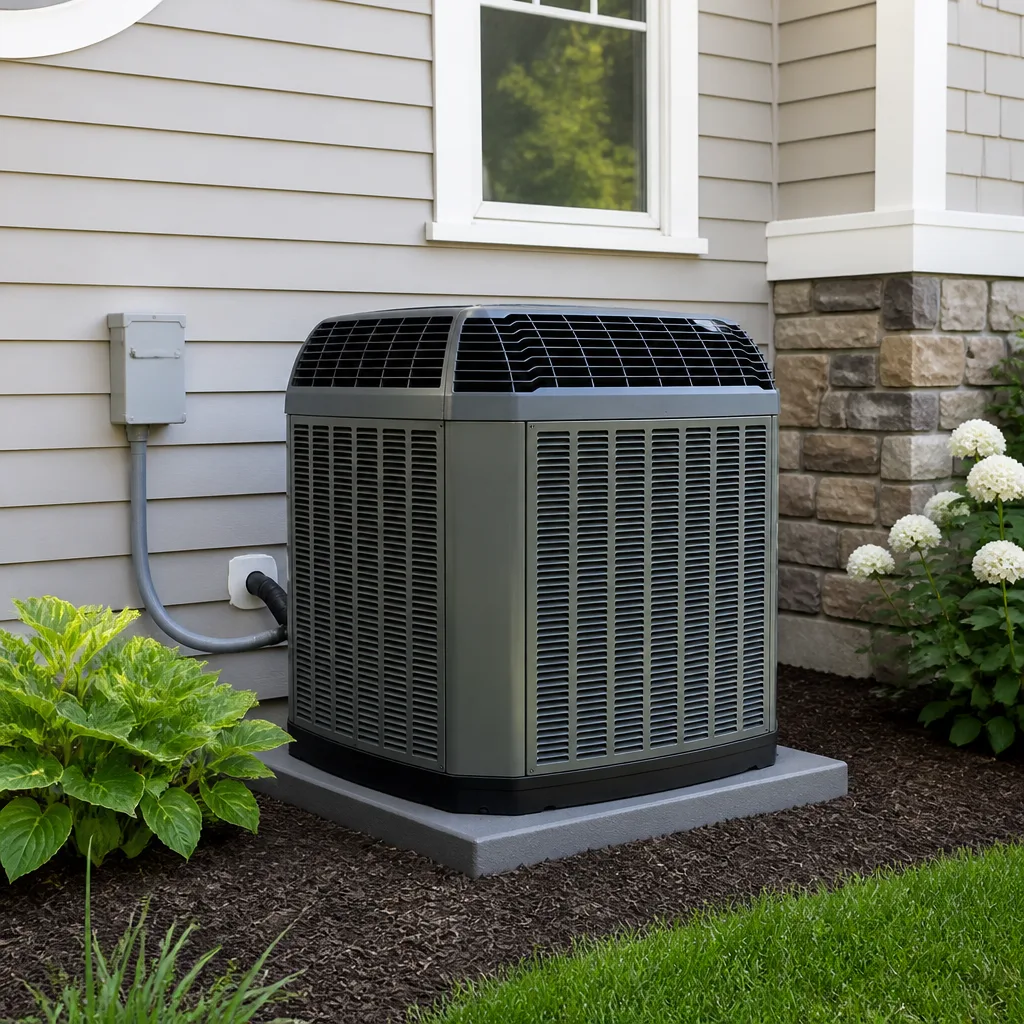 Trane
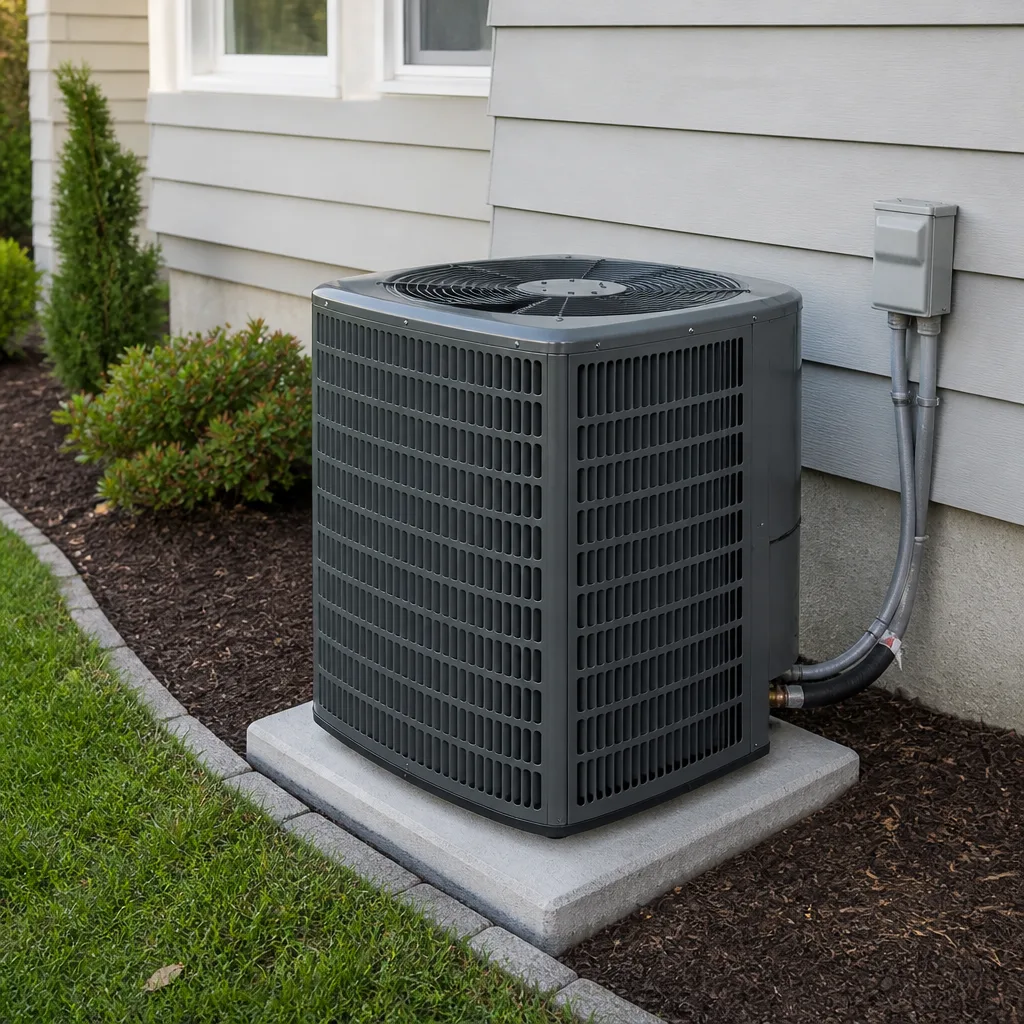 Goodman
Seasonal tune-up and full diagnostic on your Carrier, Trane, or Goodman system - readings shown to you before any repair is proposed
Diagnosis first, numbers second - you approve the repair price before a single part goes in.
Get your free estimateDIY vs Professional HVAC: The Sunrise Manor Homeowner’s Decision Guide
Replacing your own capacitor on a $90 part costs you $90. Replacing it wrong – the wrong microfarad rating or the leads swapped onto the wrong terminals – costs you a compressor. On most residential systems that’s a four-figure part, and the miswire is one of the first things a manufacturer’s warranty inspector looks for. The DIY versus professional question isn’t really about willingness to get your hands dirty. It’s about knowing exactly where the line sits between a task that saves you money and one that quietly voids your coverage or damages the equipment you already own. This guide draws that line for Sunrise Manor homeowners, task by task.
Quick Answer
In Sunrise Manor, homeowners can safely and legally handle air filter changes, condensate drain clearing, 24-volt thermostat swaps, and a careful outdoor coil rinse. Everything involving refrigerant handling, gas lines, the electrical disconnect, or the breaker panel should go to a licensed technician. The threshold isn’t difficulty – it’s liability. Once a task requires EPA 608 certification, opens a gas path, or puts your hands near high-current components, the savings disappear.
Styles & brands we work with
- AC repair
- Furnace & heating
- Heat pumps
- Ductless mini splits
- Carrier
- Trane
- Goodman
Table of Contents
- Where the legal and certification boundary sits
- Four jobs that are genuinely safe to do yourself
- Tasks that look like DIY but aren’t
- Hard stops: where DIY costs more than it saves
- How to gather diagnostic data before you call us
- Repair or replace? How to read the signals
- Why Sunrise Manor summers change the math
- Common mistakes to avoid
Where the legal and certification boundary sits
Nevada doesn’t require a homeowner to hold a license to change a filter or a thermostat in their own home. What it does require – and what federal rules require everywhere in the country – is EPA Section 608 certification before anyone handles refrigerant. That’s the bright line. It isn’t a suggestion or a house rule from contractors trying to protect their business. It’s a federal certification requirement, and refrigerant released into the atmosphere without recovery equipment is both illegal and an environmental hazard.
Here’s the practical split:
- Homeowner-allowed: filters, thermostat swaps on low-voltage systems, drain flushing, exterior cleaning, and visual inspections.
- Certification-required: adding, recovering, or evacuating refrigerant; brazing lines; checking system charge with gauges.
- Licensed work: gas connections, electrical work at the panel or disconnect, and any compressor or blower removal.
Sunrise Manor has plenty of older housing stock where the wiring was modified at some point and nobody documented it. That matters. A thermostat that “worked fine” for the last occupant can be wired to a system with a different control scheme than the label says, and a homeowner swapping thermostats without checking can send 24 volts down a path it was never meant to travel. We’ve walked into enough of those situations to know the assumption is usually wrong. If you’re unsure of the system’s age or which brand, say Trane or Goodman, is actually installed, that uncertainty alone is reason enough to have a technician look before you touch the low-voltage side.
Four jobs that are genuinely safe to do yourself
You don’t need a contractor for these, and doing them on schedule is the single best way to extend the life of your equipment in Sunrise Manor’s climate. The trick is doing each one correctly, not just periodically. Filters, drains, and coils all have a right way and a wrong way, and the wrong way can damage the system.
1. Air filter replacement
- Turn the system off at the thermostat or the indoor unit switch.
- Locate the filter slot – usually at the return grille or the air handler.
- Note the arrow on the filter frame; it points in the direction of airflow, toward the blower.
- Match the size exactly. A filter that’s too small lets air bypass and the coil gets dirty.
- Swap it, close the slot, and turn the system back on.
A 1-inch filter in a dusty Sunrise Manor home usually needs changing every 30 to 60 days during cooling season. Pleated filters rated higher than the system was designed for can actually reduce airflow and cause icing. Match the rating to your equipment, not to the marketing on the packaging.
2. Condensate drain clearing
The drain line on an indoor unit carries a surprising amount of water during a Sunrise Manor summer. When it clogs, the system shuts down on a float switch, or worse, overflows into the ceiling below. A wet/dry shop vac on the exterior drain termination, run for 30 seconds, clears most clogs. If the drain has a trap, pour a cup of warm water and a teaspoon of distilled vinegar down the cleanout port afterward to slow algae growth.
3. Thermostat replacement on 24-volt systems
Battery-powered or 24-volt thermostats are a straightforward swap if you photograph the terminal labels before disconnecting the old one and turn the air handler off first. Systems with heat pumps, dual fuel, or line-voltage (120V or 240V) thermostats are a different story and should be handled by a technician.
4. Outdoor coil rinse
With the system off and the power pulled at the disconnect (not just the thermostat), a garden hose on a gentle spray from the inside of the coil outward clears most of the dust and cottonwood fluff that builds up between service visits. Never use a pressure washer. The fins are soft aluminum and bend if you look at them wrong.
Tasks that look like DIY but aren’t
These three sit in a gray zone. They’re physically possible with the right tool and a willingness to learn. They’re also where most homeowner damage to HVAC equipment begins. If you attempt any of them, know the specific failure mode before you start.
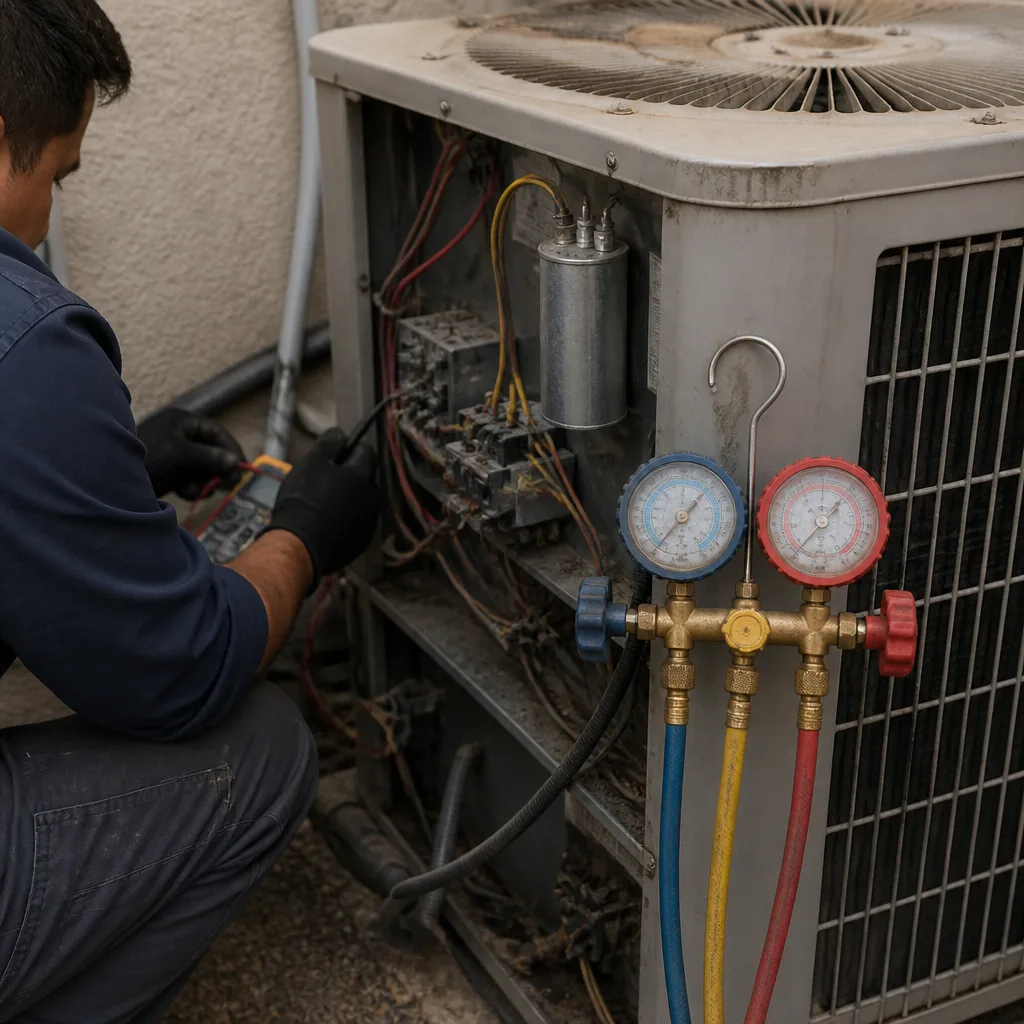
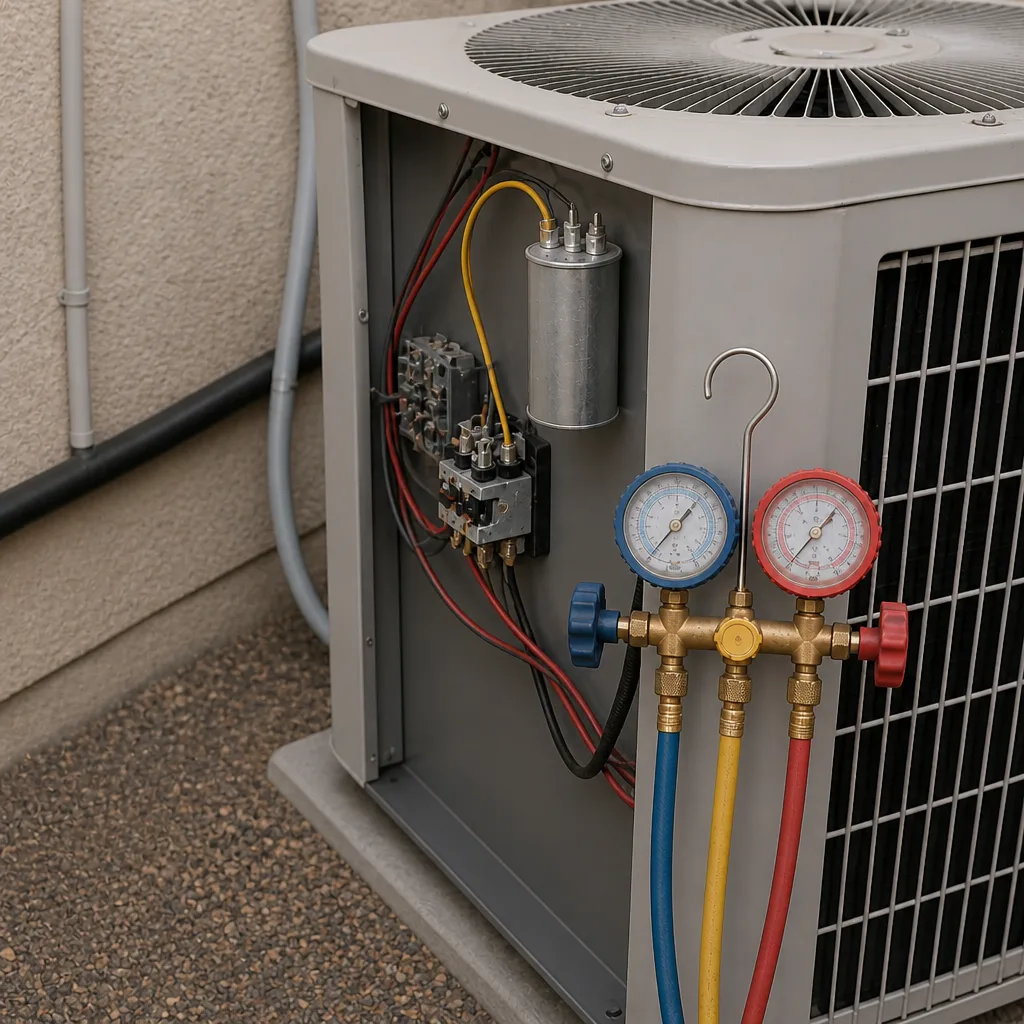
- Capacitor replacement: A capacitor stores a lethal charge for minutes or hours after power is removed. The correct procedure is to discharge it across the terminals with an insulated resistor, and to match the microfarad rating and the voltage rating exactly. Install one with the wrong rating and the compressor motor draws too much current on startup; the motor fails and the capacitor looks fine on the outside. This is the single most common misstep we see.
- Contactor cleaning: The contactor is the relay that switches power to the compressor and fan. Pitting on the contact points looks like something a quick swipe with emery cloth would fix. It isn’t. Pitted contacts are a symptom of a failing contactor and the pitting changes the contact surface; a cleaned contactor often fails again within a season and can weld shut, leaving the compressor running without control. Replace, don’t clean.
- Blower wheel cleaning: The indoor blower collects dust and, in older Sunrise Manor homes, sometimes tobacco residue. Cleaning it properly means removing the entire blower assembly, and that means disconnecting low-voltage wiring, sometimes disconnecting the motor mounts, and rebalancing the wheel. Unbalanced wheels vibrate, vibrate damages bearings, and bearings on a direct-drive blower often aren’t serviceable.
None of these are impossible. But the margin between saving a service call and buying a compressor or blower motor is narrow, and most homeowners learn which side they’re on after the fact.
Hard stops: where DIY costs more than it saves
There’s a category of work where the risk isn’t equipment damage – it’s injury or a code violation. If you’re already considering any of the following, put the tools back down and call us. We’re not being dramatic; these carry real hazards that no amount of YouTube familiarity replaces.
Refrigerant addition
Adding refrigerant without EPA 608 certification is illegal. Beyond that, a system that’s low on charge is a system with a leak, and topping it off without finding and repairing the leak just delays the same visit a few months down the road. Overcharging causes liquid refrigerant to reach the compressor and shortens its life. Any decent technician checks superheat and subcooling, not just pressure, before adding anything.
Duct sealing in a Sunrise Manor attic
Attic temperatures in Sunrise Manor routinely push past 140°F during summer afternoons. Sealing ducts up there means a long, hot, sometimes cramped crawl with limited airflow. Heat illness happens in these attics every year. This is one where even experienced installers work in pairs and take breaks. Duct mastic and mesh tape are the correct materials, not standard duct tape, which fails in weeks under that heat load.
Gas line work
Any gas connection on a furnace – at the valve, the manifold, or the flex connector – is work for a licensed technician. A leak isn’t just a fire risk; it’s a carbon monoxide risk. Never use tape on a flare fitting, never reuse a flex connector, and never touch a gas component because a video made it look simple. This one isn’t a gray zone.
Panel and disconnect work
The electrical disconnect box outside the condenser and the breaker panel inside are both lethal. Homeowners shouldn’t be inside either. That includes pulling the fuse at the disconnect beyond the correct safe procedure for turning the unit off before cleaning the coil. If a breaker is tripping repeatedly, that’s a diagnostic question, not a do-it-yourself repair.
How to gather diagnostic data before you call us
The best way to shorten a service call, and to make sure you’re describing the problem accurately, is to gather a little data first. You don’t need to fix anything. You just need to note what you observe so the technician starts on the right track. This is the practical middle path between DIY and a blind service call.
- Write down the model and serial number. Both are on a plate on the outdoor condenser and on the indoor air handler. The serial gives the technician the manufacture date and, on most brands, the factory and production week.
- Check the filter and note its condition. “Changed two weeks ago” versus “haven’t looked in months” changes the diagnosis before the tech arrives.
- Note the thermostat behavior. Does it click? Does the fan run without the compressor? Does the display go dark? Each symptom points somewhere specific.
- Listen to the outdoor unit. A click without the fan starting is a capacitor or contactor. A hum that doesn’t turn into a running motor is the same. A chattering sound is usually the contactor. Normal running is a steady hum with the fan steady.
- Use a multimeter only at the thermostat terminals to confirm 24V control voltage is present. Do not probe the disconnect or the capacitor without training. Knowing whether 24 volts is arriving at the thermostat is useful information; knowing what the capacitor is reading is not, because you shouldn’t be in there.
- Look at the drain pan and the exterior drain termination. Water present where it shouldn’t be, or no water at all during a cooling cycle, both matter.
Gauge readings on refrigerant, and full electrical diagnostics at the compressor, require certification and the right tools. Skip those. The data above is enough to turn a vague “it’s not cooling” call into a targeted one, and on a hot day in Sunrise Manor, that targeting matters.
Repair or replace? How to read the signals
This is the single biggest decision behind most HVAC service calls, and the honest answer depends on three things: the age of the system, the nature of the failure, and what you’d spend keeping it running. A capacitor swap on a fifteen-year-old system that’s otherwise healthy might keep it going another three years. The same system needing a compressor is a different conversation.
We handle both sides of this in-house, so the recommendation isn’t a handoff to another contractor who only installs. Our technicians have up to 10 years of experience, and the honest assessment we give is the same one we’d want for our own homes. The rule of thumb we use:
- Repair makes sense when the failure is a serviceable part (capacitor, contactor, blower motor, drain issue) and the rest of the system is sound.
- Replace makes sense when the compressor or heat exchanger fails on an older system, or when the cumulative repair cost climbs toward what a new system would cost.
- Get a written second opinion if you’re unsure. We’ll tell you honestly whether furnace repair or full replacement is the better call for what you’re facing.
Our brand coverage means we’re not pushing one manufacturer. We’re certified to work on Carrier, Trane, Lennox, Goodman, Rheem, York, Daikin, Bryant, and American Standard, so whatever label is on your equipment, the recommendation is based on your situation, not on which dealer we happen to be. When replacement is the answer, we handle AC installation as well as furnace replacement, and you get a written fixed price before anything gets ordered. That’s the difference from a single-brand dealer – one call covers the whole lifecycle.
Why Sunrise Manor summers change the math
Three factors make the DIY-versus-professional calculation different here than in a coastal or northern climate.
First, the cooling season is long and relentless. A system that works “well enough” in the spring in another part of the country becomes the entire reason your house is livable by May. Cutting corners on a capacitor or shorting the maintenance cycle tends to show up fast, and often in the worst heat of the year when the schedule is already full.
Second, the dust load is heavier than most DIY guides account for. Filters clog faster here than the packaging recommends, outdoor coils collect more dust, and the condensate drain from an indoor unit moves a lot of water. All of which means the four DIY green lights above aren’t optional – they’re the baseline for keeping your system alive.
Third, our housing stock is mixed. Sunrise Manor has homes built across several decades with different wiring standards, different equipment brands, and different duct layouts. Before any DIY task more involved than a filter change, it pays to know what you’re actually working on. If you don’t know the age or the brand, that’s the clue to have a technician look before you start.
Heating gets the same attention here, even though the need is seasonal. Winters get cool enough that a furnace failure isn’t a “deal with it in spring” problem – it’s a “deal with it this week” problem. That’s why our brand coverage includes furnace work as well as cooling. When you live in Sunrise Manor, a system that fails in January isn’t any more forgiving than one that fails in July.
Common Mistakes to Avoid
- Using the wrong filter rating to “clean the air better.” A high-MERV filter on a system that wasn’t sized for it restricts airflow and can cause the evaporator coil to ice over during cooling season. Match the rating to what your air handler can move, not to what the filter aisle says is best.
- Bypassing the float safety switch on the drain pan. It’s there for a reason. A penny taped to the switch “to see if the AC comes back on” is how a ceiling stain forms a few weeks later. Find the clog instead.
- Topping off refrigerant instead of finding the leak. A low-charge system has a leak. Topping it off is a temporary fix that delays the same visit and risks overcharging, which can damage the compressor. Find the leak or make peace with topping off repeatedly – the second option isn’t cheaper.
- Cleaning the condenser coil with a pressure washer or a stiff brush. The fins bend. Bent fins reduce airflow and don’t come back. Use a hose on a gentle spray, inside out, with the disconnect pulled.
- Taping ducts in a Sunrise Manor attic with standard duct tape. The heat load at 140°F+ causes the adhesive to fail within weeks. Duct mastic and mesh tape are the correct materials, applied by someone who can spend a few hours in that space safely.
- Replacing capacitors without discharging and matching microfarad ratings exactly. The wrong rating strains the compressor motor on every startup. The motor dies and the capacitor looks fine from the outside, so the next failure gets blamed on the motor.
- Assuming a thermostat swap is always a swap. Heat pumps, dual-fuel systems, and line-voltage thermostats need a technician. A 24-volt conventional system is a photo-and-swap; anything else needs a look.
See the difference
 Before
 After
 Before
 After
 Before
 After
When to Call a Professional
Call a technician when any of the following is true: refrigerant is involved, a gas connection is in scope, the breaker panel or disconnect is in scope, the failure is a compressor or blower motor, the system is heat pump or dual-fuel, or you simply don’t know the age or the brand of the equipment. Also call when a simple filter change and thermostat check doesn’t restore cooling within a few hours – a system down during a Sunrise Manor summer is a health question, not just a comfort one. We handle all of that, on every brand we’re certified to work on. AC Repair Sunrise Manor offers free estimates in Sunrise Manor – call (855) 356-3116. We answer 24/7, with fast dispatch from 7am to 7pm, Sunday through Friday.
Frequently Asked Questions
No. Adding or handling refrigerant requires EPA Section 608 certification under federal rules, and that applies to homeowners too. A system that’s low on charge has a leak that a certified technician needs to find and repair before adding anything. Call (855) 356-3116 for an exact quote on the diagnostic work – estimates are free.
We don’t publish a fixed repair price because the cost is set per job by the written estimate, but a DIY miswire on a capacitor or contactor can turn a simple part swap into a compressor replacement, which is far more than the original repair would have been. The savings only exist if the DIY job is done correctly the first time. Call (855) 356-3116 and we’ll give you a written estimate before any work starts.
Yes, with the unit’s power pulled at the disconnect and the spray kept gentle. Use a garden hose from the inside of the coil outward – never a pressure washer, and never a stiff brush, since the fins bend easily. If you can’t safely reach the disconnect or you’re unsure what you’re looking at, have a technician handle it instead.
On a 24-volt conventional system, yes, if you photograph the terminal labels first, turn off the air handler, and match the new unit’s wiring exactly. Heat pumps, dual-fuel systems, and line-voltage thermostats should go to a technician. When in doubt, call (855) 356-3116 for an exact quote – estimates are free.
Start with the filter, the thermostat, and the drain. If those are all fine and the system still isn’t cooling within a few hours, that’s a professional call. The three basics resolve most “not cooling” complaints, and a technician can address the rest. Call (855) 356-3116 and we’ll get a free estimate on the actual repair.
It can. Most manufacturers require repairs to be done by a licensed technician to keep the equipment warranty valid, and a miswire or a wrong-rating part is one of the first things an inspector checks when a claim is submitted. If warranty coverage matters to you, leave the electrical and refrigerant work to a certified professional. Call (855) 356-3116 for a free estimate on the repair.
The Bottom Line
Sunrise Manor homeowners can safely handle four things on their HVAC system: air filter changes, condensate drain clearing, 24-volt thermostat swaps, and a careful outdoor coil rinse with the disconnect pulled. Everything else – refrigerant, gas lines, the electrical panel and disconnect, compressor and blower work – belongs to a licensed technician, and the reasoning is the same for all of it: the potential cost of a mistake outweighs the savings of the call. Use the diagnostic steps above to gather data before you call, so the technician starts on the right track. When the decision tips to professional, we’re here. AC Repair Sunrise Manor is certified on nine leading brands, handles repair and replacement in-house for both AC and furnaces, and gives you a written estimate before anything is ordered.
Ready to Get a Straight Answer?
If you’ve read this far and you’re still not sure whether the job in front of you is a green light or a hard stop, that’s the right moment to call. We’ll tell you honestly whether repair or replacement makes more sense for your system, whether the brand is Trane, Lennox, Goodman, or anything else on our list, and what the work will actually cost before anything starts. Call (855) 356-3116 for a free estimate. We answer 24/7, with fast dispatch from 7am to 7pm, Sunday through Friday, closed Saturday.
Written by the team at AC Repair Sunrise Manor.