
Last updated November 15, 2026
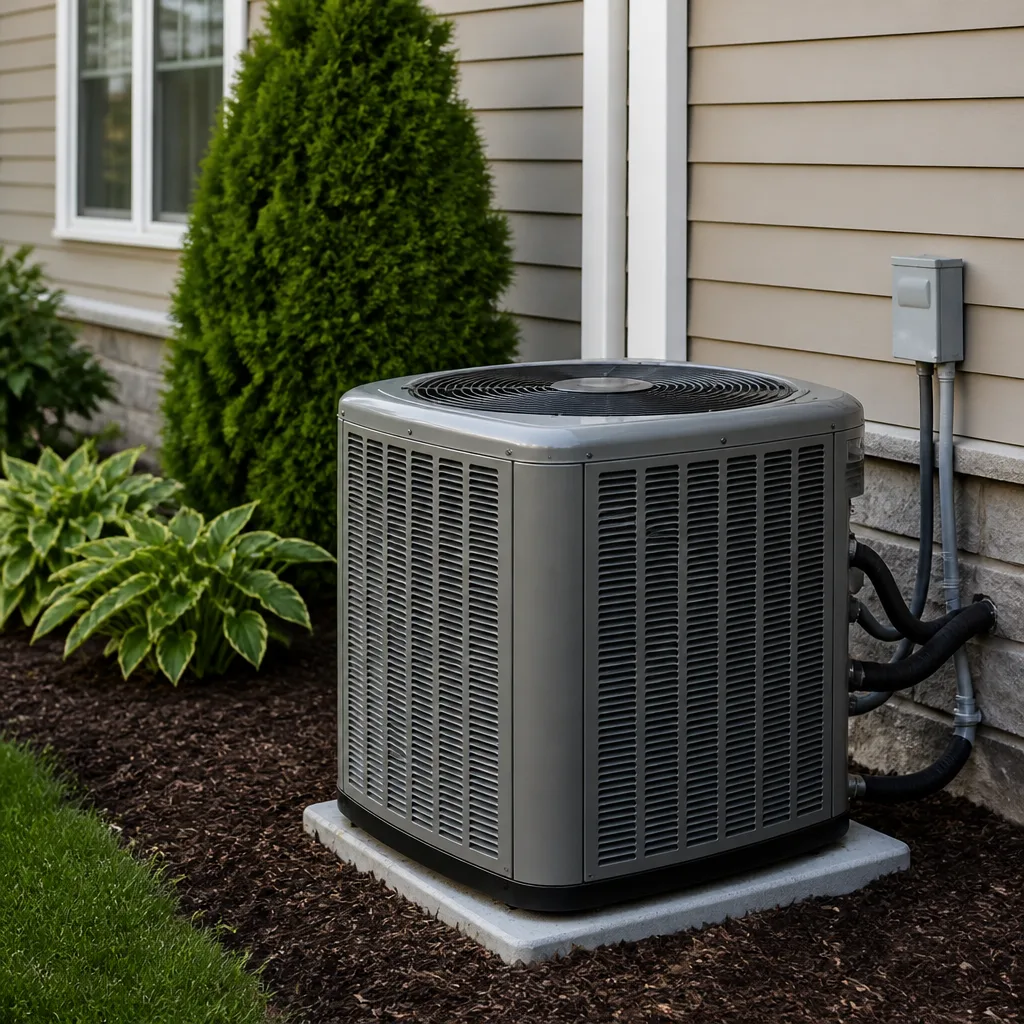 AC repair
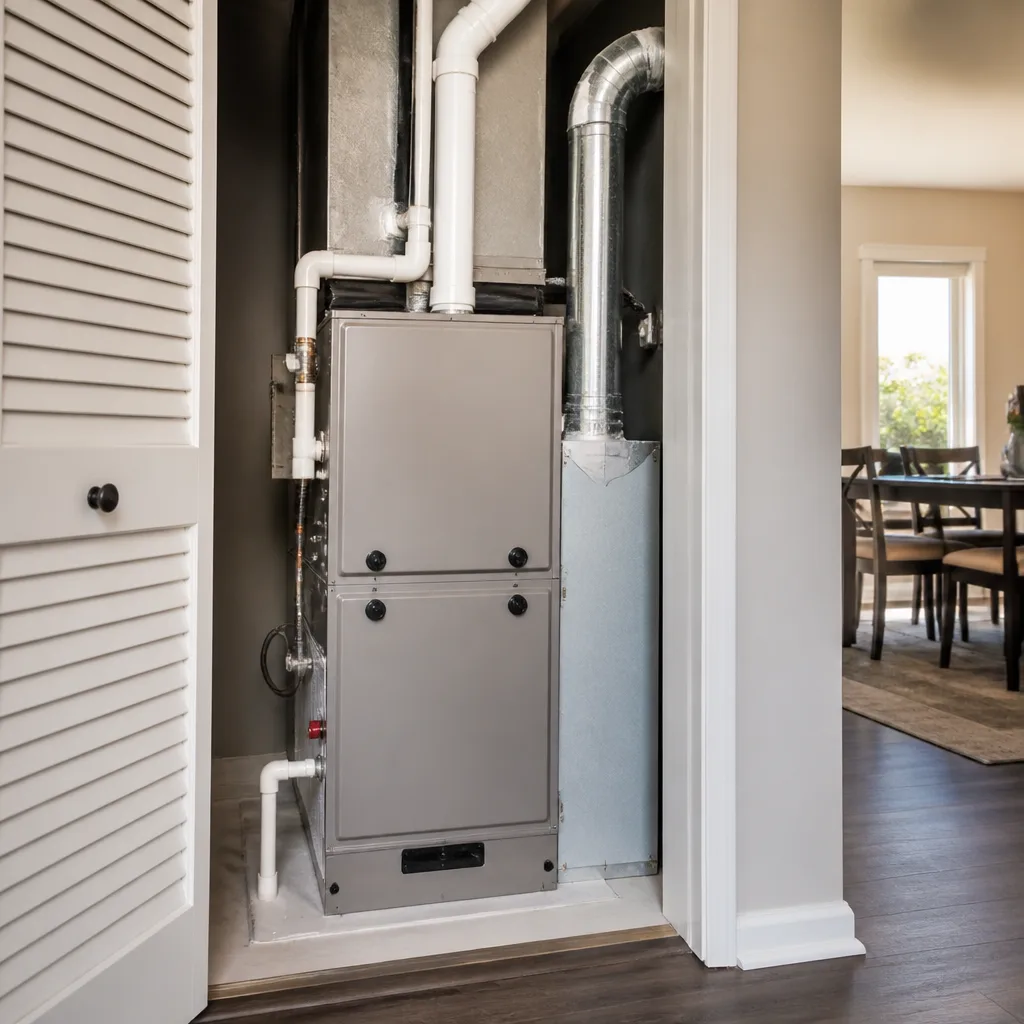 Furnace & heating
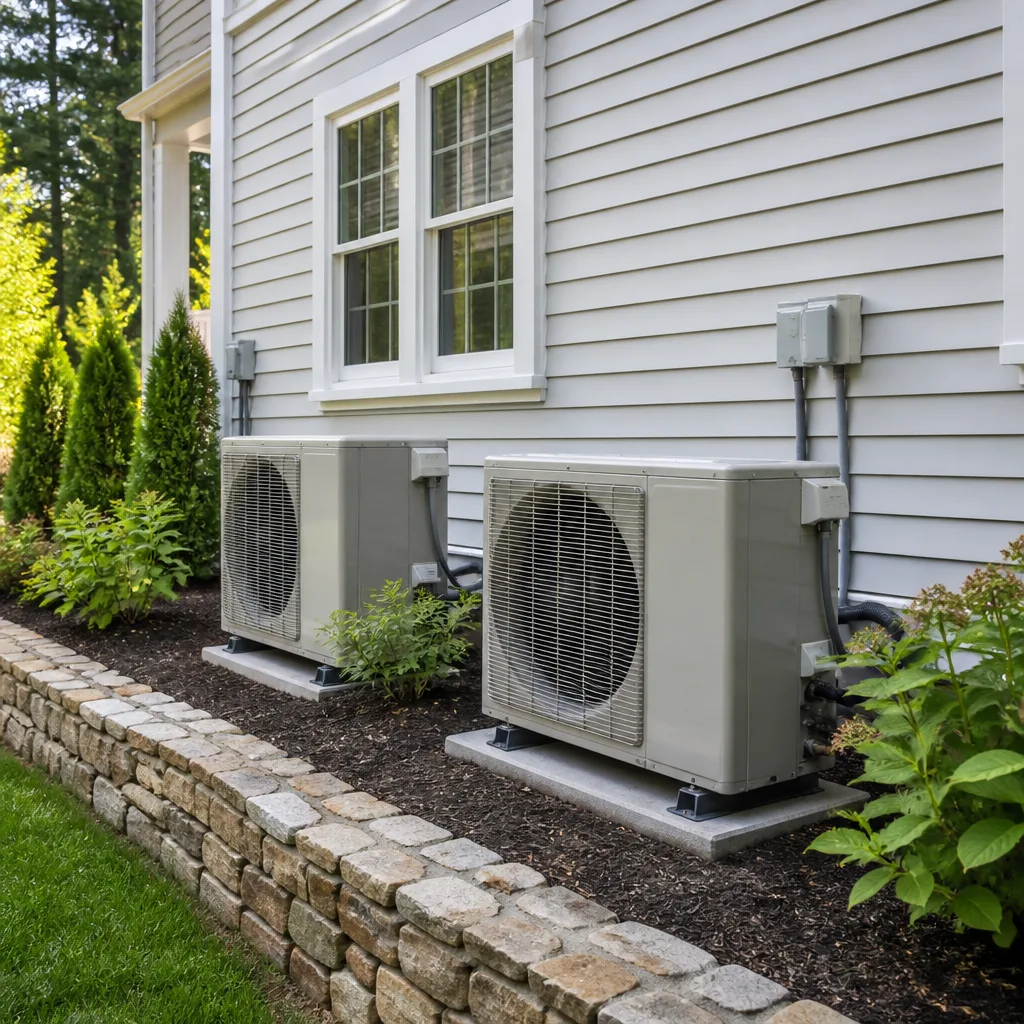 Heat pumps
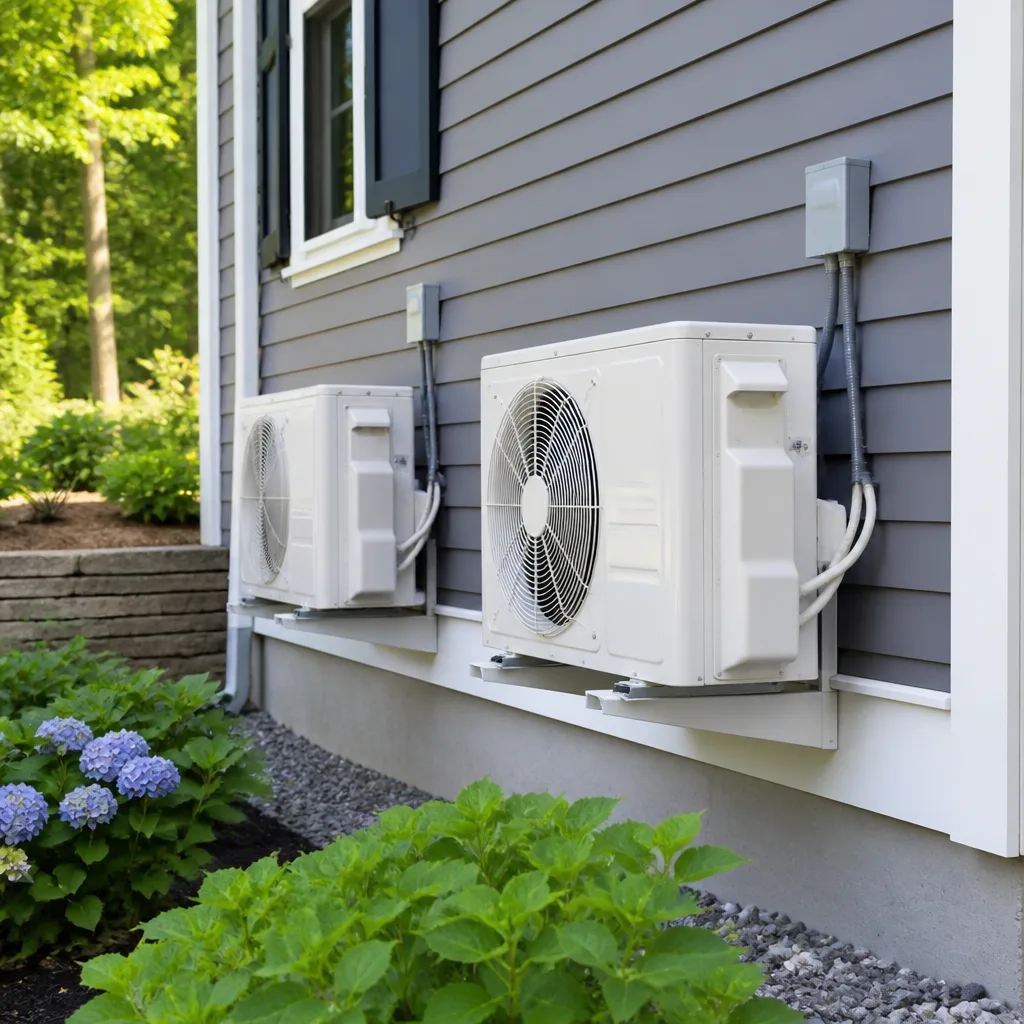 Ductless mini splits
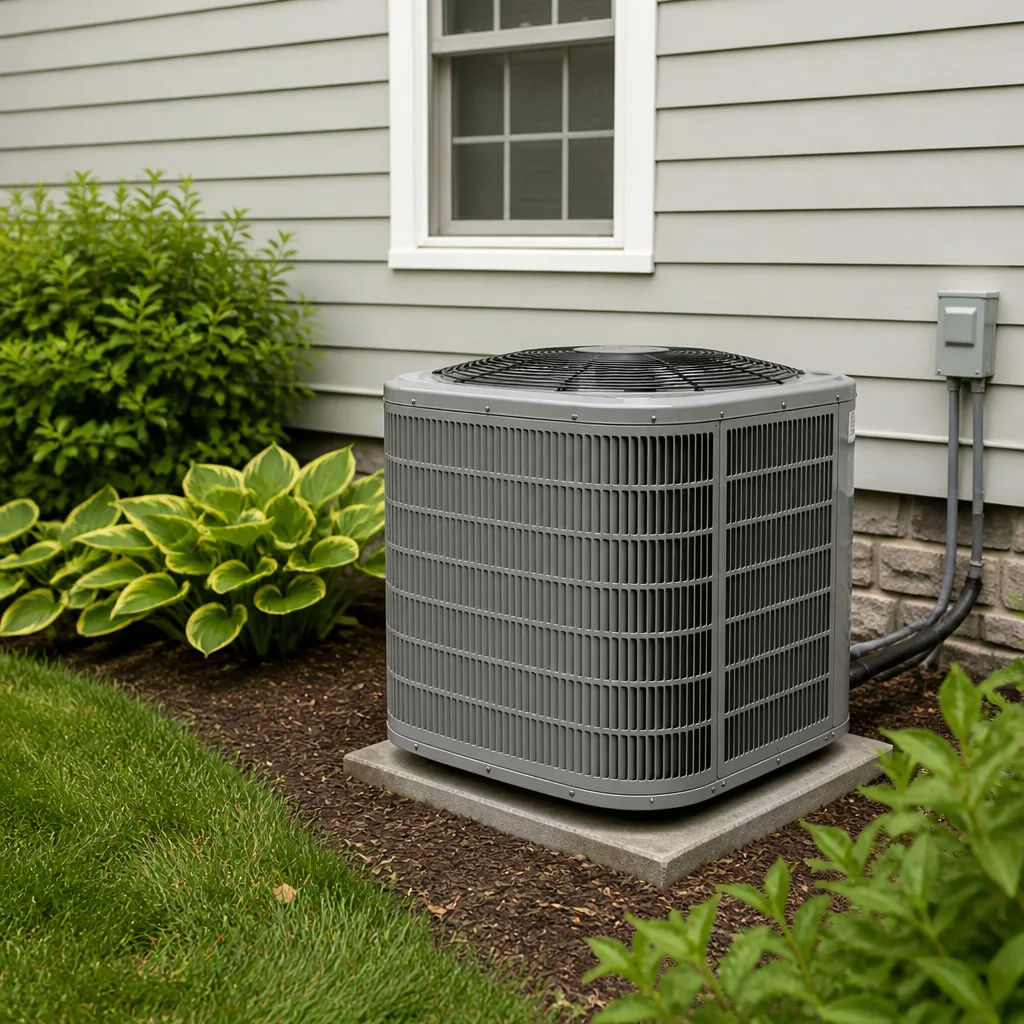 Carrier
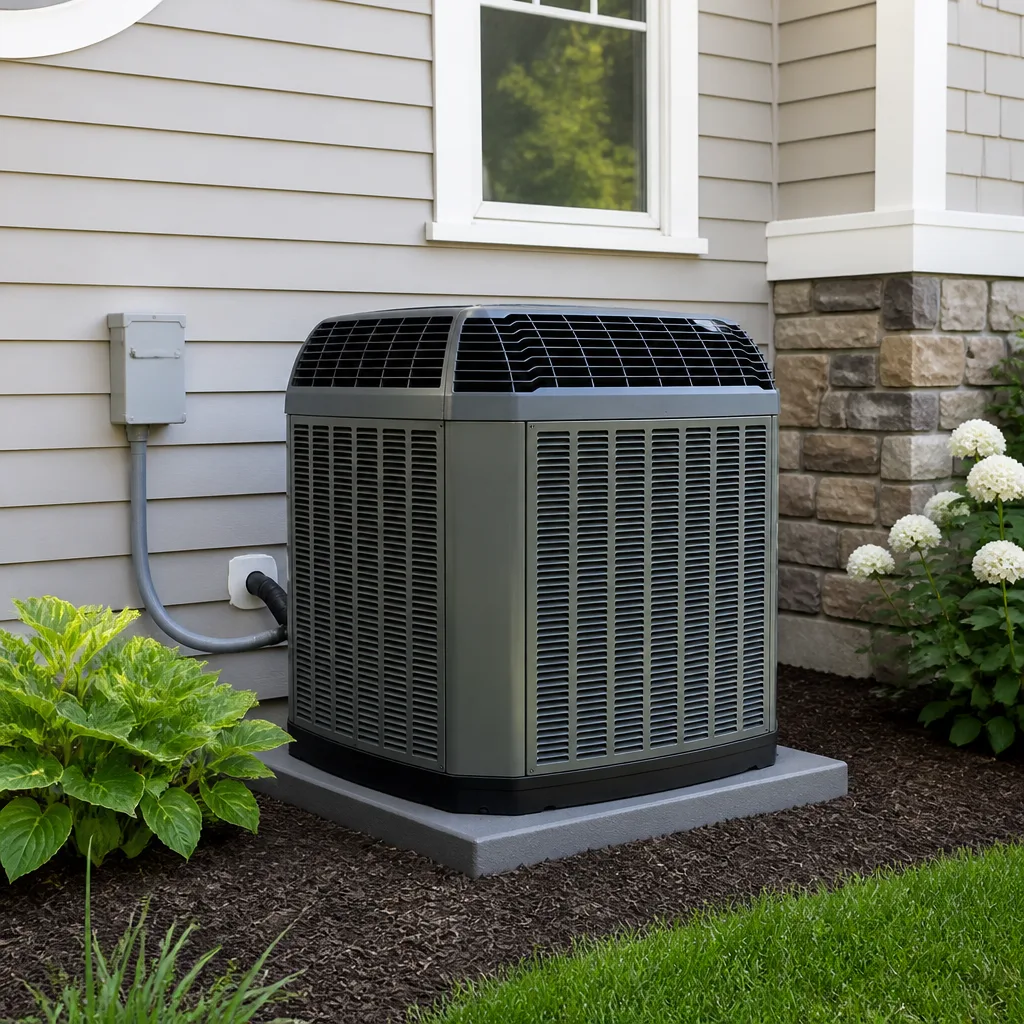 Trane
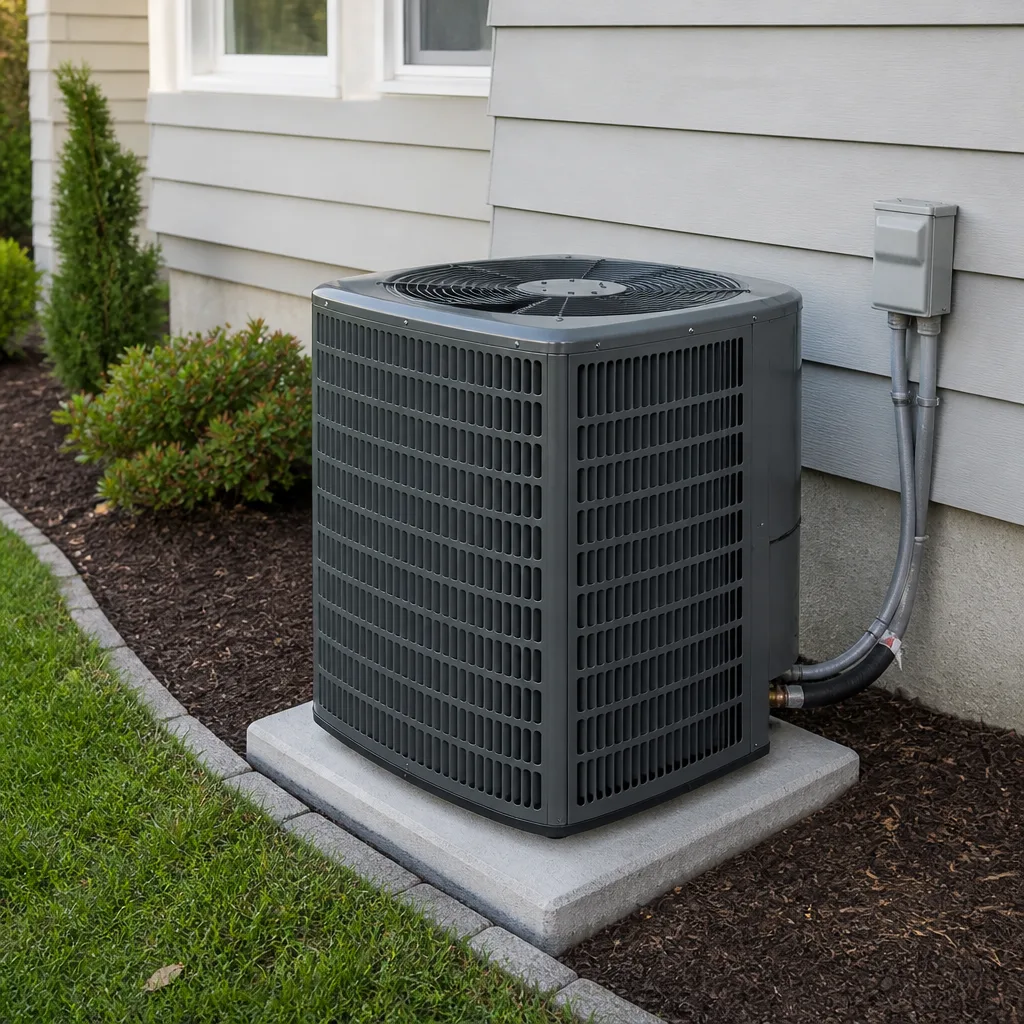 Goodman
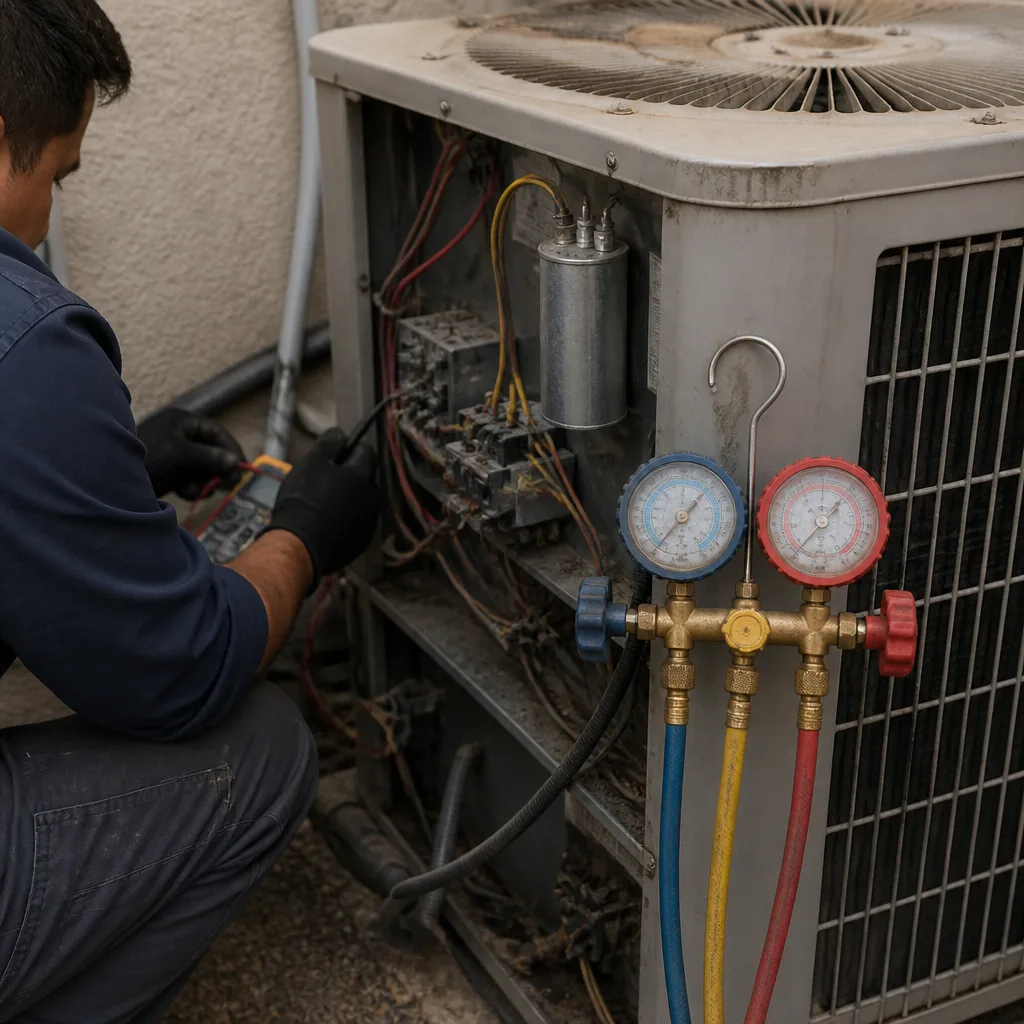
Seasonal tune-up and full diagnostic on your Carrier, Trane, or Goodman system - readings shown to you before any repair is proposed
Diagnosis first, numbers second - you approve the repair price before a single part goes in.
Get your free estimateHow to Hire an HVAC Contractor in Sunrise Manor: A Step-by-Step Guide
A contractor with a 4.8-star rating who primarily installs Trane units may be the wrong person to repair your 2009 Rheem two-stage system. There’s no star rating that tells you that. Online reviews measure how a company handles the jobs it wants, not whether its technicians have ever opened the equipment sitting in your closet. Sunrise Manor homeowners tend to vet contractors on price and stars, then discover the gap when the technician arrives and starts guessing at a system they don’t know. This guide reframes the whole process around one question: can this contractor prove hands-on experience with the specific equipment you already own? By the end you’ll know how to verify a Nevada license, what to ask on the phone, and how to read an estimate line by line.
Quick Answer
To hire an HVAC contractor in Sunrise Manor, verify an active Nevada State Contractors Board license with the right classification for refrigeration and air conditioning, confirm the company has worked on your specific system model rather than only the brand it sells, and get a written itemized estimate before any work starts. Ask for the model and serial number of your equipment to be recorded on the estimate. A contractor who can’t discuss your model’s actual components is selling installation, not repair.
Styles & brands we work with
- AC repair
- Furnace & heating
- Heat pumps
- Ductless mini splits
- Carrier
- Trane
- Goodman
Table of Contents
- Why Your System Model Matters More Than the Company’s Rating
- How to Verify an HVAC Contractor’s License in Nevada
- Five Questions That Reveal Real System Knowledge
- Why “Get Three Bids” Fails in Sunrise Manor
- Red Flags Specific to the Las Vegas Valley Market
- How to Read a Written HVAC Estimate
- Repair or Replace: How to Judge the Call
- What Sunrise Manor’s Climate Does to Your Equipment
Why Your System Model Matters More Than the Company’s Rating
Every HVAC system has a brand name on the front and a model number on the data plate. Those are different things, and the difference is where hiring mistakes happen. A brand tells you who built the cabinet. A model tells you the refrigerant type, the compressor staging, the control board generation, and whether the parts are still in production. Two systems with the same logo on them can have almost nothing in common inside.
In Sunrise Manor, that matters because the housing stock here spans several decades of construction. A home built in the 1990s and a home built in the 2010s are running equipment from completely different design eras. A 2009 Rheem two-stage system needs a technician who understands its specific control sequence. A newer Daikin inverter system needs someone fluent in communicating controls and variable-speed diagnostics. Those are not interchangeable skill sets.
Here’s the practical implication: when you vet a contractor, you’re not asking “do you work on Rheem?” You’re asking “have you worked on this model, and what usually fails on it?” A technician with genuine system-specific experience answers that in one sentence. Someone who’s only installed the brand will pivot to talking about a new installation.
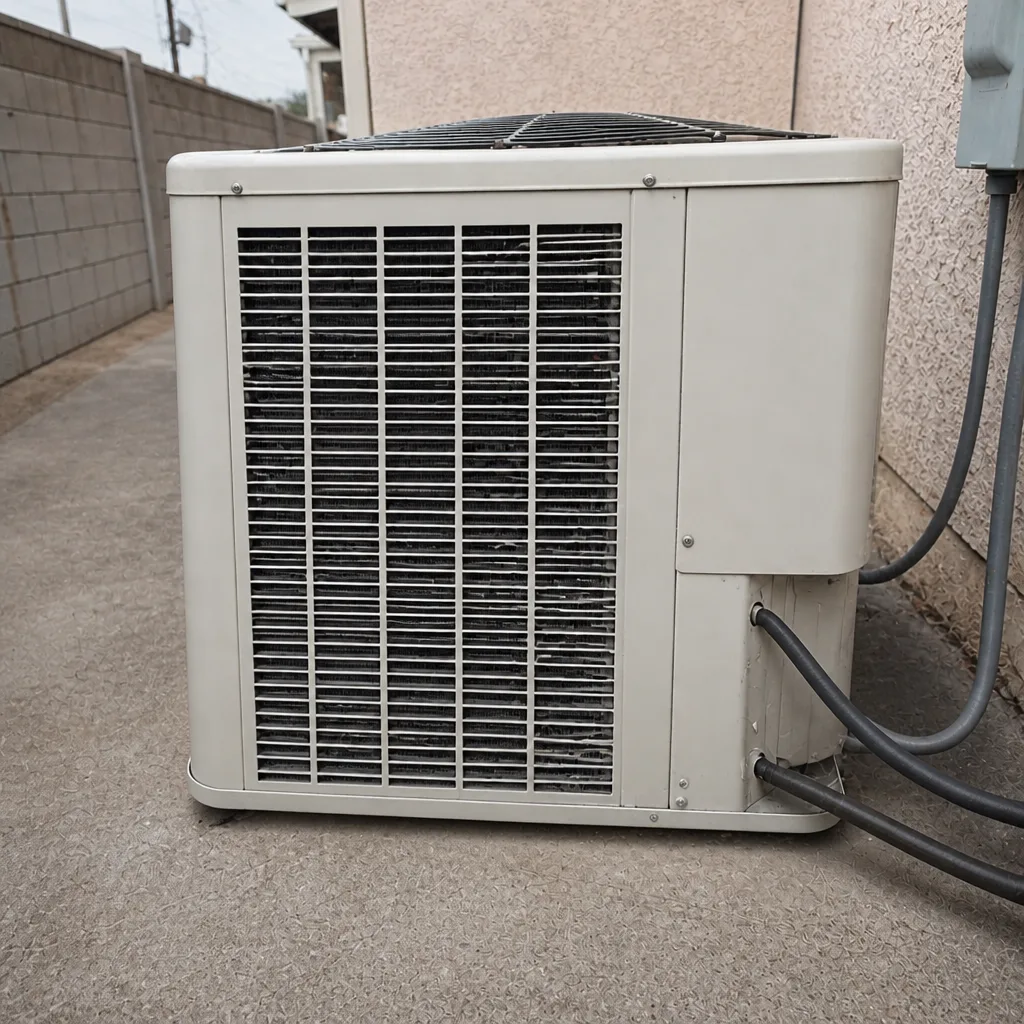
Find your data plate before you make any calls. It’s usually on the outdoor condenser cabinet and on the indoor air handler or furnace. Photograph both. Write down brand, model number, and serial number. That single photo will filter out more mismatched contractors than any review site.
If you can’t locate the plate or can’t read it, that’s fine. Any experienced technician can identify the equipment on arrival. The point is that you should have the conversation about your equipment before anyone is dispatched, not after. If you want a fast read on what’s in your home, the team at AC Repair Sunrise Manor will identify equipment over the phone from your model numbers.
How to Verify an HVAC Contractor’s License in Nevada
Nevada requires contractors to hold a license through the Nevada State Contractors Board, and the license is tied to a specific classification. For HVAC work, that’s the Class C-21 refrigeration and air conditioning classification. Verifying it takes about five minutes and it’s the single most important step in this entire guide.
- Go to the Nevada State Contractors Board license search. The board maintains a public lookup tool. Search by company name or license number.
- Confirm the license status reads active. A license can be expired, suspended, revoked, or voluntarily surrendered. All of those look different from active.
- Check the classification. Class C-21 covers refrigeration and air conditioning work. If the license lists a different classification only, ask what that classification actually permits before you hire.
- Look at the monetary limit. Nevada licenses carry a monetary limit per contract. If your replacement project exceeds that limit, the contractor can’t legally contract for it.
- Read the complaint history. The board publishes disciplinary actions. A single old complaint is not disqualifying. A pattern of complaints about the same issue is.
What Class C-21 does not cover matters just as much. It doesn’t automatically authorize gas line work beyond the appliance connection, and it doesn’t cover structural modifications or electrical panel work. If your job requires a gas line extension or a panel upgrade, those are separate licenses or separate trades. A contractor who tells you their C-21 covers everything is either misinformed or hoping you won’t check.
Ask every contractor you talk to for their license number before the conversation goes any further. Legitimate contractors give it without hesitation. If someone deflects, offers to “send it later,” or says the number isn’t necessary for a small repair, that’s your answer. For context on how this plays out locally, our guide to Sunrise Manor covers the neighborhood layout and what service here typically involves.
Five Questions That Reveal Real System Knowledge
These questions are designed to separate technicians who know your equipment from technicians who know their sales catalog. Ask them on the phone, before a dispatch is scheduled. The answers should be specific and quick.
- “What refrigerant does my system use, and can you still get it?” Older equipment may use a refrigerant that’s been phased down or phased out. A knowledgeable contractor knows which refrigerants are still available, what the current pricing landscape looks like, and whether a retrofit is even viable. A vague answer about “we’ll figure it out” tells you plenty.
- “What’s the most common failure point on this model?” Every model family has known weak spots: a control board that fails in heat, a capacitor that goes early, a condensate design that clogs. Anyone who has actually worked on your model will name one immediately.
- “Do you stock or source parts for this model, and what’s the typical lead time?” Sunrise Manor sits in a market where parts availability varies by brand. Some models have parts on a shelf in the valley. Others take days. You want a contractor who can tell you which category yours falls into.
- “Will you record the model and serial number on the estimate?” This is a small ask with a big signal. Contractors who work system by system write those numbers down. Contractors who work brand by brand don’t bother.
- “If repair isn’t the right call, who does the replacement?” Listen carefully. If the answer is “we hand it off to a partner,” you’ve learned that this company doesn’t handle the full lifecycle. That’s not automatically disqualifying, but you should know it going in.
One more that’s worth asking but doesn’t fit in the numbered list: “What’s the age of my equipment based on the serial number?” Serial number formats vary by manufacturer, and the date of manufacture is often encoded in the serial. A technician who can decode yours on the spot has done this many times.
Ask these five questions of every contractor before you schedule anyone. The answers will sort your list faster than any review site. If you’re weighing repair against a new system, our page on furnace repair walks through how that judgment call usually goes for heating equipment.
Why “Get Three Bids” Fails in Sunrise Manor
The standard advice is to collect three bids and pick the middle one. That advice assumes all three contractors are bidding on the same work with the same competency. In the HVAC market, that assumption breaks down fast.
A significant share of HVAC companies in the Las Vegas valley are single-brand dealers. They sell one manufacturer’s equipment and their technicians are trained on that line. When you call them for a repair on a different brand, they’ll often do one of two things: decline the job politely, or bid it as a replacement. Neither of those gives you a real repair number to compare against.
Collect three bids, and you may end up with three replacement quotes and no repair option at all. That’s not a competitive process. That’s three sales presentations with different fonts.
What to do instead:
- Screen for multi-brand capability first, then collect bids. Ask upfront which brands the company services, not which brands it installs. Companies certified across multiple manufacturers, like Carrier, Trane, Lennox, Goodman, Rheem, York, Daikin, Bryant, and American Standard, are set up to repair what’s already in your home.
- Get a repair diagnosis before any replacement quote. A diagnostic visit that ends with a written repair estimate tells you what’s actually wrong. A visit that ends with a replacement quote tells you what the company prefers to sell.
- Ask each contractor whether they can do both. If a company can’t perform the replacement themselves, they shouldn’t be quoting it. And if they can’t perform the repair, they shouldn’t be the one diagnosing it.
- Compare line items, not totals. A $900 repair quote and a $1,400 repair quote may be for different repairs. The total tells you nothing until you see components.
Two bids from contractors who genuinely understand your system and can do both repair and replacement beat three bids from contractors with a single-brand catalog. The number of bids isn’t the point. The comparability of the bids is. Our AC installation page lays out what a legitimate installation scope looks like so you have something to compare against.
Red Flags Specific to the Las Vegas Valley Market
The valley has a few market quirks that produce red flags you won’t necessarily catch in other parts of the country. Knowing them ahead of time will save you a bad experience.
Season-chasing out-of-state crews
Cooling season here runs long and hot, and heating season brings a short but sharp cold stretch. That pattern draws crews in from outside the state to work the peak months. Some of these are legitimate operations with local licensing. Many are not. The test is simple: verify the Nevada license, and verify it lists a local business address. A contractor who can’t produce an active Nevada license with the right classification isn’t licensed to do the work here, regardless of where they came from or what they tell you.
“Diagnostic fee waived with repair” bait structures
This is one of the most common pricing patterns in the valley, and it’s worth understanding how it works. The diagnostic fee is not the problem in itself. The problem is what happens to the diagnosis when the fee disappears if you buy a repair. When a technician’s visit only pays for itself if you buy something, the pressure to find something to sell goes up. Ask instead whether the estimate is free and the price is set by a written estimate. That’s a cleaner structure and it removes the incentive altogether.
Vague refrigerant pricing
Refrigerant is a real, variable cost. Older refrigerants that are being phased down can be expensive, and pricing fluctuates. A legitimate estimate lists the refrigerant charge as a line item with a quantity and a per-unit rate, or states clearly that the charge is included in the job price. A vague “refrigerant extra if needed” tells you nothing and can turn a reasonable quote into a surprise. Ask what refrigerant your system uses and what the typical charge for a recharge is on your system size.
A few more to watch
- Pressure to sign a maintenance agreement before any diagnosis has happened.
- Repair or replacement quotes that don’t list the model and serial number of the existing equipment.
- Flat-rate pricing quoted before the technician has physically inspected the equipment.
- A company that won’t put a scope of work in writing when asked.
How to Read a Written HVAC Estimate
An estimate is a document you should be able to read cold, without a technician translating it. If you can’t tell what’s being done, who’s doing it, and what it costs, the estimate isn’t finished. Here’s the anatomy of a good one.
A repair estimate should itemize:
- The diagnosis, stated in plain terms. “Failed run capacitor” is a diagnosis. “System issue” is not.
- Each part being replaced, listed separately with its cost.
- Labor, as a stated amount or a clearly described flat rate for the job.
- Refrigerant, if the job requires it, with quantity and rate.
- The model and serial number of the equipment being worked on.
- What’s included in the price and what isn’t, spelled out.
A replacement estimate should itemize the equipment by brand and model, the removal and disposal of the old unit, refrigerant lines if they’re being replaced, electrical connections, the thermostat if it’s changing, and any permit or inspection line. “Included” should never cover items you can’t see listed. If a quote says “complete system replacement, all inclusive,” ask for the itemized version. The scope is exactly what the itemized version describes.
When flat-rate is actually the safer option
There’s a real argument for flat-rate pricing on repairs, and it’s this: with time-and-materials, the bill grows if the job takes longer. A technician working on time and materials has no incentive to be wrong, but a flat-rate price is a known cost before the work starts. For a repair with an uncertain diagnosis, a flat rate that covers the whole fix protects you from a bill that climbs when the second part fails too. Ask for both a flat-rate number and a time-and-materials ceiling, and decide which structure gives you more certainty.
Whatever the structure, the written estimate sets the final price. That line matters. If the estimate says one thing and the invoice says another, the estimate is what you agreed to. Get it in writing before anyone starts work.
Repair or Replace: How to Judge the Call
The repair-versus-replace call is where a good contractor earns their keep and a bad one does real damage. There’s no single rule that covers every situation, but there are honest questions that point the way.
Ask these before deciding:
- What’s the age of the equipment? HVAC equipment has a service life, and it varies by type and by how hard the local climate works it. Equipment in Sunrise Manor sees a long, hot cooling season, so outdoor units here work hard for more months of the year than in cooler climates.
- What’s the repair versus the replacement cost? If a repair approaches a significant fraction of the replacement cost and the equipment is nearing the end of its expected life, replacement becomes the easier call. If the repair is small and the equipment has years left, repair usually wins.
- Is the repair addressing the root cause or a symptom? Fixing a failed component that’s a known wear item is a repair. Replacing the same part every summer is a sign the system has a deeper problem.
- Is the refrigerant still available? Equipment using a refrigerant that’s being phased down will get more expensive and harder to service over time. That’s a legitimate factor in the decision.
- Will the repair hold the system through the next peak season? A repair that gets you through the summer is real value. A repair that’s likely to fail again in the middle of July is a bridge to replacement anyway.
The honest answer to “should I repair or replace?” is sometimes “we won’t know until we’re inside it.” That’s fine. A contractor who can do both the repair and the replacement has no reason to push you toward the more expensive option. A company that can only do one of them has a built-in bias, whether they admit it or not. Ask the question directly: “If this were your home, what would you do?” Then listen for specifics. A good answer names the equipment, the failure, the cost, and the tradeoff.
What Sunrise Manor’s Climate Does to Your Equipment
Sunrise Manor sits in the Las Vegas valley, and the local climate shapes what HVAC work actually looks like here. The cooling season runs long, with sustained heat through the summer that keeps condensers running for many hours a day. That’s hard on compressors, capacitors, and contactors. The heating season is shorter but real, with cold snaps that push furnaces hard for a concentrated stretch.
What that means in practice:
- Cooling equipment tends to age faster here than in milder climates. Continuous operation in high heat accelerates wear on electrical components. Ask a contractor how many hours of annual runtime is normal for your system type, and what that implies for its remaining life.
- The repair-or-replace calculus tilts earlier for older equipment. A unit near the end of its expected life that’s already racking up repairs during the cooling season is a stronger replacement candidate here than it might be in a cooler market.
- Furnace issues in this market often show up suddenly. A furnace that sat unused through the cooling season can fail on the first cold night of the year, and it’s usually a component that would have been caught by an annual inspection.
- Dust is a real factor. Desert air carries particulate that loads up filters and coils faster than in humid climates. Filter change intervals here are shorter than the same equipment would need elsewhere.
None of this changes the hiring checklist. It changes what you should ask about. Ask how the local climate affects your specific equipment, and ask what the contractor usually sees fail at your system’s age. If you’re weighing furnace replacement as the cooler months approach, the honest conversation is worth having before the cold snap forces your hand. Whatever brand you’re running, our technicians have up to 10 years of experience with equipment across nine major manufacturers, and we’re happy to talk through the climate angle on your specific system.
Common Mistakes to Avoid
- Hiring on star rating alone. A great rating tells you the company handles its usual jobs well. It doesn’t tell you whether its technicians have opened your model. Two HVAC companies with identical ratings can have completely different competencies, and only one of them can actually repair what you own.
- Assuming one brand means one skill set. Just because a contractor sells a brand doesn’t mean they can repair that brand’s older models. Dealers are trained on current product lines, and a technician who installs new Bryant systems may have no working familiarity with a fifteen-year-old unit.
- Letting a sales pitch pass as a diagnosis. If the “diagnosis” arrives with a replacement quote and no repair option, you haven’t been diagnosed. You’ve been quoted. Ask what specifically failed, and ask for a repair price before you discuss replacement.
- Not asking about refrigerant pricing upfront. Refrigerant is a real cost, and it’s the line item most likely to show up as a surprise. Ask what your system uses, what the typical recharge cost is, and whether it’s included in the estimate.
- Taking the first “diagnostic fee waived with repair” offer at face value. Washington and commercial HVAC companies in Sunrise Manor and across the valley use this structure, and it’s worth understanding what it does to incentives. Ask instead for a free estimate and a price set by the written estimate, and compare like for like.
- Skipping the license verification because the company seems established. A polished website and a long list of reviews say nothing about current license status. Classifications expire, monetary limits get exceeded, and licenses get suspended. Five minutes on the Nevada State Contractors Board lookup is worth more than an hour of reading testimonials.
- Assuming the contractor covers the whole lifecycle. Some companies can only repair, some can only install, and some hand off replacement work to a partner. Ask directly whether the same company that diagnoses the problem can also do the repair and the replacement. The answer tells you who you’re really hiring.
See the difference
 Before
 After
 Before
 After
 Before
 After
When to Call a Professional
Some HVAC issues are worth a look from a homeowner. Most aren’t. Call a professional when the system isn’t cooling or heating as it should, when you hear a new noise from the outdoor unit or the furnace, when your energy use has jumped without a change in how you run the system, or when the system shuts off before reaching the temperature you set. Those are signs of a specific component failure, not a settings problem. Also call when you smell something metallic or burning near the furnace, or when ice forms on the indoor coil in cooling season. Repair work involves refrigerant handling, gas connections, and electrical components that require training, and the equipment should be worked on by someone who is licensed and insured to do it. AC Repair Sunrise Manor offers free estimates in Sunrise Manor. Call (855) 356-3116. We answer 24/7. Fast dispatch from 7am to 7pm, Sunday through Friday.
Frequently Asked Questions
Search the company on the Nevada State Contractors Board license lookup and confirm an active license with the Class C-21 refrigeration and air conditioning classification. Check the status, the classification, the monetary limit, and the complaint history. Do this before you talk pricing with anyone. The board’s lookup is free and public, and a licensed contractor will give you the license number without hesitation when you ask.
Three estimates only work if all three contractors can actually do the same work. In this market, many companies are single-brand dealers who will bid your repair as a replacement. Screen for multi-brand capability first by asking which brands the company services, not just which it installs. Then collect estimates from contractors who can quote both a repair and a replacement, and compare the line items rather than the totals. Call (855) 356-3116 for an exact quote on your system – estimates are free.
Class C-21 is Nevada’s refrigeration and air conditioning contractor classification through the Nevada State Contractors Board. It covers the installation, repair, and service of HVAC and refrigeration equipment. It does not automatically cover unrelated trades like structural work or full electrical panel replacement. If your job involves a gas line extension or a panel upgrade, ask which separate license handles that portion before you sign anything.
Model numbers identify the specific design generation, refrigerant type, and component layout of your equipment. Brand names don’t. Two systems from the same manufacturer built ten years apart can have completely different control boards, compressors, and refrigerant requirements, and a technician who’s trained on one generation may have no familiarity with the other. Give the contractor your model and serial number up front, and ask what usually fails on that model. A quick, specific answer tells you the experience is real.
A repair estimate should list the diagnosis in plain language, each part being replaced with its cost, labor as a stated amount, refrigerant as a line item if it applies, and your equipment’s model and serial number. A replacement estimate should itemize the equipment, removal and disposal, refrigerant lines, electrical work, the thermostat if it’s changing, and any permit or inspection line. If an estimate says “all inclusive” without itemizing, ask for the itemized version. The written estimate sets the final price.
The best case is one company that can do both, so you get a real repair quote and a real replacement quote from the same people. If a company can only install, they may lean toward replacing what could be repaired. If they can only repair, they may not have replacement as an option. Ask directly whether the company handles the full lifecycle. AC Repair Sunrise Manor does both, on nine major brands, so the recommendation follows your equipment and your situation rather than a manufacturer agreement. Call (855) 356-3116 for a free estimate. We answer 24/7. Fast dispatch from 7am to 7pm, Sunday through Friday.
The Bottom Line
The best HVAC contractor for your Sunrise Manor home isn’t the one with the highest rating or the lowest bid. It’s the one whose technicians can prove hands-on experience with the specific system already in your house. Verify the Nevada license and Class C-21 classification first. Ask the five system-specific questions before scheduling a dispatch. Screen for multi-brand capability before collecting bids, and read every estimate line by line. Push back on vague refrigerant pricing and diagnostic-fee structures that put the technician’s pay in the balance. And look for a company that can handle the whole lifecycle, from diagnosis through repair or replacement, so the recommendation follows your equipment rather than a sales quota. Get your model number in hand, run the checklist, and the right contractor becomes obvious.
AC Repair Sunrise Manor works on Carrier, Trane, Lennox, Goodman, Rheem, York, Daikin, Bryant, and American Standard equipment, and our technicians have up to 10 years of experience across all of them. Whether your system needs a repair or you’re ready to talk replacement, call (855) 356-3116 for a free estimate. We answer 24/7. Fast dispatch from 7am to 7pm, Sunday through Friday.
Written by the team at AC Repair Sunrise Manor.