
Last updated November 15, 2026
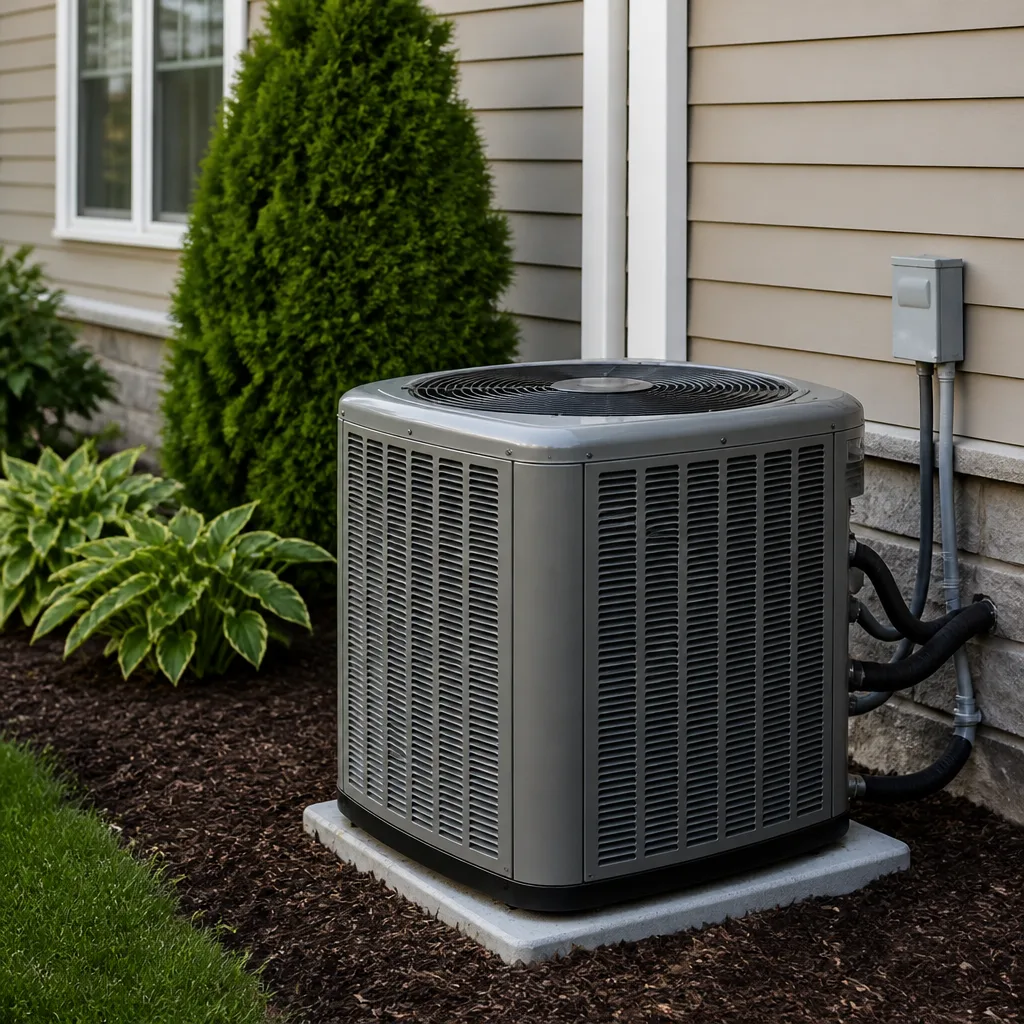 AC repair
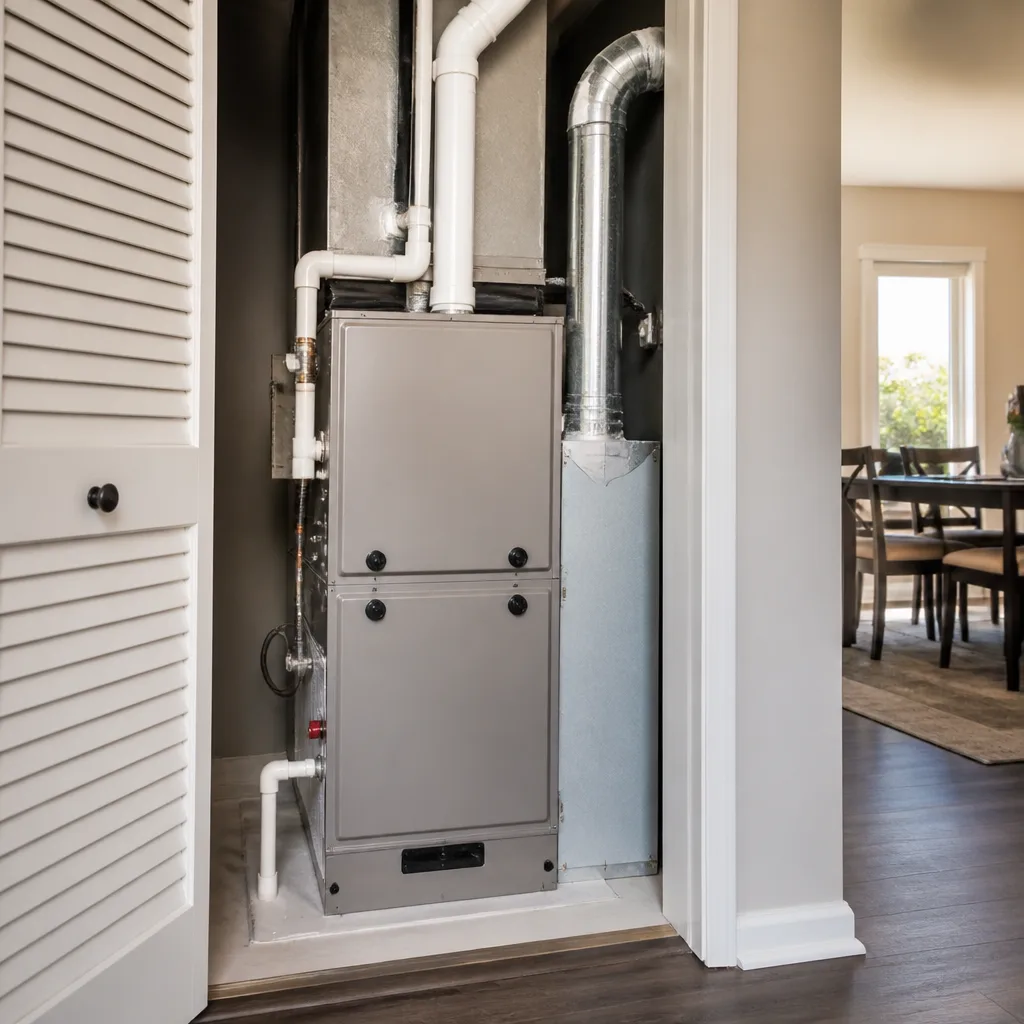 Furnace & heating
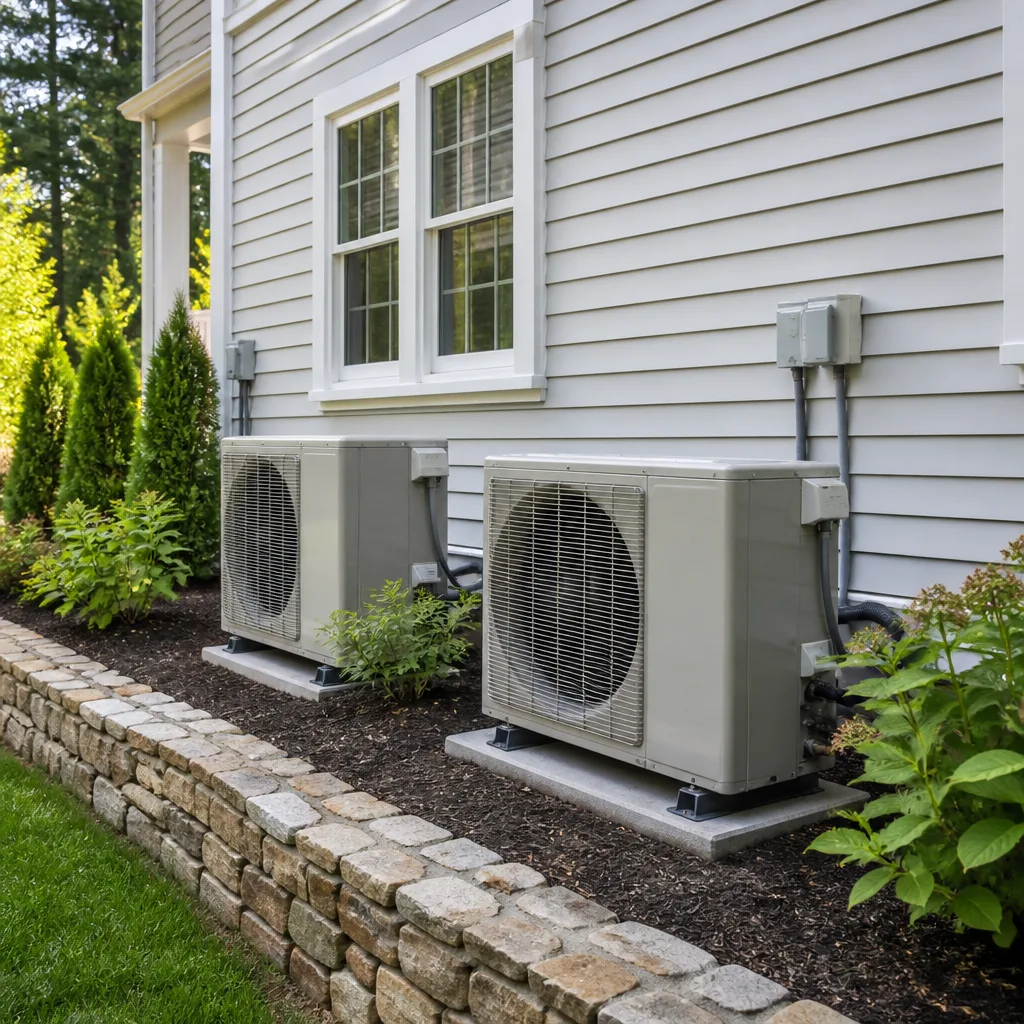 Heat pumps
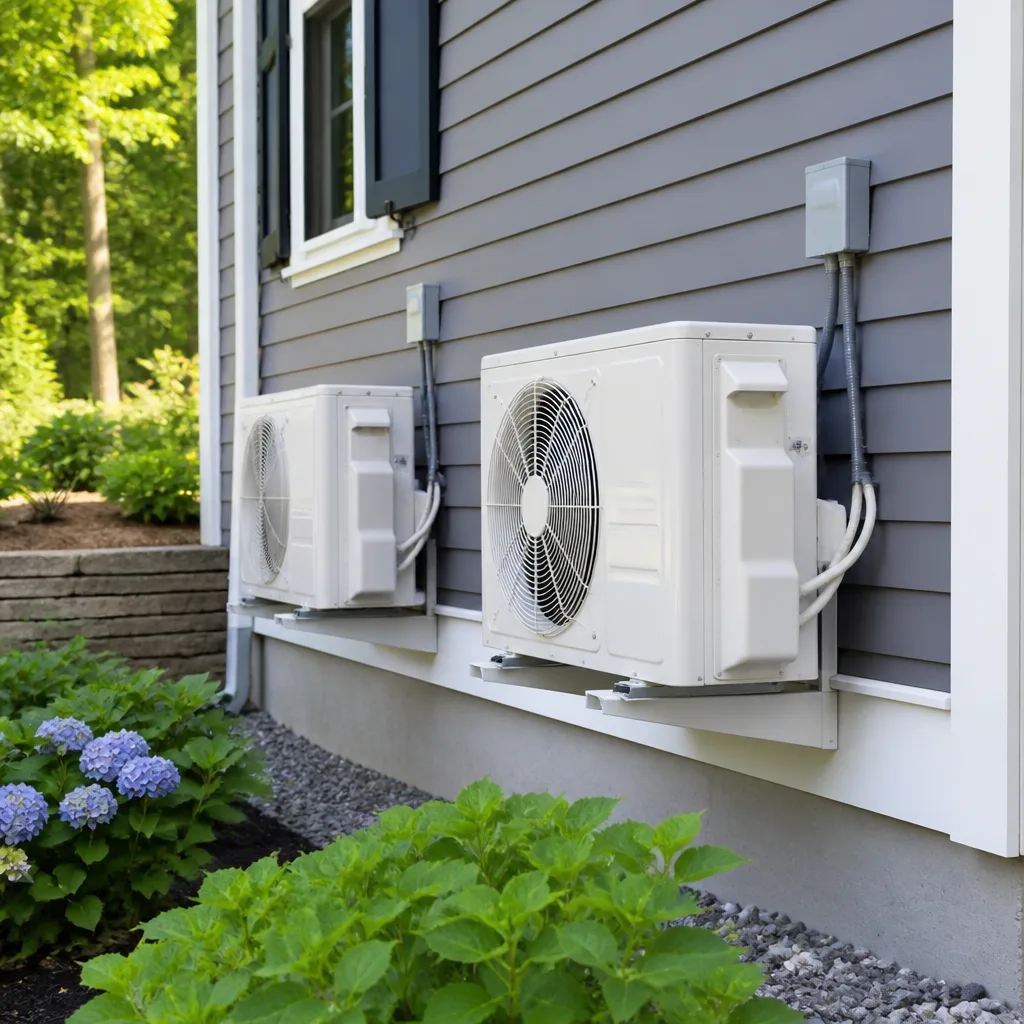 Ductless mini splits
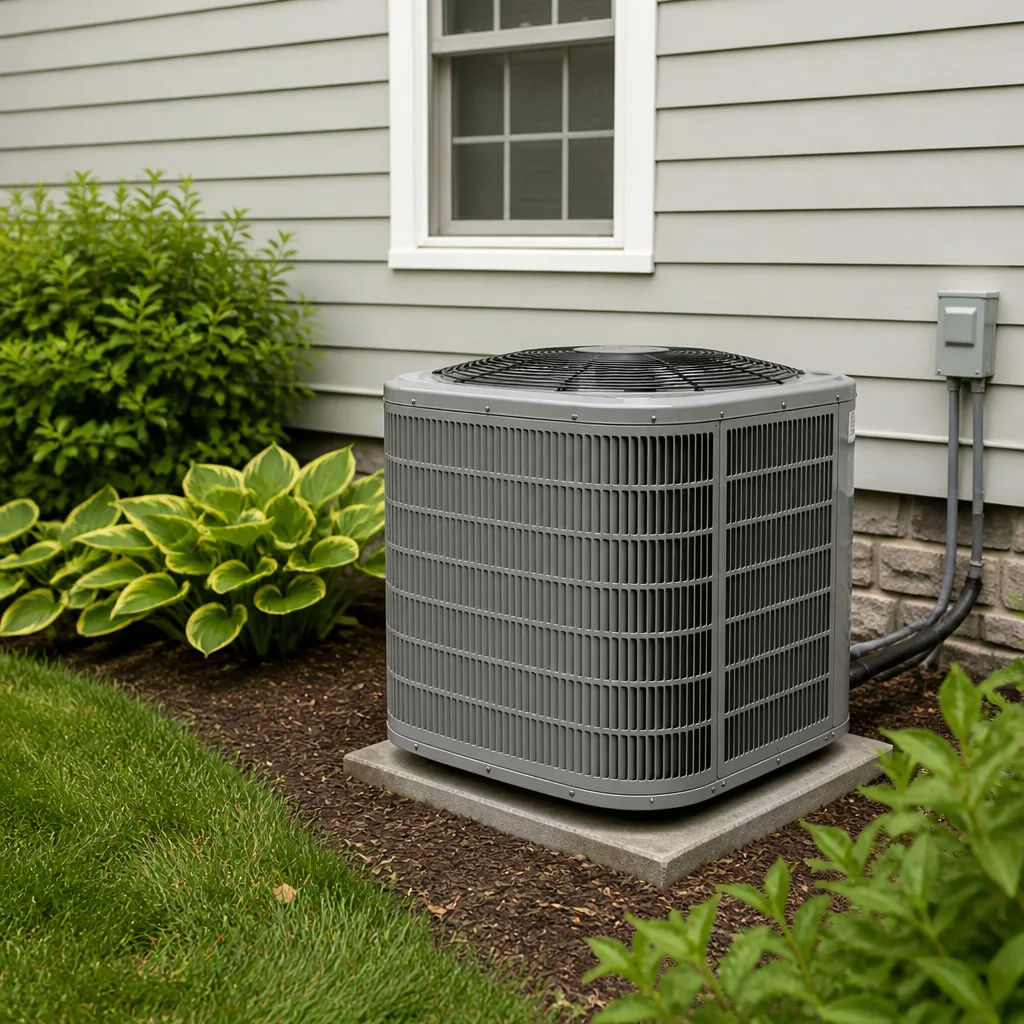 Carrier
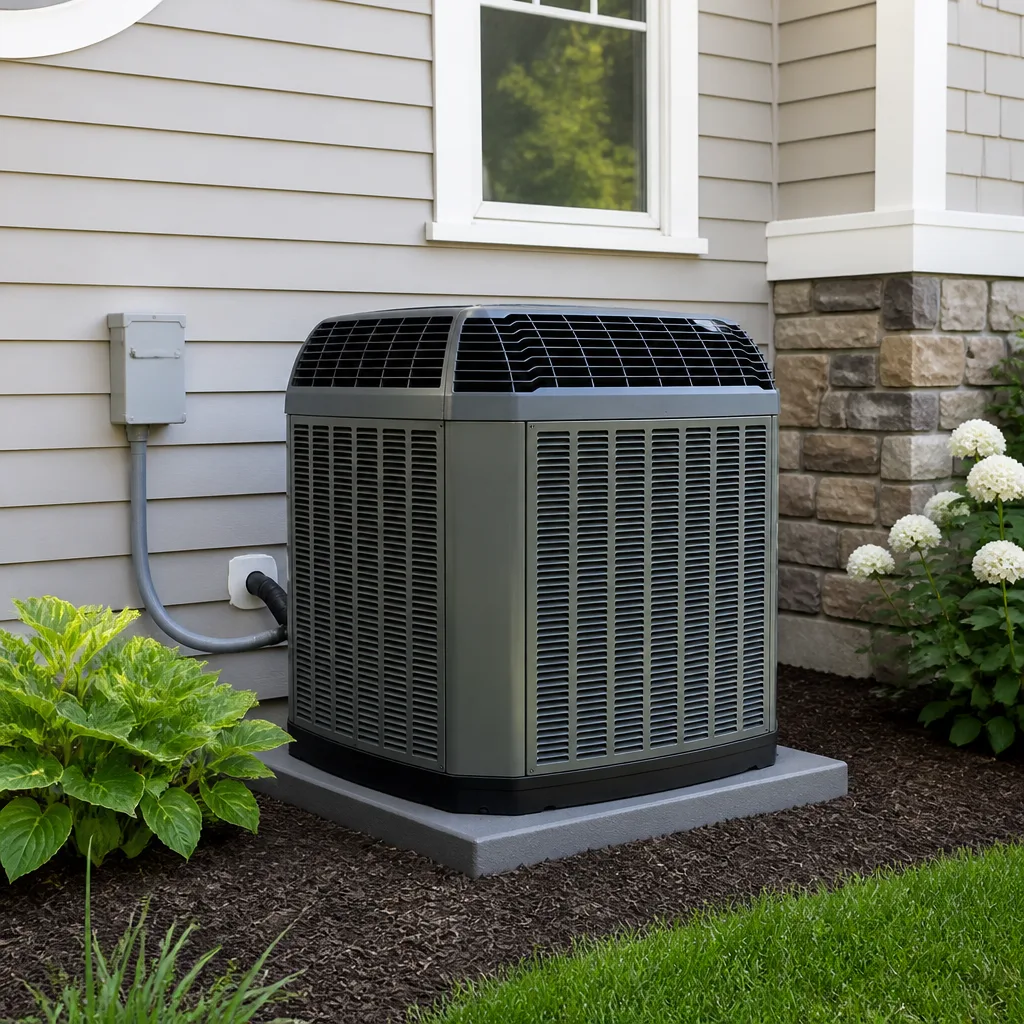 Trane
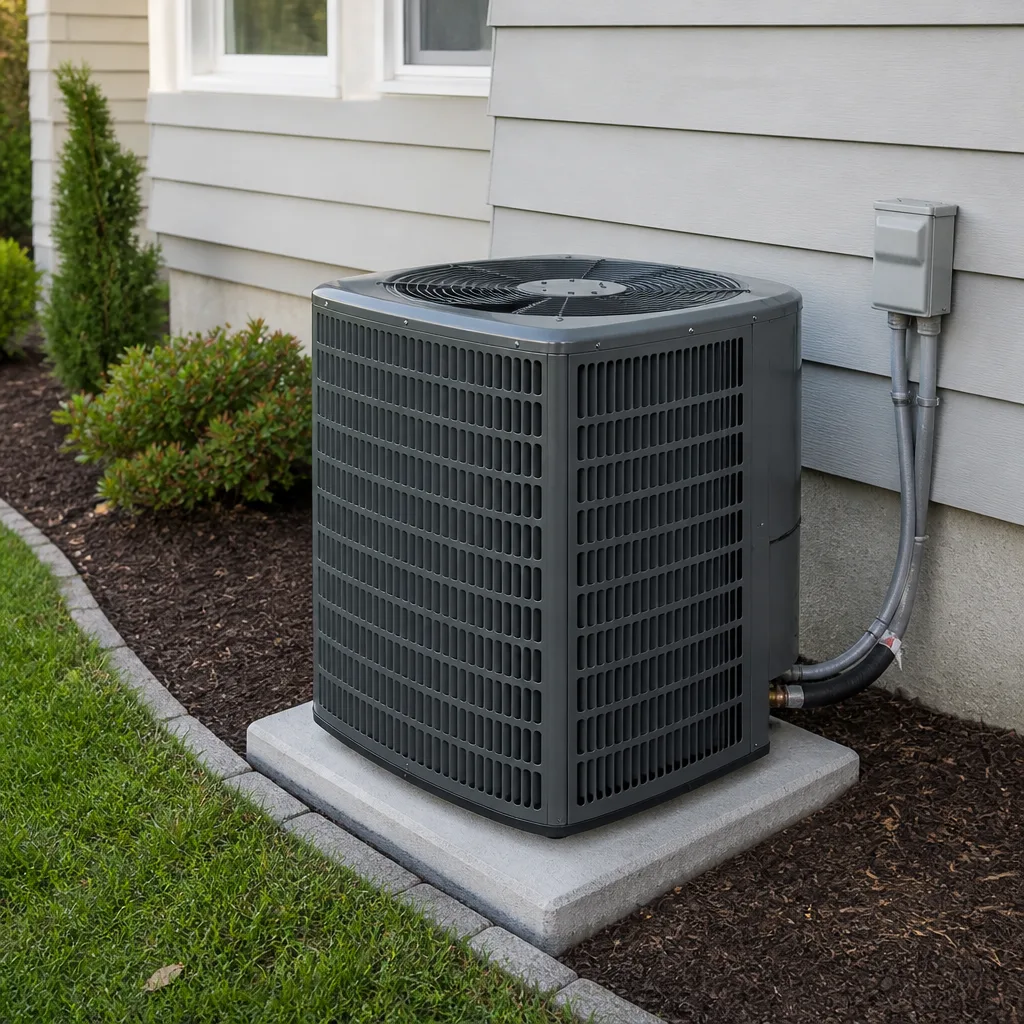 Goodman
Seasonal tune-up and full diagnostic on your Carrier, Trane, or Goodman system - readings shown to you before any repair is proposed
Diagnosis first, numbers second - you approve the repair price before a single part goes in.
Get your free estimateAC Installation Troubleshooting in Sunrise Manor: Common Problems and How to Fix Them
A brand-new air conditioner that short-cycles every eight minutes in June isn’t broken. It’s almost certainly oversized for the house, or it has a refrigerant charge problem that was introduced during installation. That distinction matters more than most homeowners realize, because one is a warranty conversation and the other is contractor liability. In Sunrise Manor, where summer afternoons sit in triple digits for weeks and the housing stock ranges from 1960s block homes to newer stucco builds, installation mistakes hide until the system runs under real desert load. This guide gives you the diagnostic language to tell the difference between a hardware failure, an install error, and a design problem.
Quick Answer
Most problems that appear in the first cooling season after a new AC installation in Sunrise Manor trace back to installation or design errors rather than defective equipment: wrong sizing, incorrect refrigerant charge, unbalanced airflow, or duct leakage. Short-cycling usually means oversizing or a charge issue, warm rooms with a running system usually mean duct or airflow problems, and a frozen coil in July points to low airflow or an undercharged system. Document everything and escalate through the installing contractor first, then the Nevada State Contractors Board if the issue isn’t resolved.
Styles & brands we work with
- AC repair
- Furnace & heating
- Heat pumps
- Ductless mini splits
- Carrier
- Trane
- Goodman
Table of Contents
- Why does my new AC short-cycle in Sunrise Manor?
- Why are some rooms still warm when the system is running?
- Why does a new system freeze up in July?
- Electrical problems after installation: breakers, thermostats, and old panels
- How to tell whether it’s the equipment, the install, or the design
- How to document problems and escalate with your contractor
- How the Nevada State Contractors Board complaint process works
- What to check before you sign off on a new install
Why does my new AC short-cycle in Sunrise Manor?
Short-cycling means the system starts and stops more often than it should, usually in cycles well under the ten-to-fifteen-minute run times a properly sized unit needs to pull humidity and hold temperature. When it happens on a brand-new system in Sunrise Manor, the cause is almost always one of three things: oversizing, low refrigerant charge, or a TXV that wasn’t set or calibrated correctly at commissioning. Each one belongs to a different party, which is why the diagnosis matters.
Oversizing is a design error. A contractor who sizes by square footage alone, instead of running a proper load calculation, can install a unit that cools the house too fast and shuts off before it removes moisture or reaches a stable cycle. In Sunrise Manor’s climate, oversizing also means the system never gets to run long enough to work efficiently in mild spring and fall weather. The installing contractor owns this one, and the fix is usually a load calculation and a correctly sized replacement, not a repair.
Low refrigerant charge is an installation error. If the line set wasn’t evacuated properly, if the charge wasn’t weighed in against the manufacturer’s specification, or if a flare fitting was torqued incorrectly, the system can be undercharged from day one. Symptoms include short cycling, a coil that never gets fully cold, and higher-than-expected supply-air temperature. This is also contractor liability, and it’s covered under the installation warranty in most cases.
TXV calibration sits in between. A thermostatic expansion valve that’s stuck, misadjusted, or the wrong valve for the system can cause erratic cycling even when the charge is correct. This is usually a warranty item on the part itself, but the labor to diagnose and replace it should be discussed with the installer.
What it isn’t, in most cases, is a defective compressor or a bad condenser. Manufacturers like Trane and Lennox build reliable equipment, and a unit that fails in its first season is far more likely to be a commissioning problem than a factory defect. That’s why we always start with the install before we look at the hardware.
Why are some rooms still warm when the system is running?
A system that runs constantly but leaves one or two rooms uncomfortable is telling you something specific: the equipment is probably fine, and the problem is in how the air is moving through the house. In Sunrise Manor, where west-facing rooms take the full afternoon sun, this complaint is common after a new install because the contractor replaced the equipment but left the existing ductwork and balancing in place. Three causes dominate.
- Duct leakage. Older Sunrise Manor homes often have ductwork in the attic, where attic temperatures can climb well past 130 degrees in July. A disconnected flex run or a poorly sealed plenum can lose a significant share of the cooled air before it ever reaches the register. If the warm room is at the end of a long run, leakage is the first thing to check.
- Improper airflow balancing. A new system with a higher static pressure than the old one can push more air to the closest registers and starve the far ones. Dampers at the plenum, or the lack of them, determine this. Balancing is part of commissioning, and a contractor who skipped it left the job unfinished.
- Incorrect refrigerant subcooling. Subcooling is the measurement that confirms the system has the right amount of refrigerant in the liquid line. If it’s off, the coil runs warmer than it should, and every room suffers, but the problem shows up worst in the rooms with the most heat gain. Subcooling is checked with gauges and a thermometer at commissioning, and it should be recorded on the paperwork.
Our advice is to note which rooms are warm, the time of day, and the outdoor temperature when you notice it, because that pattern tells a technician a great deal before they even open a panel. West-facing bedrooms that only get warm after 3pm point at heat gain and airflow. A whole side of the house that stays warm all day points at a duct problem.
Why does a new system freeze up in July?
Ice on the indoor coil in the middle of a Sunrise Manor summer looks like a catastrophic failure. It usually isn’t. A system freezes when the coil temperature drops below freezing, and that happens for two reasons on a new install: not enough air is moving across the coil, or the system is undercharged. In either case, the unit itself is usually fine, and the fix is in the commissioning or the ductwork.
Low airflow is the more common of the two. A clogged filter is the easiest cause and the first thing to rule out, but on a new install the more likely culprits are an undersized return, a duct system with excessive static pressure, or a blower speed that was left on a factory setting instead of being matched to the system’s design. Many new units ship with the blower tapped for a nominal airflow, and a contractor who doesn’t adjust it for the actual duct system leaves the coil starved of air.
An undercharged system freezes for a different reason: with less refrigerant in the coil, the pressure drops, the temperature drops with it, and frost forms on the coil face. A technician can tell the difference in minutes with gauges and a temperature reading across the coil. The important thing for a homeowner to know is that running a frozen system can damage the compressor, so the right move is to shut the system off at the thermostat and call for service rather than let it keep running while you wait.
If your system freezes and it’s a new install, this is a conversation to have with the installing contractor before you pay anyone else to look at it. In our experience, a freeze-up within the first season points back to the install far more often than it points to the equipment.
Electrical problems after installation: breakers, thermostats, and old panels
Electrical complaints after a new install are the ones homeowners worry about most, and they deserve a straight answer. Breakers that trip, thermostats that lose communication, and systems that won’t start at all are usually traceable to one of three things, and none of them are a reason to open a panel yourself. Air conditioning work at the electrical panel is genuinely dangerous, and the same is true of the high-voltage disconnect at the condenser.
Breaker trips. A new unit draws a specific amount of current, and if the circuit wasn’t verified against the new equipment’s rating, the breaker can trip under load. That’s an installation oversight, not a failing appliance. A loose lug at the disconnect is another common cause, and it’s a fire risk until it’s corrected by a licensed electrician or a qualified HVAC technician.
Thermostat communication errors. Modern communicating systems depend on correctly wired low-voltage controls. A single mis-landed wire, a loose terminal, or a thermostat that wasn’t configured for the equipment type will cause faults that look like equipment failures. This is straightforward to correct once it’s diagnosed, but it requires someone who knows the control wiring for the specific system.
New equipment on an old panel. Sunrise Manor has a lot of homes where the electrical service was sized decades ago. A new, higher-efficiency system sometimes needs a dedicated circuit that wasn’t there before, and a contractor who didn’t check the panel can leave a homeowner with a system that trips the main or shares a circuit it shouldn’t. If your panel is older, this is worth confirming before installation, not after.
If you smell burning, see scorch marks, or hear buzzing at the panel or disconnect, shut the system off at the breaker and call a professional. That’s not a troubleshooting exercise.
How to tell whether it’s the equipment, the install, or the design
This is the core skill this guide is built to teach. When a new AC acts up in Sunrise Manor, you want to know which party is responsible before you pick up the phone, because the answer changes who pays. Use this sequence.
- Note the pattern. Write down how often the system cycles, which rooms are affected, the time of day, and the outdoor temperature. A pattern that repeats at the same time each day points at design or airflow. A pattern that varies points at charge or controls.
- Check the filter and the obvious. A clogged filter causes freeze-ups and short cycling and is the one thing a homeowner can legitimately rule out. Replace it and see if the behavior changes.
- Compare the equipment to the load. Ask the installer for the load calculation. If they can’t produce one, oversizing becomes the leading suspect, and that’s a design problem.
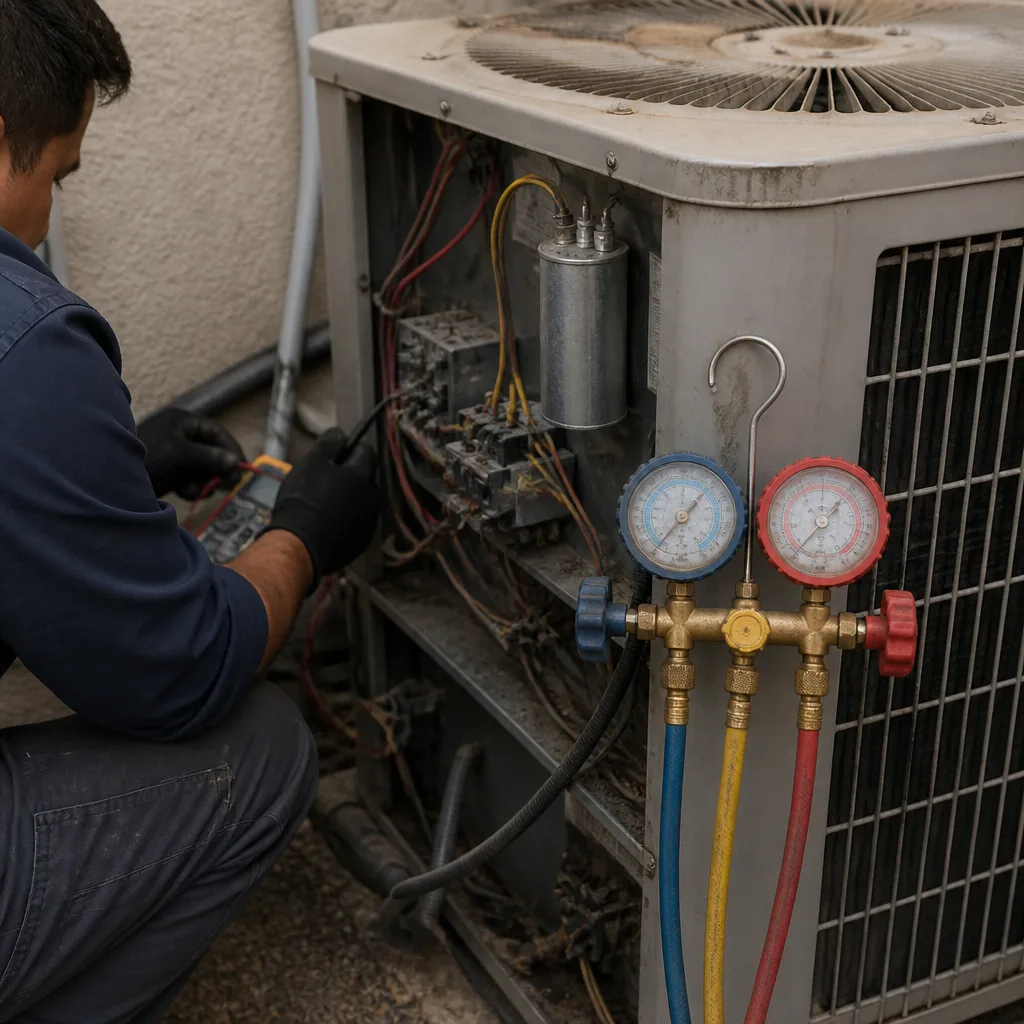
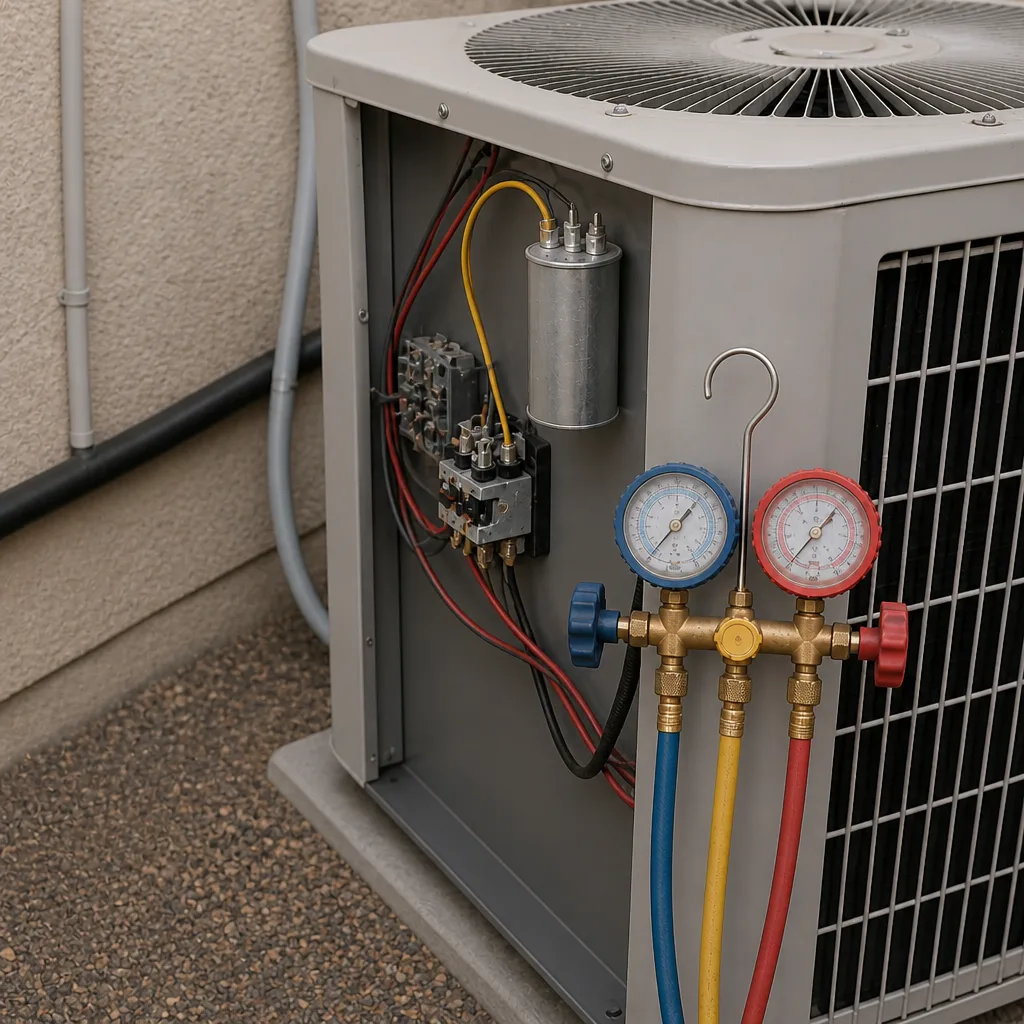
- Ask for the commissioning numbers. Refrigerant charge, subcooling, superheat, static pressure, and blower setting should all be recorded. If the installer didn’t measure them, the install wasn’t commissioned, and that’s on the contractor.
- Look for warranty versus liability. A failed compressor or a bad TXV is a warranty part. An undercharged system, an oversized unit, or unbalanced airflow is installation liability. Knowing which category you’re in changes the conversation.
If you’re not sure which category your problem falls into, that’s the point at which an independent assessment is worth having. AC installation problems are usually diagnosable in a single visit, and a second opinion that identifies an install error is useful leverage with the original contractor. Our technicians have up to 10 years of experience with systems from Trane, Lennox, Goodman, Rheem, and five other major brands, and we’ve seen every version of this conversation.
How to document problems and escalate with your contractor
Contractors respond to documentation. The homeowner who calls and says “it’s not working right” gets a different response than the one who calls with dates, temperatures, and cycle counts. Here’s what to keep from day one.
- The contract and the scope. Keep the signed proposal, the equipment model and serial numbers, and the promised scope of work. If the proposal promised a load calculation or a duct inspection, that’s your baseline.
- The commissioning report. Ask for it at handover. Refrigerant charge, static pressure, and airflow settings should be written down. If they weren’t measured, ask why in writing.
- A dated log of symptoms. Outdoor temperature, indoor temperature, which rooms are warm, how often the system cycles, and any error codes on the thermostat. A phone photo of the thermostat display is enough.
- Every service visit. Ask the technician to leave a written note of what they found and what they did. Verbal fixes that don’t get recorded tend to get repeated.
- All communication in writing. Email or text beats phone calls for anything you may need to escalate. Keep it factual and specific.
Give the installing contractor a fair chance to correct the problem, in writing, with a reasonable deadline. Most reputable contractors will come back and make it right, because install errors are their responsibility and their reputation depends on fixing them. If they don’t respond, or if the fixes don’t work, that’s when the state process comes in.
How the Nevada State Contractors Board complaint process works
Nevada regulates contractors through the Nevada State Contractors Board, usually called the NSCB. If a licensed contractor installs a system incorrectly and won’t correct it, the NSCB is the body that handles complaints, and it has real authority over the contractor’s license. The process is not complicated, but it depends on documentation, which is why the previous section matters so much.
The general shape of it is this: you file a complaint with the NSCB, you provide your contract, your records, and a written description of the defect and the contractor’s response, and the board reviews the claim. If it has merit, the board can require the contractor to correct the work or face disciplinary action. Specific timelines, forms, and eligibility rules change, so check the NSCB’s current guidance directly rather than relying on a secondhand description, including this one.
One practical note: the process works best when the defect is specific and measurable. “The system short-cycles and here are fourteen dated readings showing it” is a strong complaint. “The AC doesn’t work right” is a weak one. If you can get an independent technician to document the install error in writing, that strengthens the case considerably. For a broader look at the area and how its housing stock shapes HVAC work, see our Sunrise Manor page.
What to check before you sign off on a new install
The best troubleshooting guide is the one you never need. Before you make the final payment on a new system in Sunrise Manor, walk through this list with the installer. A contractor who is confident in the work will welcome the questions, and the answers become your records if anything goes wrong later.
- Ask for the load calculation. It should account for the home’s insulation, window orientation, and square footage, not just a rule of thumb.
- Ask for the commissioning numbers. Refrigerant charge verified by weight or subcooling, static pressure measured, blower speed set to the design airflow.
- Confirm the thermostat is configured for the equipment. Wrong configuration causes communication faults that look like hardware failures.
- Have the electrical circuit verified. Breaker size, wire gauge, and disconnect condition should all be checked against the new unit’s rating.
- Run the system for a full cycle before you sign. Watch it reach temperature and shut off, then listen to it start again. Note whether it holds a normal cycle.
- Get the warranty paperwork in hand. Manufacturer warranty, labor warranty, and the contractor’s contact for service calls should all be in writing.
If you’re weighing a new install against repairing what you have, our AC Repair Sunrise Manor team can look at the existing system and tell you honestly which makes more financial sense. We work on whatever is already in your home, whether that’s a Carrier, a Bryant, an American Standard, or a York.
Common Mistakes to Avoid
- Paying the final invoice before the system has run a full cycle. Once the money has changed hands, your leverage drops. Insist on seeing the system cool the house and shut off normally, and get the commissioning numbers in writing before the last payment.
- Assuming a new unit means a new system. In Sunrise Manor, many installs reuse ductwork from the original build. If the ducts leak or the static pressure is too high, the new equipment inherits the old problem, and the contractor should have measured it.
- Letting a frozen system keep running. Ice on the coil means the compressor is being stressed. Shut it off at the thermostat and call for service instead of waiting it out, because a compressor failure turns a cheap fix into an expensive one.
- Accepting phone-only answers to written questions. Ask for the diagnosis and the fix in writing. This matters enormously if you ever need to escalate to the Nevada State Contractors Board.
- Calling a different contractor first when the problem is clearly an install error. Bringing in a third party before the original installer has a chance to correct their own work can complicate the warranty conversation. Document, request a fix in writing, then escalate.
- Ignoring a tripping breaker. A breaker that trips repeatedly after a new install is a warning, not an annoyance. Stop using the system and get the circuit checked, because loose connections and undersized wiring are fire hazards.
- Skipping the filter after install. Construction dust and debris from the install itself can clog a new filter fast. Check it within the first month, especially in a dusty desert climate.
See the difference
 Before
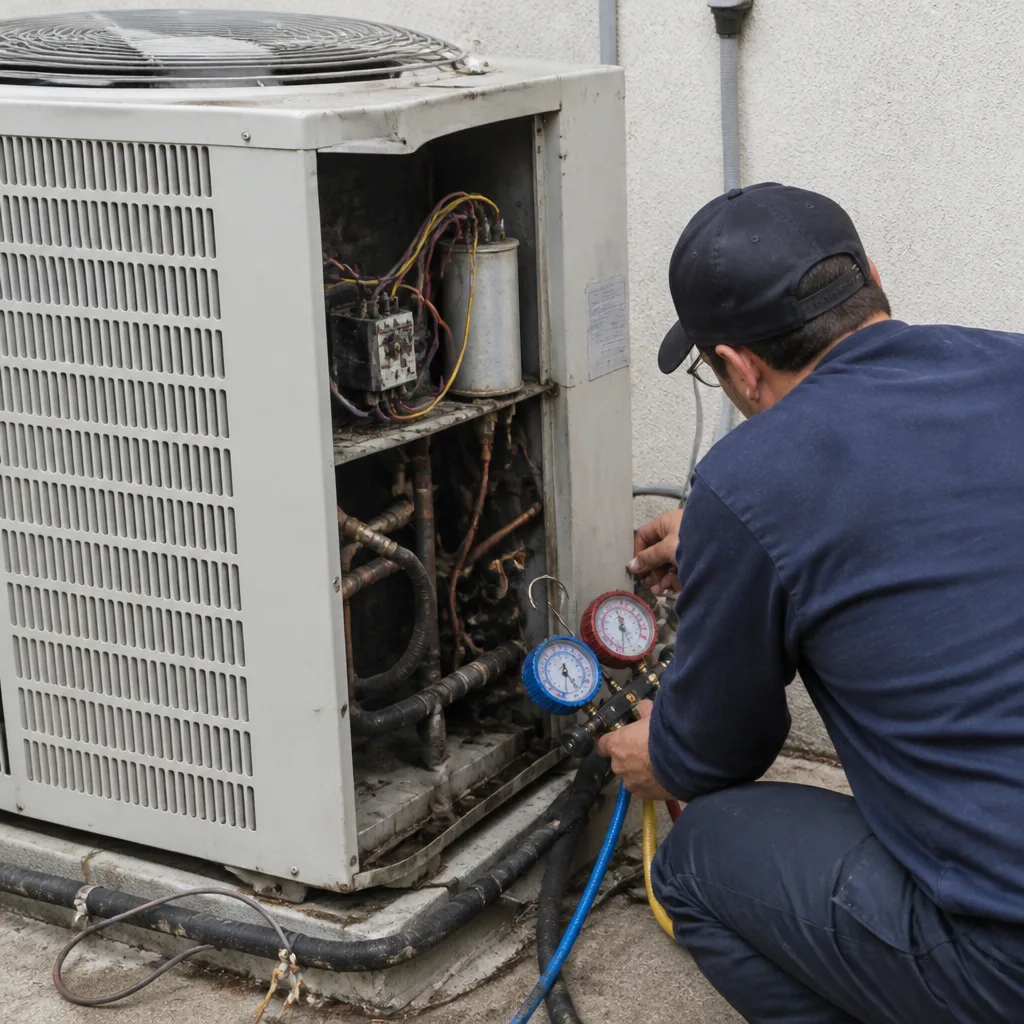
 After
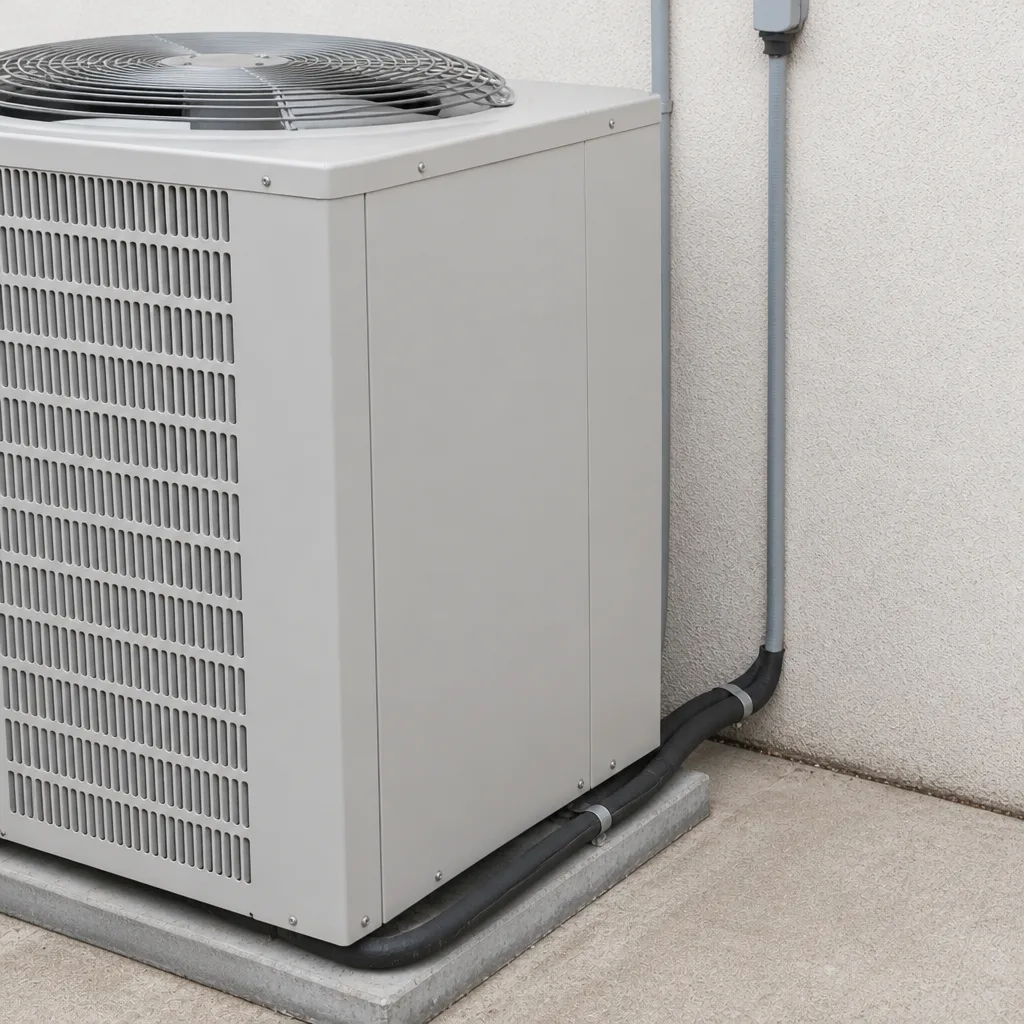
 Before
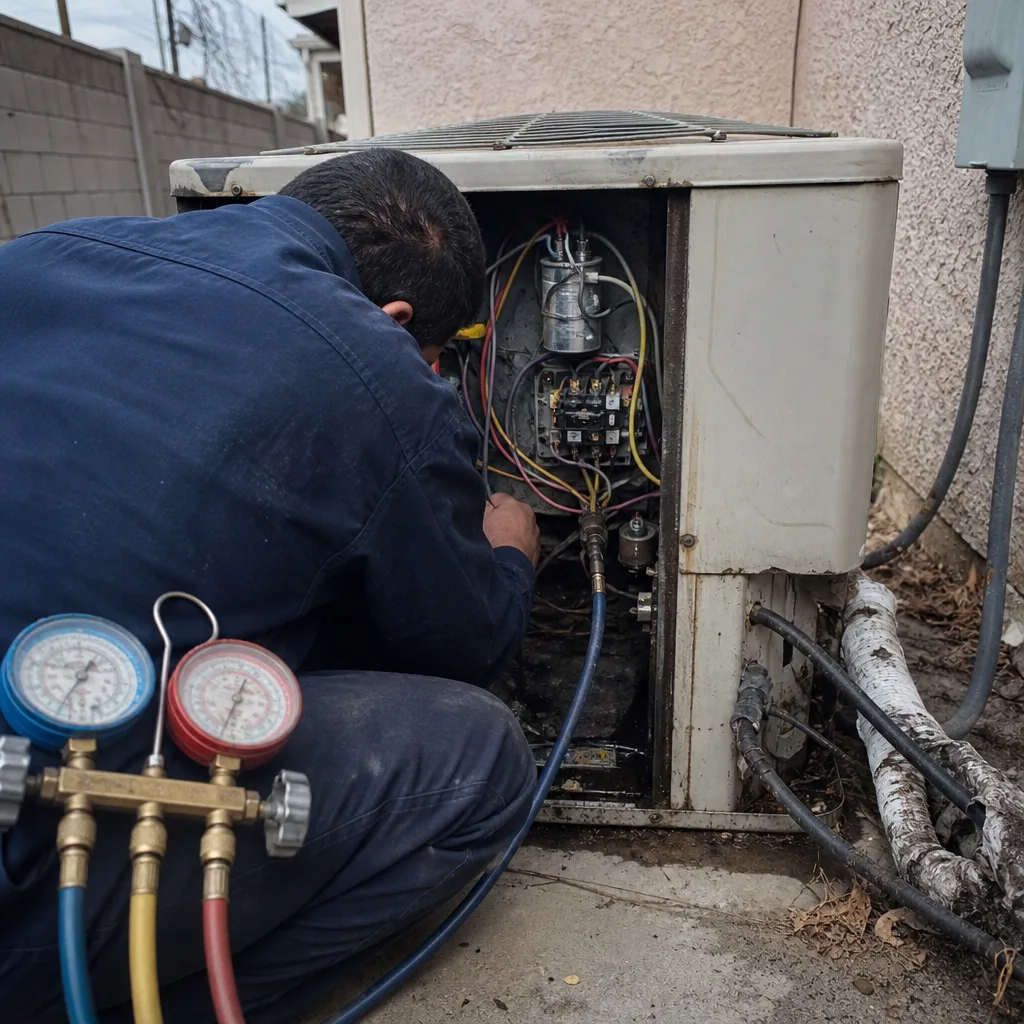
 After
 Before
 After
When to Call a Professional
Call a professional when the system short-cycles, when a coil freezes, when a breaker trips more than once, when a thermostat throws an error code you don’t recognize, or when one or more rooms stay warm despite a system that runs constantly. Also call if you can’t get the installing contractor to produce commissioning numbers or to return for a documented defect. Refrigerant work, electrical diagnosis at the panel or disconnect, and anything involving the compressor require training and tools you don’t have, and guessing at them can make things worse. AC Repair Sunrise Manor offers free estimates in Sunrise Manor and works on all nine major brands, so we can assess the system regardless of what’s installed. Call (855) 356-3116. We answer 24/7. Fast dispatch from 7am to 7pm, Sunday through Friday.
Frequently Asked Questions
Usually not as an equipment warranty claim, because short-cycling from oversizing, low refrigerant charge, or a commissioning error is an installation issue rather than a failed part. The compressor and other components carry manufacturer warranties, but the labor and the diagnosis fall under your installation agreement with the contractor who did the work. Ask the installer to check the charge and the load calculation before you accept that the unit itself is defective. If you need an independent read, call (855) 356-3116 for a free estimate.
A new system freezes in July because the indoor coil drops below freezing, which on a fresh install usually means low airflow or an undercharged system. Check the filter first, then shut the system off and have the charge and blower settings verified. Freeze-ups in the first cooling season point at the installation far more often than the equipment. Call (855) 356-3116 for an exact quote on diagnosing it.
You know it was sized correctly if the installer can show you a load calculation based on the home’s insulation, windows, and square footage, not just its square footage alone. A properly sized system runs in longer, steadier cycles and holds temperature without constant on-off behavior. If the contractor can’t produce the calculation, ask for it in writing. Estimates are free if you’d like a second opinion: (855) 356-3116.
If the system is new and the problem is an install error, repair is the right call, and it should be the installing contractor’s responsibility. Replacement only makes sense when the equipment itself has failed and the warranty process supports it, or when the original sizing was wrong enough that the system can’t be corrected in place. We’ll tell you honestly which one applies. Call (855) 356-3116 for a free estimate.
Yes, you can file a complaint with the Nevada State Contractors Board if a licensed contractor installed equipment incorrectly and won’t correct it. The complaint is stronger when you have the contract, the missing or incorrect commissioning numbers, and a dated log of the symptoms. Check the NSCB’s current forms and eligibility rules directly. For a documented second opinion before you file, call (855) 356-3116.
We work on nine of the industry’s leading brands, including Carrier, Trane, Lennox, Goodman, Rheem, York, Daikin, Bryant, and American Standard, so the answer is almost certainly yes. That matters in Sunrise Manor, where a single street can have a mix of brands installed by different contractors over the years. You don’t need to track down a brand-specific dealer to get your system looked at. Call (855) 356-3116. We answer 24/7. Fast dispatch from 7am to 7pm, Sunday through Friday.
The Bottom Line
When a new AC misbehaves in Sunrise Manor, the equipment is rarely the culprit. Short-cycling points at oversizing or charge, warm rooms point at duct leakage or airflow balancing, freeze-ups point at low airflow or an undercharged system, and electrical faults point at the circuit or the thermostat configuration. Learn to recognize the pattern, ask for the commissioning numbers in writing, and give the installing contractor a fair chance to correct their own work before escalating. If you need an independent assessment or an honest repair-versus-replace answer on an older system, we handle both. Call (855) 356-3116 for a free estimate. We answer 24/7. Fast dispatch from 7am to 7pm, Sunday through Friday.
Our technicians have up to 10 years of experience across AC installation, furnace repair, and furnace replacement, so we can look at the whole system rather than just the cooling side.
Written by the team at AC Repair Sunrise Manor.