
Last updated November 15, 2026
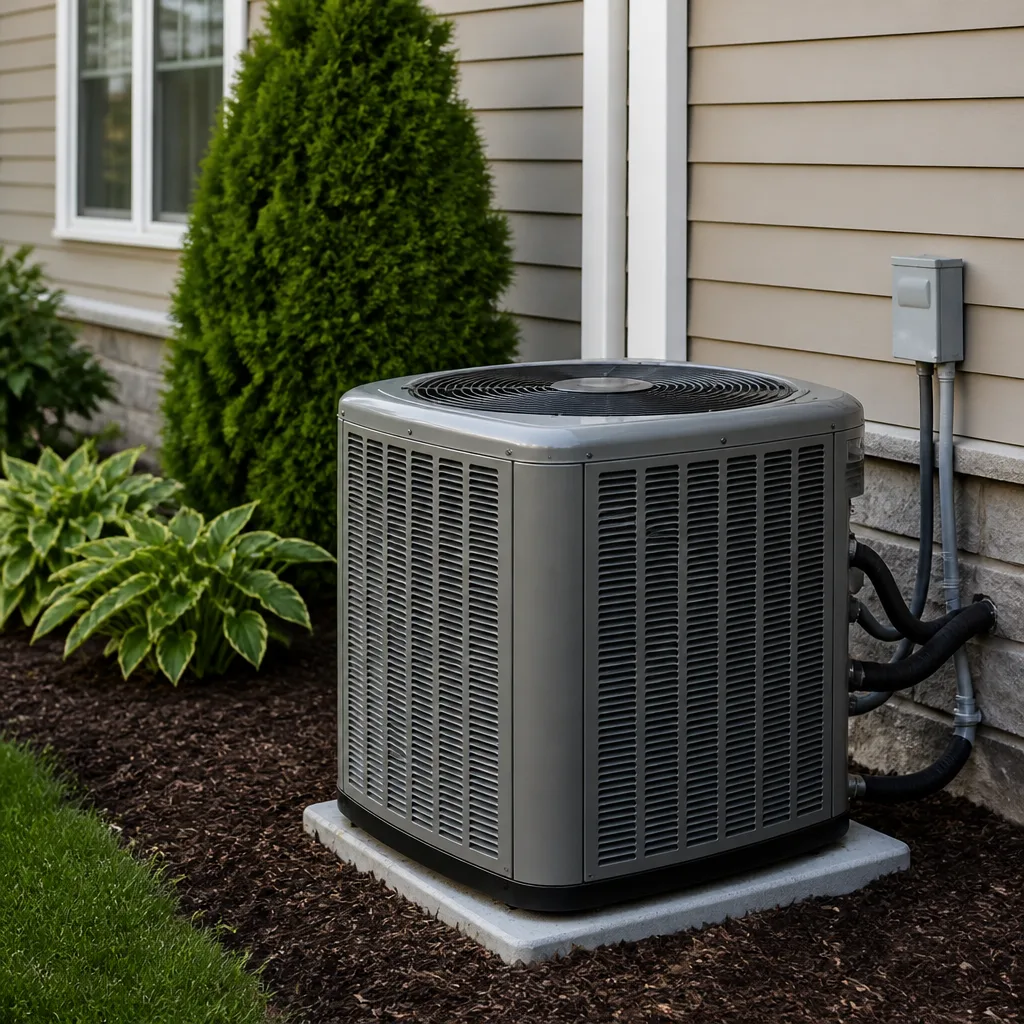 AC repair
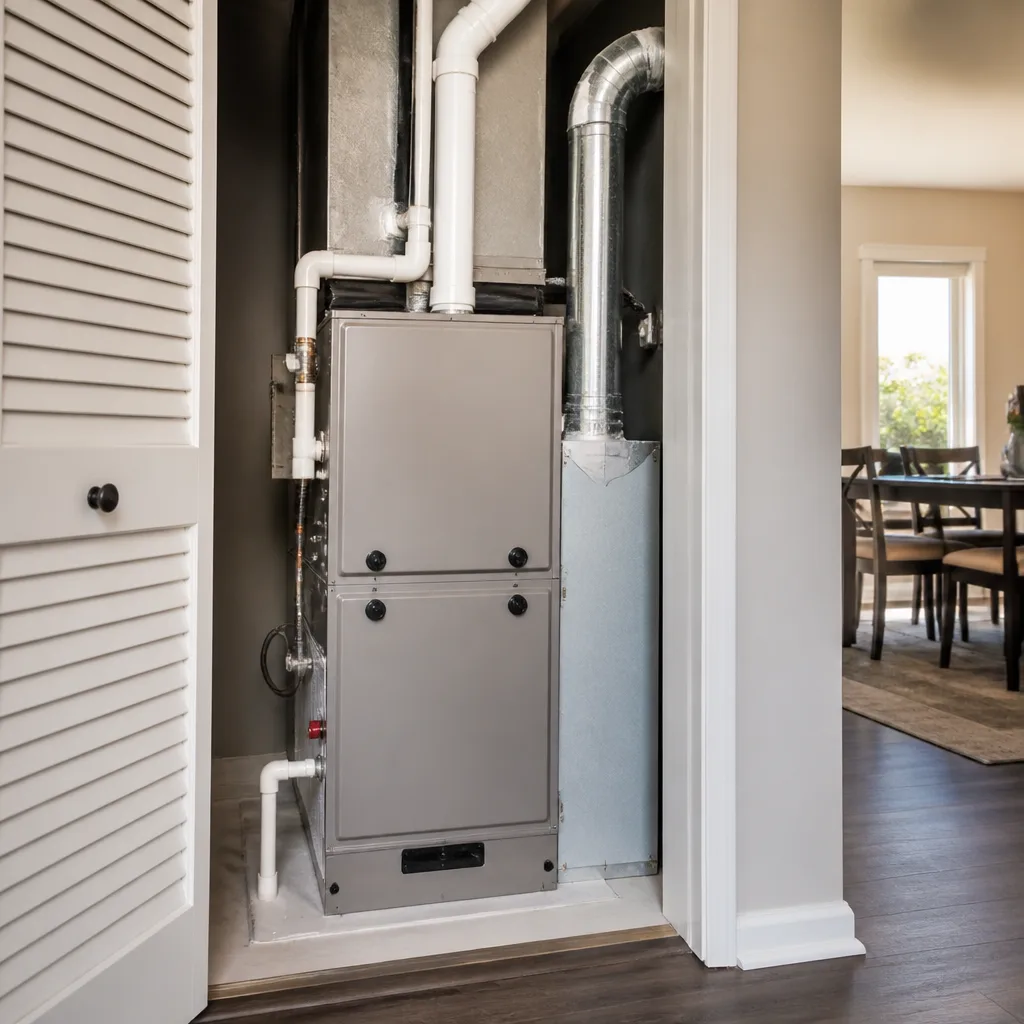 Furnace & heating
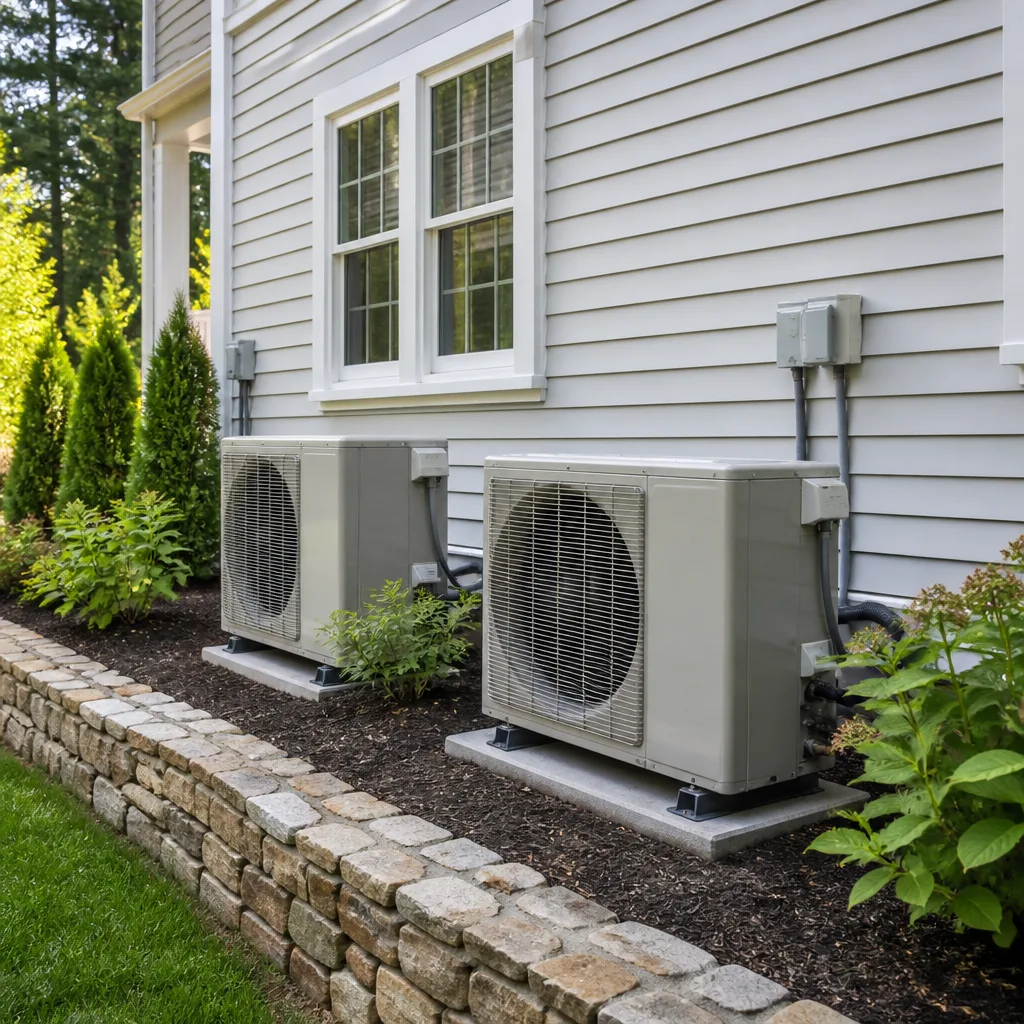 Heat pumps
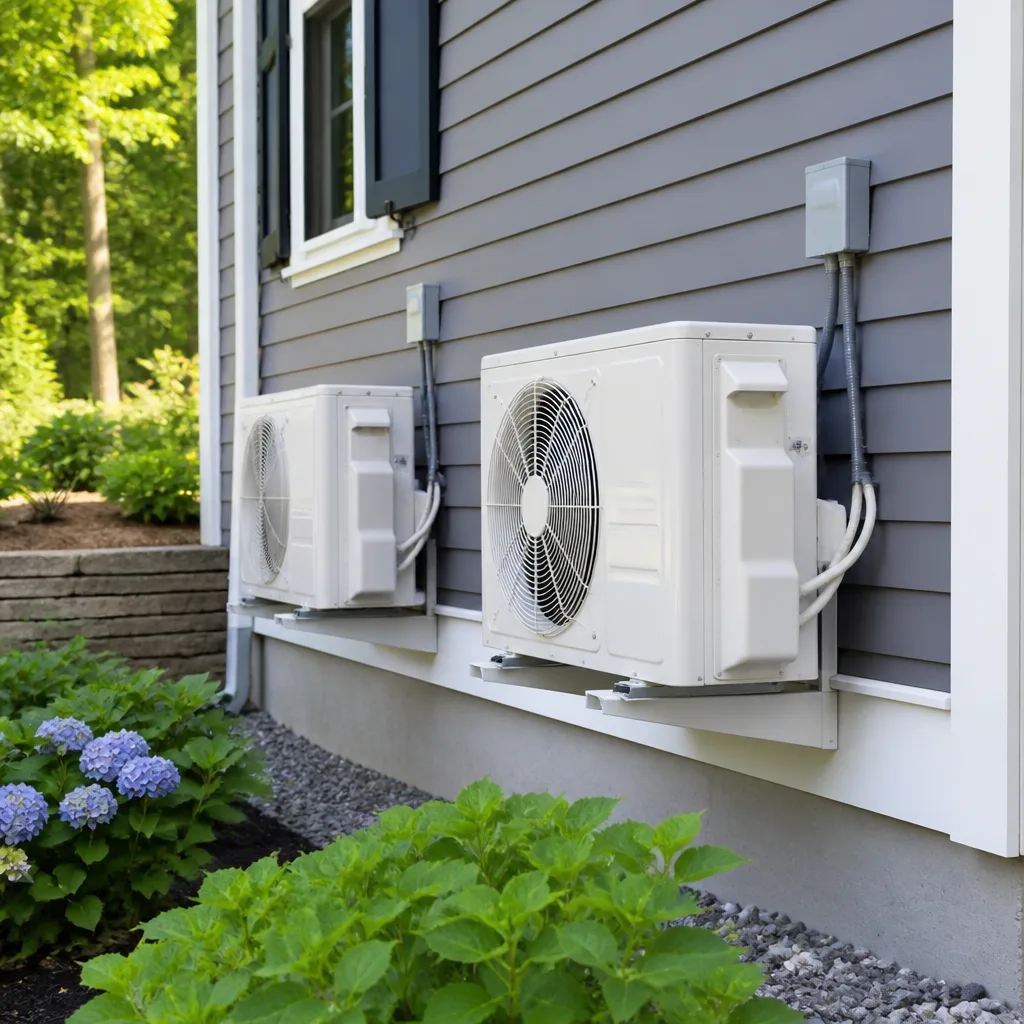 Ductless mini splits
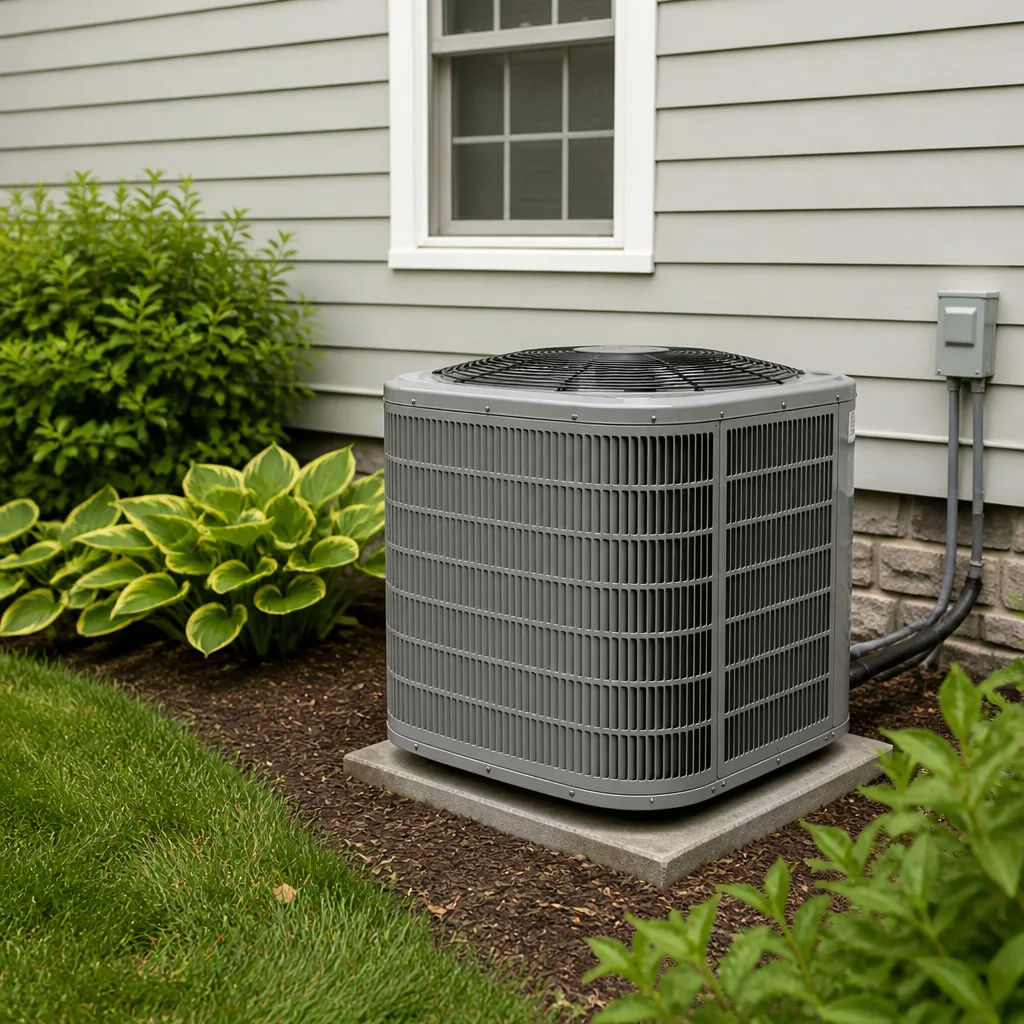 Carrier
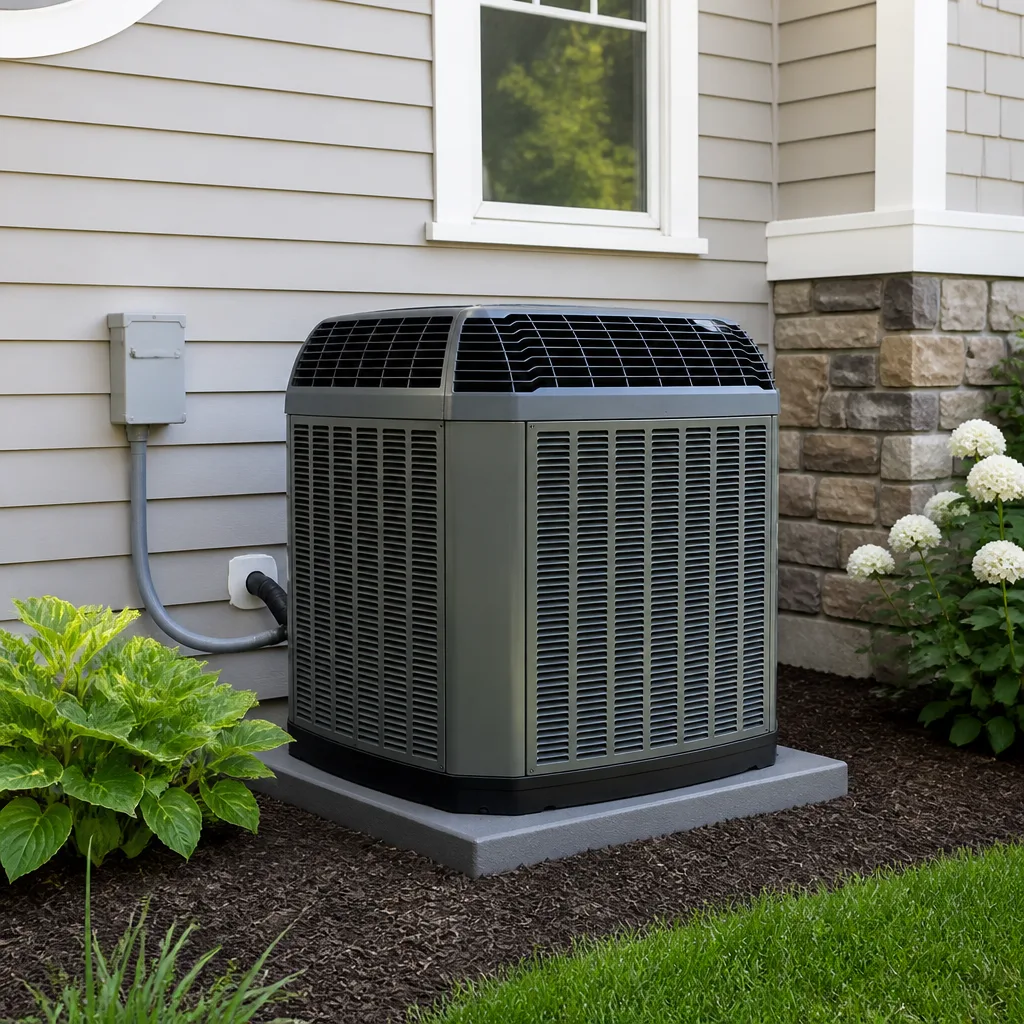 Trane
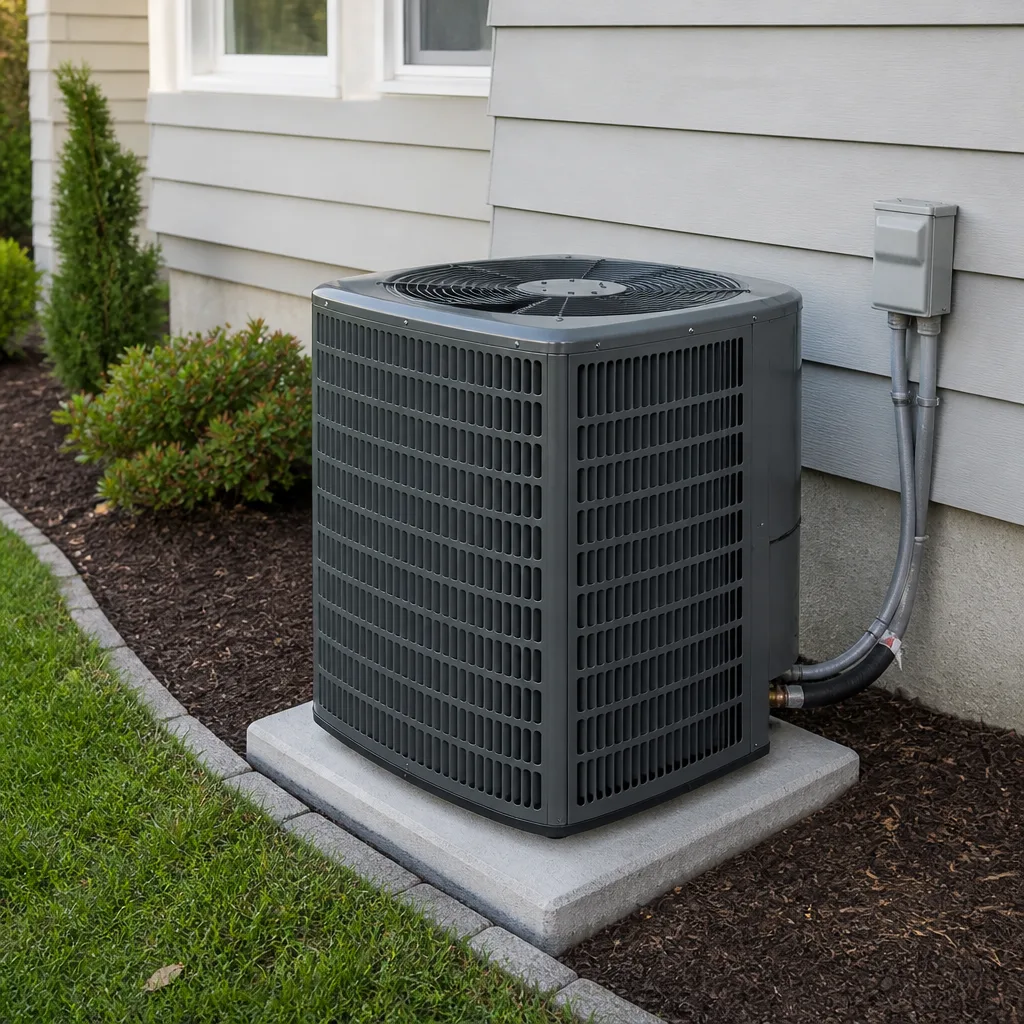 Goodman
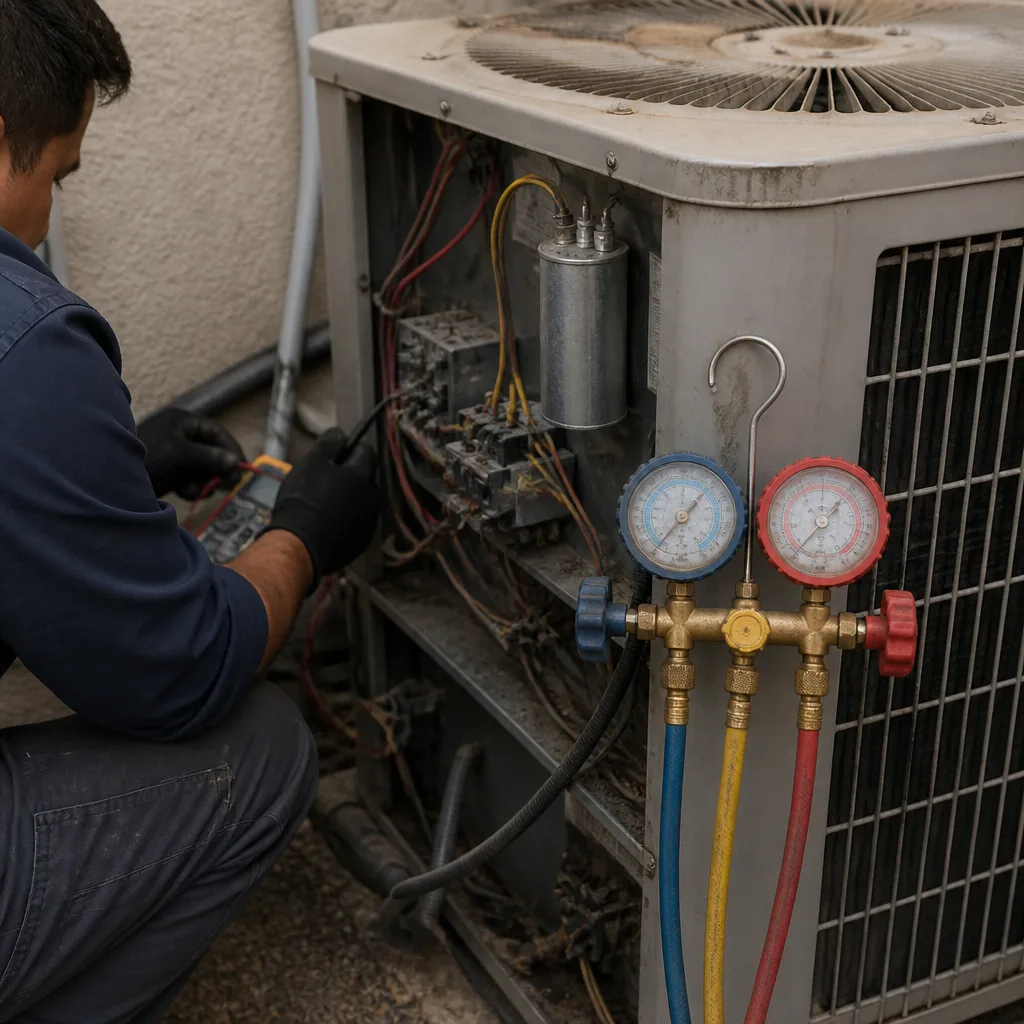
Seasonal tune-up and full diagnostic on your Carrier, Trane, or Goodman system - readings shown to you before any repair is proposed
Diagnosis first, numbers second - you approve the repair price before a single part goes in.
Get your free estimateHVAC Emergency Preparedness Guide for Sunrise Manor Homes
Most homeowners think an HVAC emergency starts with a phone call. It doesn’t. It starts weeks earlier, with a capacitor that’s quietly drifting out of spec or a condensate drain that’s one hot week away from clogging. When a July heat event settles over Sunrise Manor and the temperature holds above 110°F for days, the average wait for emergency HVAC service pushes past 18 hours. That’s a long time to sit in a house that’s already past 95°F. By the time you’re dialing, the repair is out of your hands. The next 18 hours aren’t.
What we cover here: the pre-season checks that cut your odds of a mid-summer failure, the legitimate first-30-minute steps that sometimes bring a system back, how to decide when a house is safe for fans and when it isn’t, which portable units actually work in a Sunrise Manor room, and how to hand a technician everything they need in one call.
Quick Answer
HVAC emergency preparedness in Sunrise Manor means three things: servicing your system before June so capacitors, contactors, and condensate drains don’t fail on the hottest day, knowing the safe indoor temperature limits for your household and evacuating if you cross them, and having your system’s model number, age, and symptom description ready so a technician can diagnose in one trip. When a system fails, the first 18 hours are the real emergency – the repair itself is usually straightforward.
Styles & brands we work with
- AC repair
- Furnace & heating
- Heat pumps
- Ductless mini splits
- Carrier
- Trane
- Goodman
Table of Contents
- Pre-Season Steps That Reduce Emergency Risk
- What to Do in the First 30 Minutes of a Failure
- Safe Indoor Temperatures by Household Vulnerability
- When to Evacuate to a Cooled Space
- Portable and Window AC Specs That Work in 110°F+
- Building a Service-Call Priority Kit
- Reading System Symptoms Before You Call
- Common Mistakes to Avoid
Pre-Season Steps That Reduce Emergency Risk
The single best way to avoid an HVAC emergency in Sunrise Manor is to catch failing parts in May, not July. Most components that strand a household mid-heatwave give some warning. You just have to look before the system is working at full load.
A few components account for the bulk of hot-weather failures, especially on equipment past the eight-to-ten-year mark. When a system is running nearly nonstop in 110°F conditions, it pushes every part to its limit. That’s when marginal parts finally give out.
Here’s what to have checked before June:
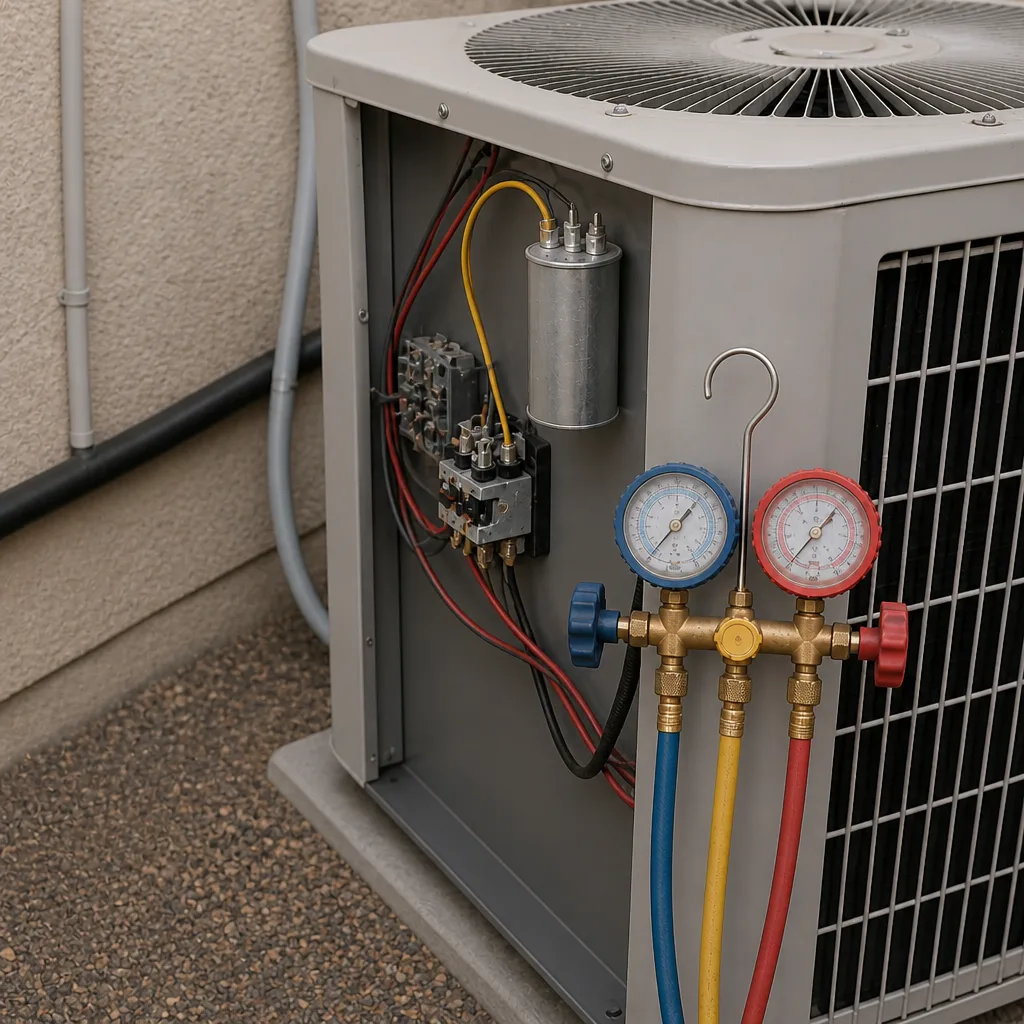
- Capacitors. These store the kick that starts your compressor and condenser fan. A capacitor that’s out of tolerance within 10 percent is a capacitor that will fail under load. On older units, capacitor degradation is one of the most common causes of a “system won’t start” call.
- Contactors. The electrical switch that sends power to your compressor. Pitted or burned contacts cause intermittent starting that gets worse in the heat. Contactors fail more often on systems that have seen many summers of high-cycle operation.
- Condensate drain line and float switch. In dry desert air, drains can dry out and trap debris, or the drain pan can overflow if the line clogs. A float switch that trips shuts your whole system down – indoors, in the middle of a heatwave. Clearing the drain and testing the switch takes minutes.
- Refrigerant charge. A system running low on refrigerant works harder to hit setpoint, which stresses the compressor. Check the charge before the season, not during it.
- Filters. A loaded filter raises static pressure and lowers airflow, which pushes your evaporator coil toward freezing. Change it before June and check it monthly through the hot months.
Our technicians have up to 10 years of experience, and the pre-season call is where that experience pays off. You want an inspection that pinpoints the three or four parts most likely to fail on your specific equipment, not a generic checklist. Whatever system you have, we work on it – Carrier, Trane, Lennox, Goodman, Rheem, York, Daikin, Bryant, and American Standard are all covered. If you want to schedule an inspection before the heat arrives, AC Repair Sunrise Manor can set one up.
What to Do in the First 30 Minutes of a Failure
When your AC stops cooling, don’t assume the worst. A handful of legitimate, safe checks can sometimes restore function without a service call. These are the things to try before you dial anyone.
- Reset the thermostat the right way. Turn the thermostat to OFF, then to COOL. If it’s a digital thermostat, pull it off the wall plate, swap the batteries, and reseat it. A dead battery or a thermostat that’s lost its mode mid-cycle can mimic a system failure. Give it five minutes to respond.
- Check the breaker. At your electrical panel, look for a tripped breaker labeled AC, AIR HANDLER, or FURNACE. If it’s tripped, reset it once. If it trips again immediately, stop – don’t keep resetting it. That’s a sign of a real electrical fault, and the panel is a live hazard. Close the panel and call a professional.
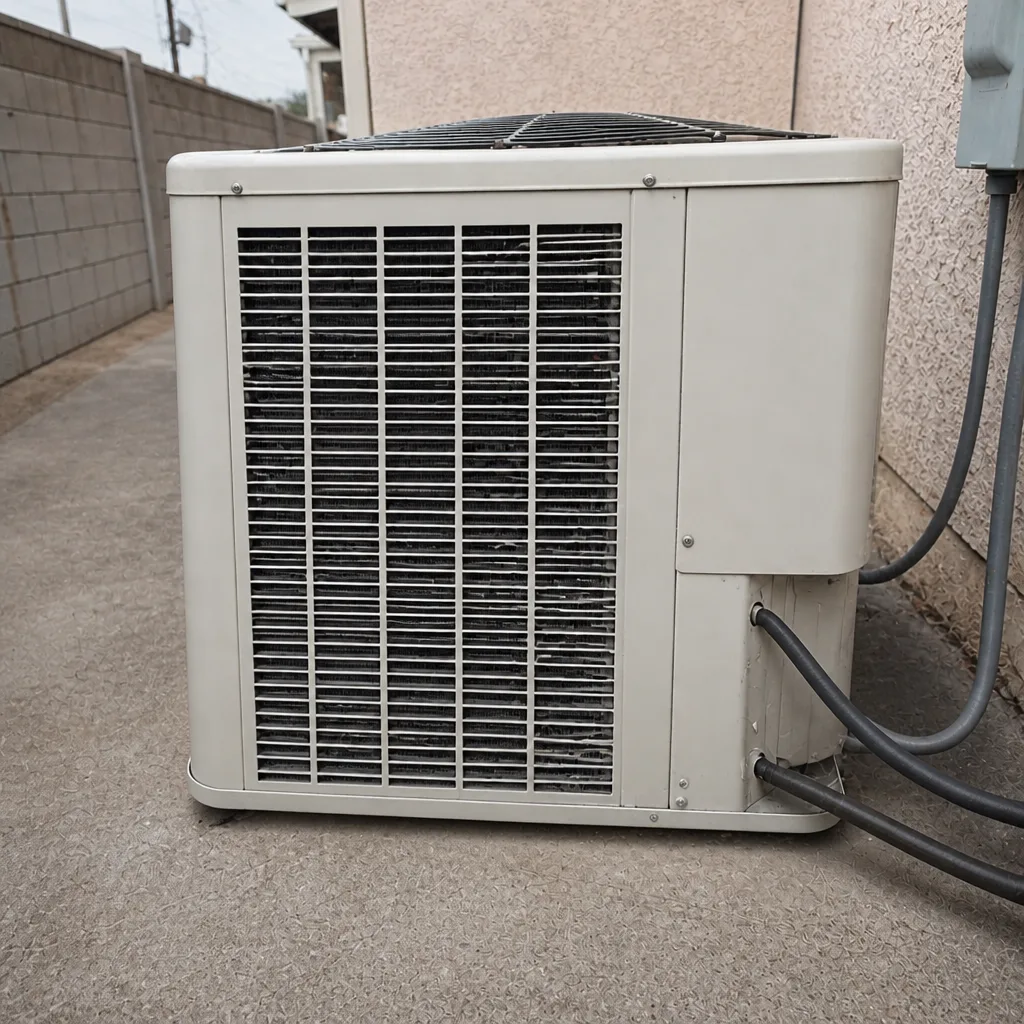
- Look at the outdoor unit – from a safe distance. With the system off, walk outside and look at the condenser. Are there leaves, debris, or a blocked grille? Clear anything within a couple of feet of the unit. Check that the fan spins freely by hand while the system is OFF – if it’s stiff or grinding, that’s a fan motor issue. Never reach into the unit while it’s running, and never remove a panel.
- Check the air filter. A completely clogged filter can freeze the indoor coil. Swap it if it’s dirty. If you swap it, wait a few hours before assuming the system is broken again.
- Turn the system off and wait. If you’ve just reset a breaker or swapped a filter, run the system in COOL for 20 to 30 minutes and see if it holds. If it cools, you may have cleared a temporary fault. If it doesn’t, stop troubleshooting.
That’s the honest list. Every other “fix” on the internet – shorting the contactor, bypassing the float switch, adding refrigerant yourself – either damages the system or puts you at risk of serious injury. Capacitors hold a charge even after power is cut, and the indoor coil and the electrical components inside the air handler aren’t a homeowner’s territory.
If the first-30-minutes checklist doesn’t bring the system back, call us. We answer 24/7. Fast dispatch from 7am to 7pm. Call (855) 356-3116.
Safe Indoor Temperatures by Household Vulnerability
Once it’s clear the system isn’t coming back on its own, the next question is how hot your house can safely get. In Sunrise Manor, where summer temperatures routinely top 110°F and nighttime lows can stay in the upper 80s, the answer depends on who lives with you.
Heat doesn’t affect everyone the same way. An indoor temperature that feels tough but manageable to a healthy adult can turn dangerous within hours for someone at higher risk. Here’s how we think about it:
- Healthy adults with no medical conditions. Many people can ride out 85°F to 90°F indoors with fans, hydration, and stay-out-of-the-sun behavior. Above 95°F indoors for more than a few hours, even healthy adults start to struggle – especially if the air is still.
- Older adults. Aging affects cooling and thirst signals, so an older person may not feel hot until they’re already in trouble. Treat 85°F to 88°F indoors as a threshold to act, not a temperature to tough out.
- Infants and young children. Small bodies heat up faster. Above about 85°F indoors, infants and young children are at real risk. Don’t rely on fans alone to protect them.
- People with heart conditions, diabetes, or respiratory conditions. Heat raises demand on the heart and worsens breathing problems. Treat 85°F as the practical ceiling.
- Pets. Dogs and cats don’t sweat well, and flat-faced breeds struggle even more. Above 85°F, a house without cooling is genuinely dangerous for animals.
A cheap indoor thermometer in each main living area tells you what’s actually happening, rather than what your thermostat says. Low humidity in the desert does help – sweat evaporates fast, so fans work better here than they would in a humid climate. But low humidity doesn’t change the danger when indoor temperatures climb toward 90°F for elderly residents or infants.
When to Evacuate to a Cooled Space
Evacuation isn’t a defeat – it’s the right plan when the house becomes the risk. The decision to leave is separate from the repair decision.
Go to a cooled space if any of these apply in Sunrise Manor:
- Indoor temperature reaches 88°F to 90°F and your household includes an older adult, an infant, or a young child.
- Anyone in the home shows signs of heat stress – heavy sweating that stops, confusion, weak or fast pulse, headache, nausea, or skin that feels hot and dry.
- You have pets and the home is above 85°F with no rapid cooling in sight.
- You live in a single-story home or a home with heavy west and south exposure and your inside temperature is climbing after sunset too.
- A technician won’t be on site for many hours and the household can’t stay cool through the peak of the day.
Stay if the household is all healthy adults, indoor temperatures are staying below about 90°F, you can keep windows and blinds closed on the sun-facing side during the day, and fans plus hydration keep you comfortable. Even then, plan for the worst – know which neighbor, relative, or community space gives you a cooled place to go if the house keeps heating.
One practical Sunrise Manor tip: window management changes the math more than people expect. Cover west-facing windows in the afternoon, and run a box fan pulling cooler air from the shadiest side of the house in the early morning before the sun climbs. Once outdoor air is hotter than indoor air, close the windows and stop pulling it in.
Portable and Window AC Specs That Work in 110°F+
When your central system is down and the technician won’t be on-site for hours, a portable or window unit can be the difference between a livable house and a dangerous one. But most of the cheap units sold online won’t keep up with a Sunrise Manor room in July if you don’t size and power them right.
Here’s what actually works:
- BTU sizing for a Sunrise Manor bedroom or living room. Standard sizing charts assume temperate conditions. In a desert summer with a west-facing window, add roughly 20 to 30 percent to the baseline. A typical 150 to 300 square-foot bedroom in Sunrise Manor often needs 8,000 to 10,000 BTUs, not the 5,000 to 6,000 a chart might suggest. A larger living area over 400 square feet may need 12,000 to 14,000 BTUs to make a real difference.
- Amperage for older outlets. A portable unit that draws 10,000 BTUs typically needs a dedicated 15-amp circuit. Larger 12,000 to 14,000 BTU portables often want 20 amps. If your home has older wiring or you plan to run the unit on a shared bedroom circuit with other electronics, check the circuit. Tripping breakers on a 110°F day is the last thing you want to troubleshoot.
- Single-hose vs. dual-hose. Single-hose portables draw conditioned room air out through the hose, which creates negative pressure and pulls hot outside air into the house. Dual-hose units are more effective and stay closer to their rated capacity. In desert heat they make a measurable difference in keeping a room cool.
- Window units still win on efficiency. If a window unit is an option, a window unit rated for 10,000 to 12,000 BTUs often cools a room better than a portable rated the same, because none of its cooling is lost to the exhaust. Make sure the window you use gets shade and is on a side of the house away from direct afternoon sun if possible.
- Get the heat out. For any portable unit, vent it out a window or sliding door as directly as possible. Keep the vent hose short and straight. A long, kinked hose drops capacity significantly.
Run any portable or window unit on its own circuit if you can. If the unit is a stopgap while you wait on a repair, keep the room you’re cooling small – one room cool and door closed beats a whole house heated by a struggling portable.
When the repair itself is your next step, whether that’s a system fix or a replacement, our AC installation team handles both decisions with you. We’ll tell you honestly whether repair or replacement makes more sense.
Building a Service-Call Priority Kit
When you finally reach a technician, the call goes one of two ways. Either you’re digging for information while they wait, or you hand them everything in a single minute and they can pre-stage the likely parts and arrive ready. In a Sunrise Manor heat event, that difference can save you hours.
Build this now, before you need it. Store it somewhere you’ll remember – a note on your phone, a folder with your home documents, or a card taped inside the electrical panel door.
- System model and serial number. On the outdoor condenser, there’s a data plate on the side or back panel. On the indoor air handler or furnace, there’s another. Photograph both. Model number tells the technician exactly which components fit your system – critical when supply houses are running low during peak season.
- Approximate system age. If you don’t know when it was installed, the serial number often encodes the manufacture date, and a technician can decode it. Note the year you moved in or the year you last replaced anything.
- Last service date. Even “I don’t remember” is useful – it tells the tech how long it’s been since anything was checked.
- Symptom description. Be specific. “Blowing warm air, compressor hums but the outside fan isn’t spinning.” “System runs but indoor temperature is climbing.” “Tripped the breaker twice and I stopped resetting it.” A precise symptom shortens the diagnosis and helps the tech bring the right parts.
- Electrical panel location. Note where your main panel is and where the AC disconnect box is outside. If the tech needs to shut power, they shouldn’t have to search.
- Access notes. Where’s the indoor air handler – attic, closet, garage? Is there a gate code or a dog to secure? What’s the parking situation? All of this gets you a faster on-site diagnosis.
Have this ready, then call. Call (855) 356-3116. We answer 24/7. Fast dispatch from 7am to 7pm, Sunday through Friday. Estimates are free, and the written estimate sets the price.
Reading System Symptoms Before You Call
Not every failure is a mystery. Your system usually tells you what’s wrong before it dies. Knowing how to read the signals helps you describe the problem clearly and avoid unnecessary panic.
Here’s a quick guide to the most common symptoms we hear from Sunrise Manor homeowners:
- System runs, but the air is warm. Often a refrigerant issue, a failed compressor, or a capacitor that’s lost its starting capacity. This is the most common “it’s running but it’s not cooling” call, and it usually needs a technician.
- Nothing comes on at all. Usually a thermostat battery, a tripped breaker, a blown fuse at the disconnect box, or a failed contactor. Work through the first-30-minutes checklist before calling.
- Outdoor fan isn’t spinning. If the compressor hums but the fan doesn’t move, it’s often a fan motor or its capacitor. Turn the system off at the thermostat to avoid overheating the compressor while you wait for service.
- Ice on the indoor coil or refrigerant lines. Usually low refrigerant or restricted airflow from a clogged filter or blocked return. Turn the system off to let the ice melt, then replace the filter. If it ices again, it needs a technician – don’t keep running it.
- Water leaking indoors from the air handler. A clogged condensate drain line or a failed drain pan. Turn the system off so the leak doesn’t spread. This one needs a technician.
- Loud banging or screeching at startup. Could be a failing blower motor, loose fan blade, or worn bearings. Turn off the system and call.
In every case, the more precisely you can describe what you’re seeing and hearing, the faster the fix. And if the repair turns out to be beyond what’s cost-effective – especially on an older system – we can look at furnace repair and replacement options too, so you’re working with one company on the whole system rather than tracking down a separate contractor for the heating side.
Common Mistakes to Avoid
Some of the most common mistakes we see aren’t about the equipment – they’re about what homeowners do before and during a failure. Each one costs you time, money, or safety.
- Waiting until the system fails to schedule service. Scheduling a checkup in May, before the worst heat hits, is far cheaper and faster than a mid-July emergency call when every technician in the area is booked 18 plus hours out. The pre-season inspection is your best insurance against the mid-summer emergency.
- Resetting a breaker over and over. If your AC breaker trips twice, stop. Repeatedly resetting a breaker into a live electrical fault can damage the compressor or cause a fire. Close the panel and call a professional.
- Running the system with visible ice on the lines. Keeping a frozen system running stresses the compressor and can turn a minor refrigerant or airflow fix into a major repair. Turn it off, let it thaw, and address the airflow issue before restarting.
- Buying an undersized portable AC for a Sunrise Manor room. A 5,000 BTU window unit won’t cool a 300-square-foot living room in 110°F weather. Oversize the BTU for the space and add 20 to 30 percent for the heat load here.
- Staying in the house past safe indoor temperatures. In Sunrise Manor, elderly residents, infants, and pets can reach dangerous heat stress within hours. Know the thresholds and evacuate when you cross them – no repair is worth a medical emergency.
- Calling with vague symptoms. “It’s broken” doesn’t help a technician bring the right part. “Compressor hums, outside fan doesn’t spin, breaker fine” does. That’s the difference between a one-trip fix and a two-trip return.
- Choosing a repair-or-replace call in a panic. Mid-emergency, it’s easy to accept a full replacement when a fixable part is the real problem. Get a clear diagnosis and a written price for options. For anything on the heating side, the same logic applies – if the furnace is on the way out, a second opinion on furnace repair vs. replacement is worth having before the next part fails.
See the difference
 Before
 After
 Before
 After
 Before
 After
When to Call a Professional
Call a professional for any failure that’s still present after the first-30-minutes checklist, and for anything involving electrical components, refrigerant, or the indoor air handler. Call immediately if you see water leaking from the system, ice on the lines, a burning smell, or repeated breaker trips. Call if the household includes an infant, an older adult, or anyone with a medical condition and your indoor temperature is climbing past 85°F.
Also call if your system is past eight years old and this failure is the second or third this season. At that point, an honest repair-or-replace assessment is worth more than another patch. In our experience, a clear diagnosis and a written price beats guessing. AC Repair Sunrise Manor offers free estimates in Sunrise Manor – call (855) 356-3116. We answer 24/7. Fast dispatch from 7am to 7pm, Sunday through Friday. We work on nine major brands, so whatever system you have, we work on it.
Frequently Asked Questions
During peak heat events in Sunrise Manor, the wait for emergency service can exceed 18 hours because technicians are booked solid. That’s why the first-30-minutes checklist and safe-temperature thresholds in this guide matter – they buy you time while you wait. Call as early as possible once you know the system is down, and have your model number and symptom description ready. Call (855) 356-3116 for an exact quote – estimates are free.
You can safely check the thermostat (including the batteries), reset a tripped breaker once, swap a clogged filter, look at the outdoor unit from a distance, and clear debris from around the condenser. You should never open the electrical panel, remove a panel from the outdoor unit, handle a capacitor, or add refrigerant yourself. Capacitors store a charge and can deliver a serious shock even after power is cut. If the safe checks don’t fix it, call a professional. Call (855) 356-3116 for an exact quote.
If your household includes an older adult, an infant, a young child, a person with a heart or respiratory condition, or pets, plan to move to a cooled space once indoor temperatures reach roughly 85°F to 88°F. Healthy adults in a house with good fans and low desert humidity can often manage a few hours up to about 90°F indoors. The decision to leave is about people, not equipment – don’t wait until someone shows heat-stress symptoms. Call (855) 356-3116 if you need a technician on scene – estimates are free.
A typical 150 to 300 square-foot bedroom in Sunrise Manor usually needs 8,000 to 10,000 BTUs to stay comfortable in 110°F-plus weather, with a preference for dual-hose portables or a well-shaded window unit. Add 20 to 30 percent to standard sizing charts because of the desert heat load. Check the amperage – most 10,000 BTU units need a dedicated 15-amp circuit, and larger units often want 20 amps. If the unit you buy isn’t keeping up, the issue is usually sizing or exhaust heat. Call (855) 356-3116 to schedule a proper diagnosis of the central system – estimates are free.
Repair is usually the better call if the system is under about eight years old and the failed component is a single, addressable part like a capacitor or contactor. Replacement starts making financial sense when the system is older, failures are repeating more than once a season, or the repair cost approaches a meaningful fraction of a new system’s price. We’ll tell you honestly whether repair or replacement makes more sense, and we’ll do it in writing so you can compare. Call (855) 356-3116 for a free estimate.
Rebate and program availability changes often and depends on the equipment you choose and the rules in effect when you buy, so the reliable answer is to ask us directly when we quote the job. We can walk you through what’s currently available and what your specific replacement would qualify for. What we always give you is a written fixed price and a set install date before the work starts. For repair, service, and replacement in Sunrise Manor, call (855) 356-3116 – estimates are free.
The Bottom Line
An HVAC emergency in Sunrise Manor is a preparedness problem before it’s a repair problem. The pre-season inspection catches the capacitors, contactors, and drain issues that fail under summer load. The first-30-minutes checklist buys you time and sometimes solves the problem outright. Knowing your household’s safe indoor temperature thresholds keeps you from turning a cooling failure into a health risk. And a priority kit – model number, age, last service date, clear symptom description – gets a technician to you prepared. Whatever system you own, we work on nine major brands and cover it from installation to replacement. Heating and cooling covered year-round. When you’re ready to prepare, or already in trouble, call (855) 356-3116. We answer 24/7. Fast dispatch from 7am to 7pm, Sunday through Friday. Estimates are free, and the written estimate sets the price.
Written by the team at AC Repair Sunrise Manor.