
Last updated November 15, 2026
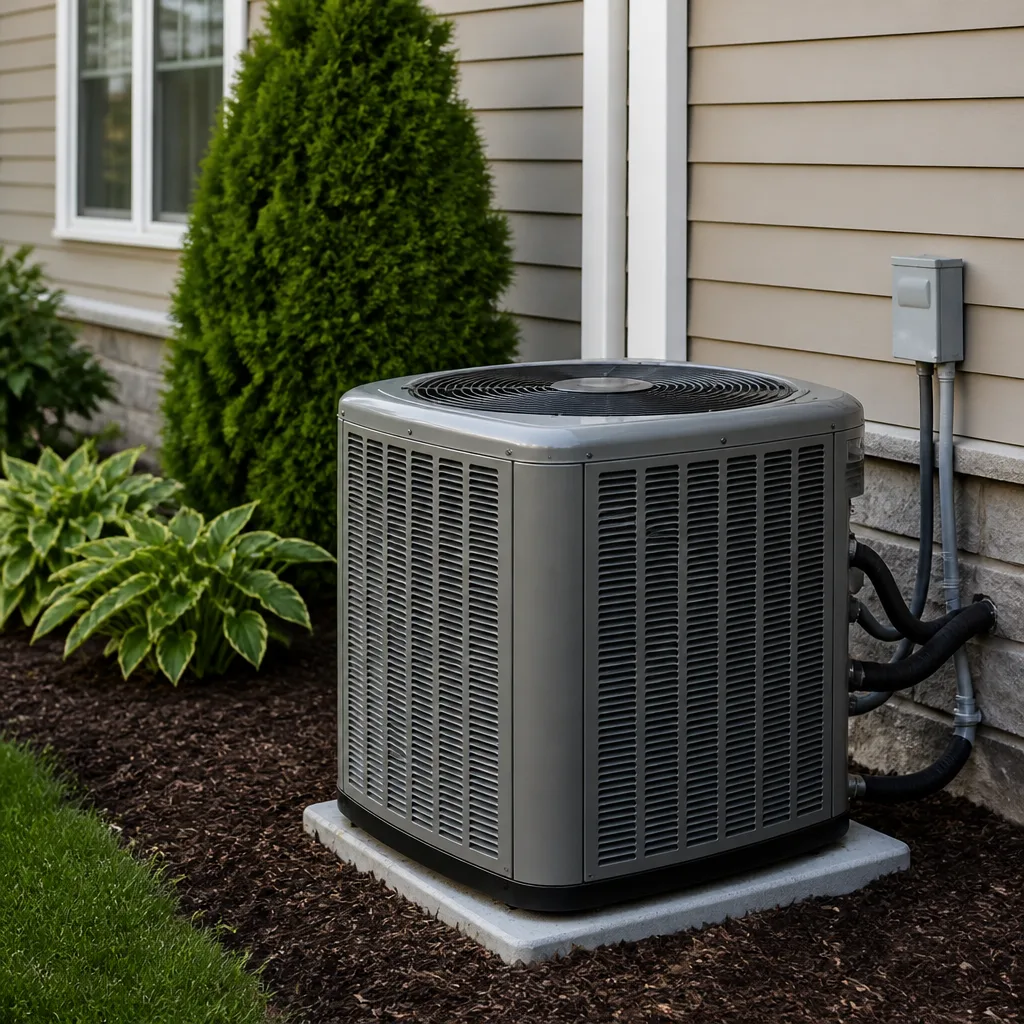 AC repair
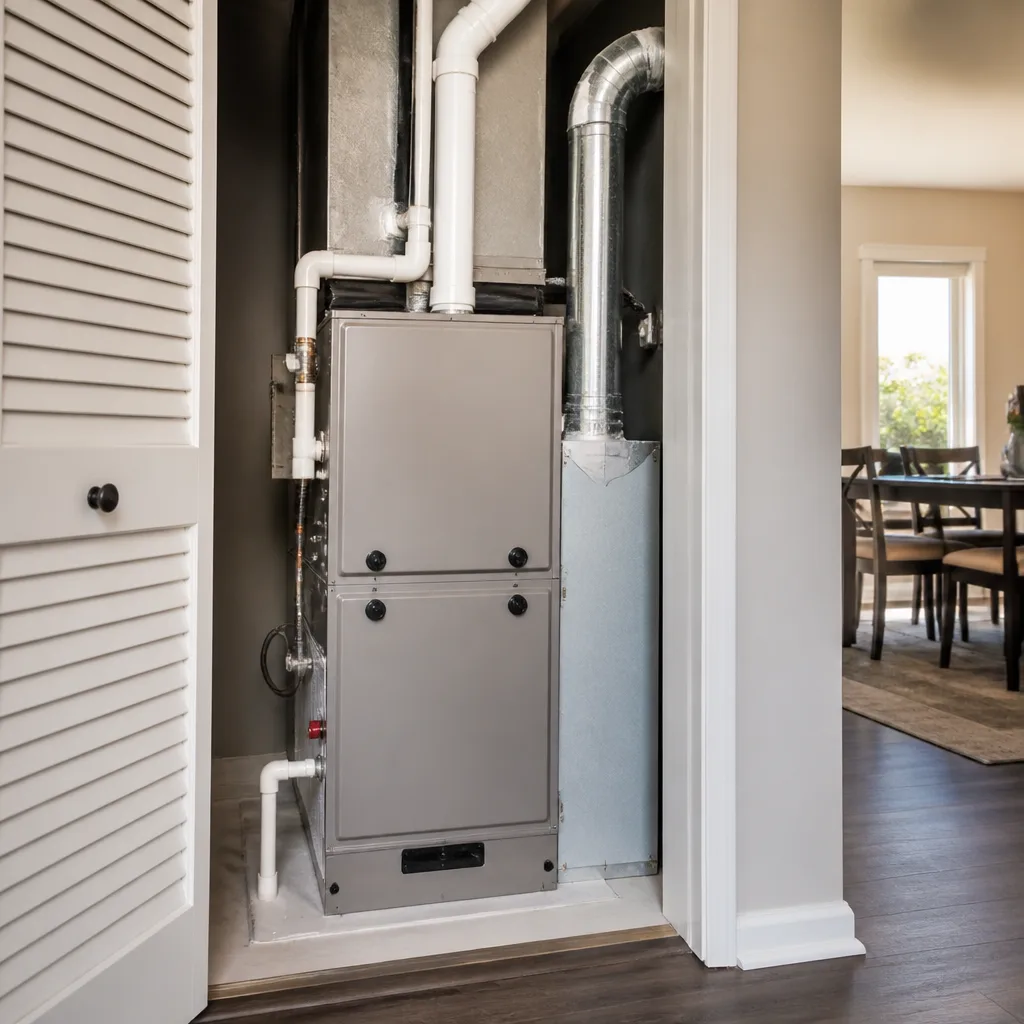 Furnace & heating
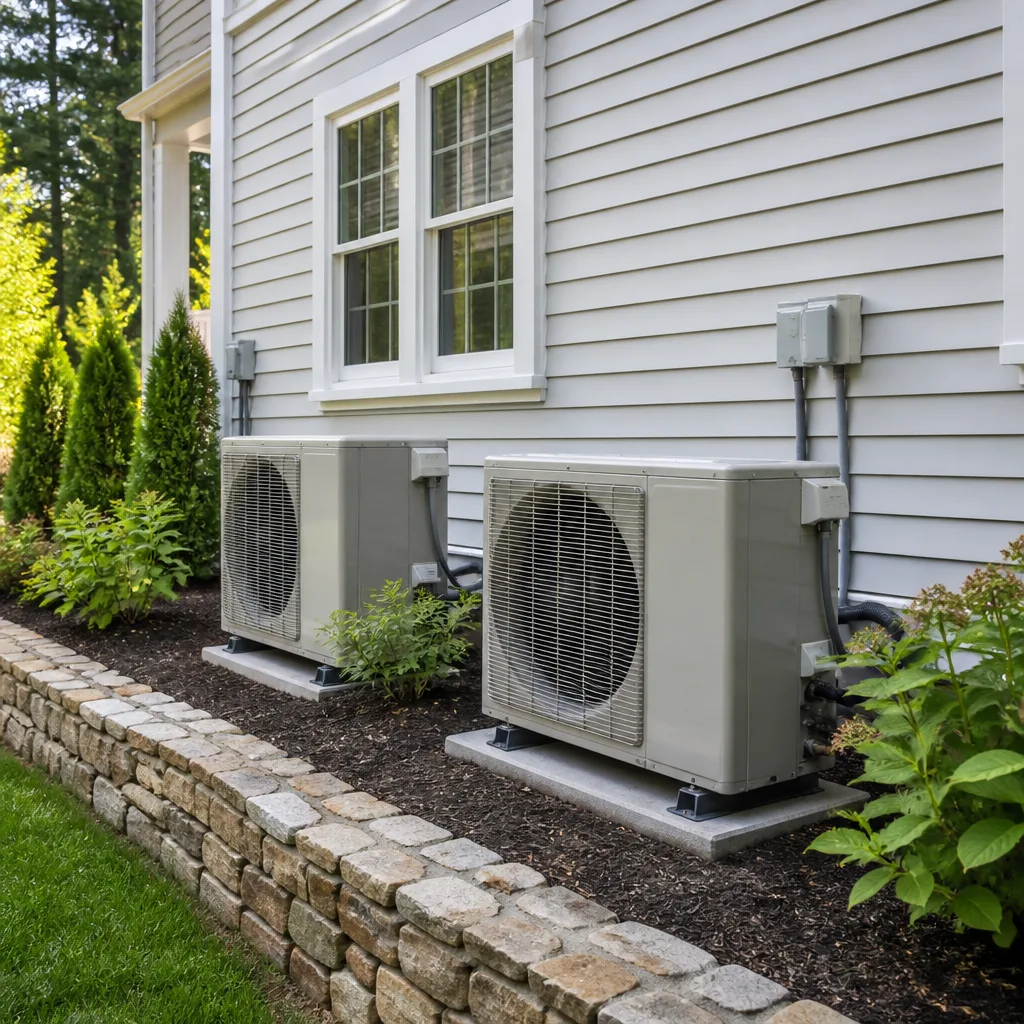 Heat pumps
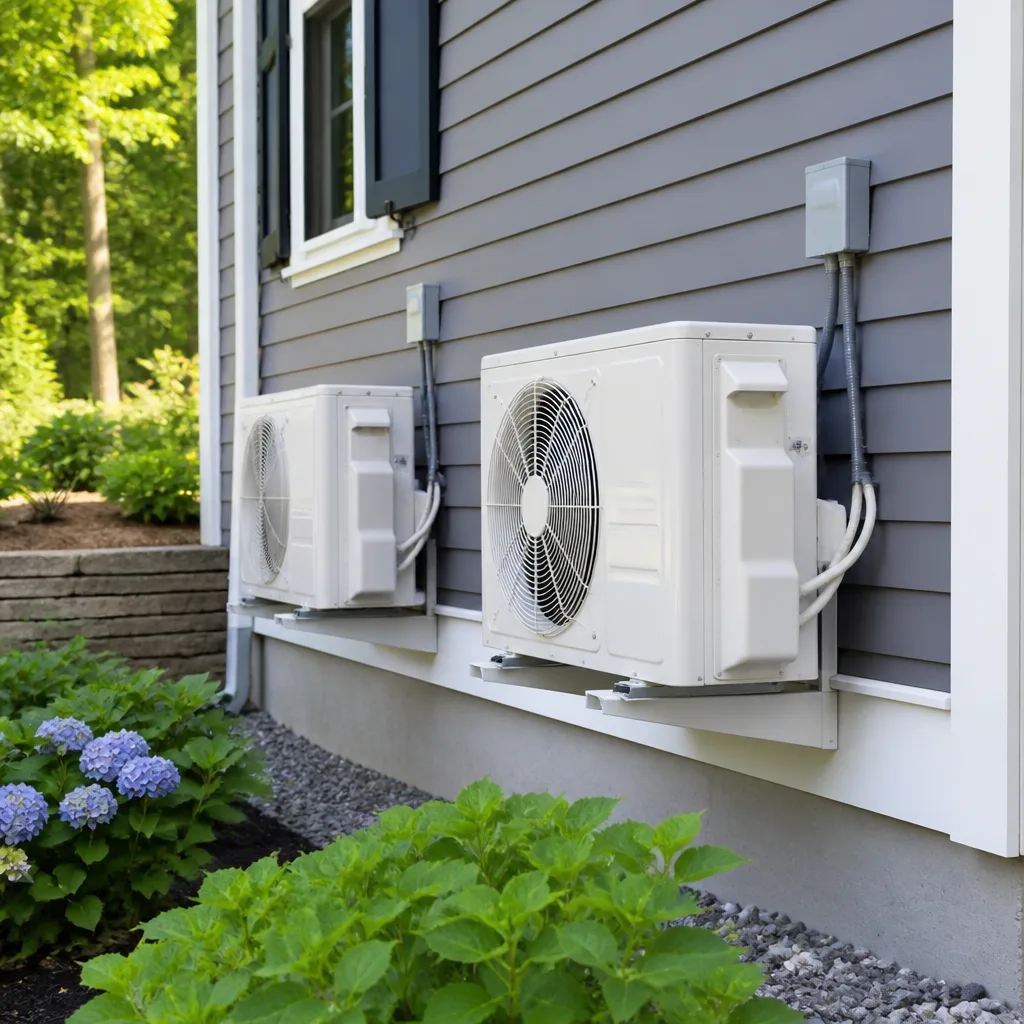 Ductless mini splits
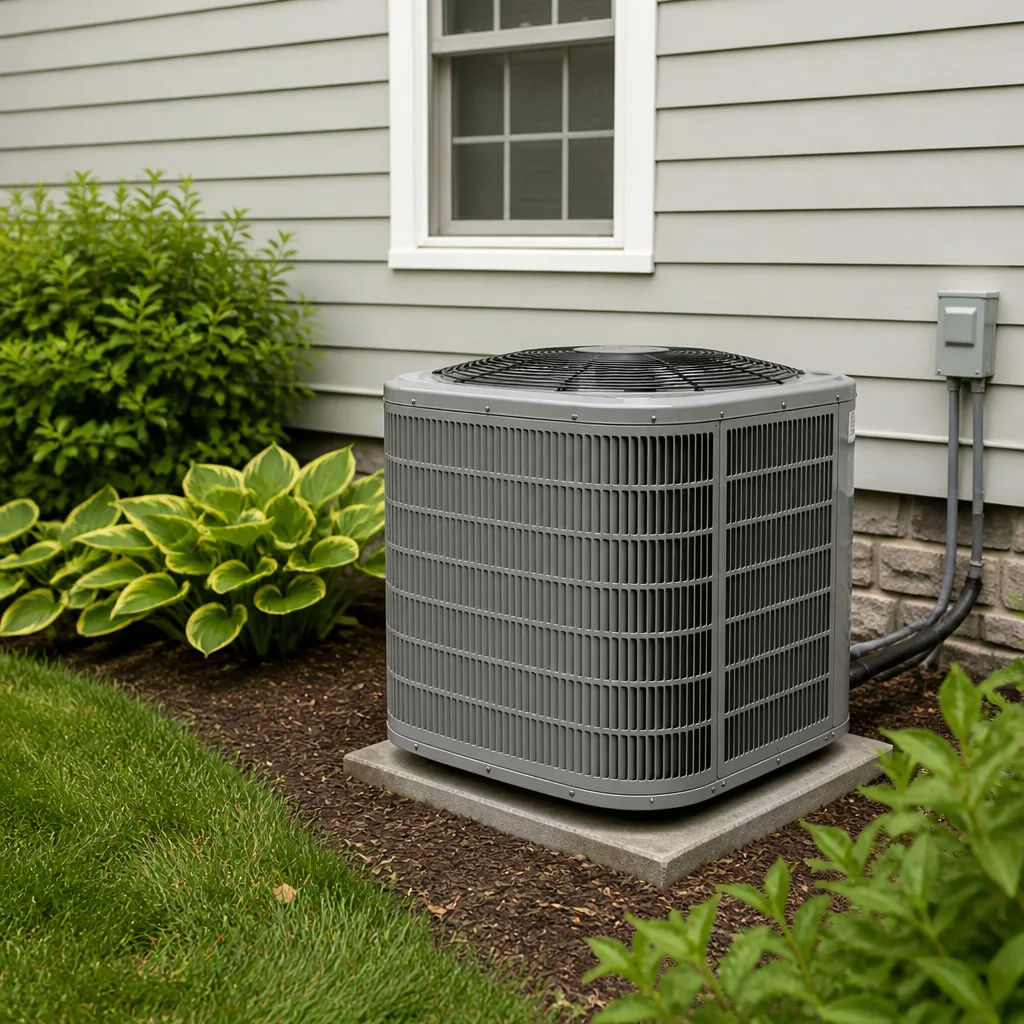 Carrier
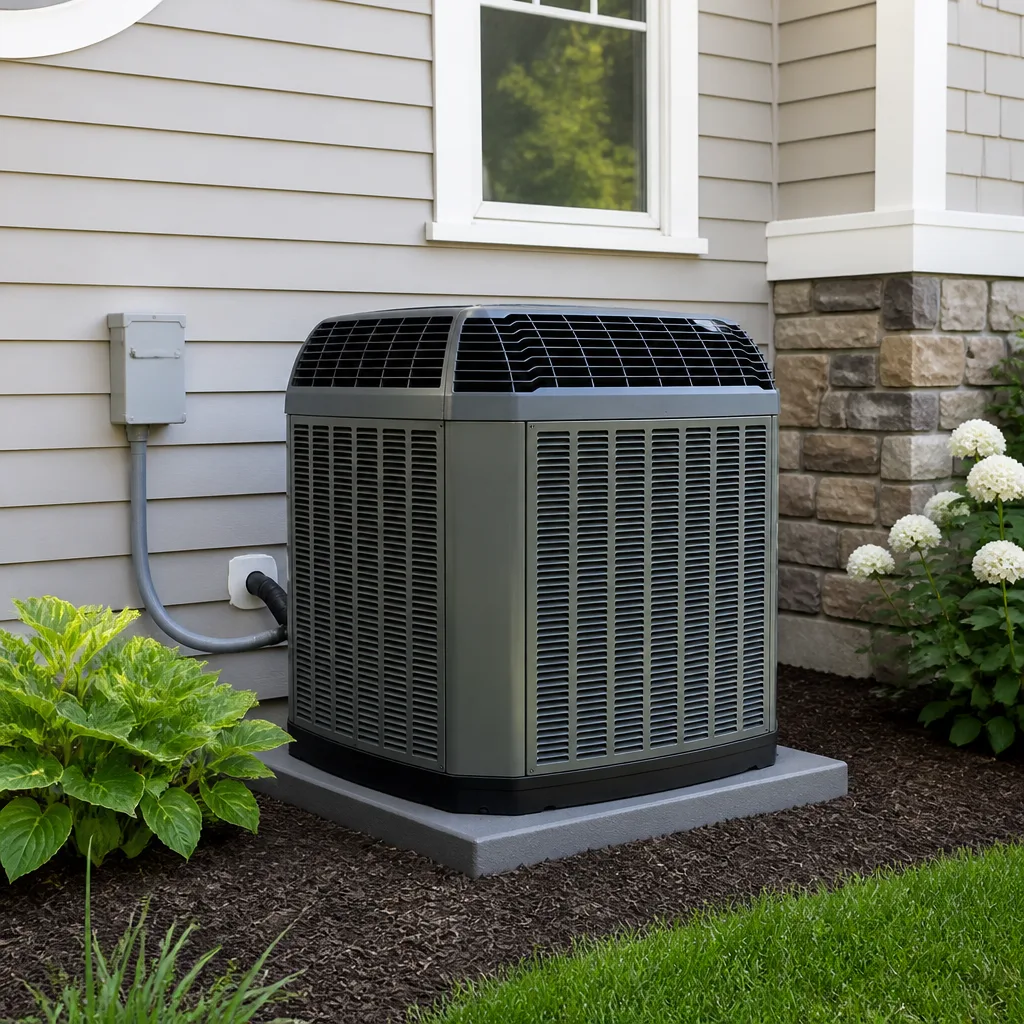 Trane
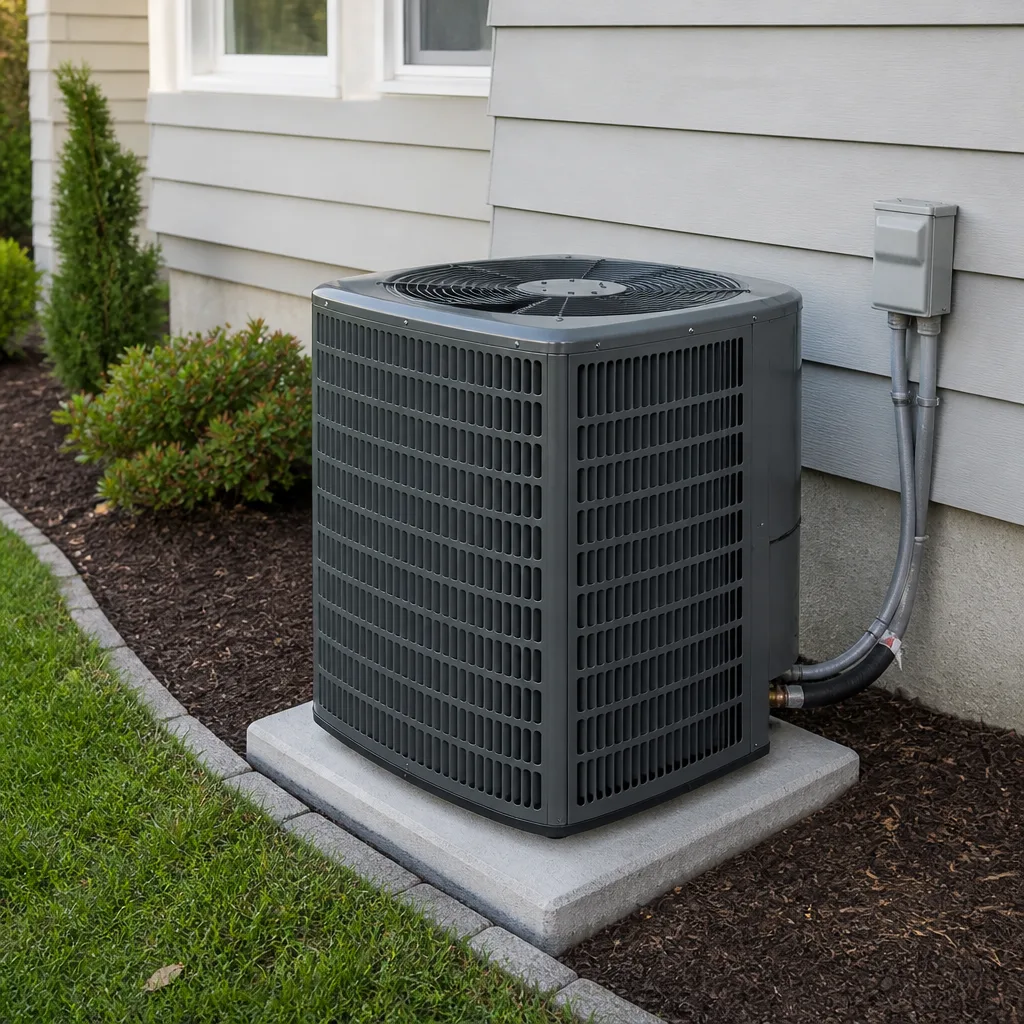 Goodman
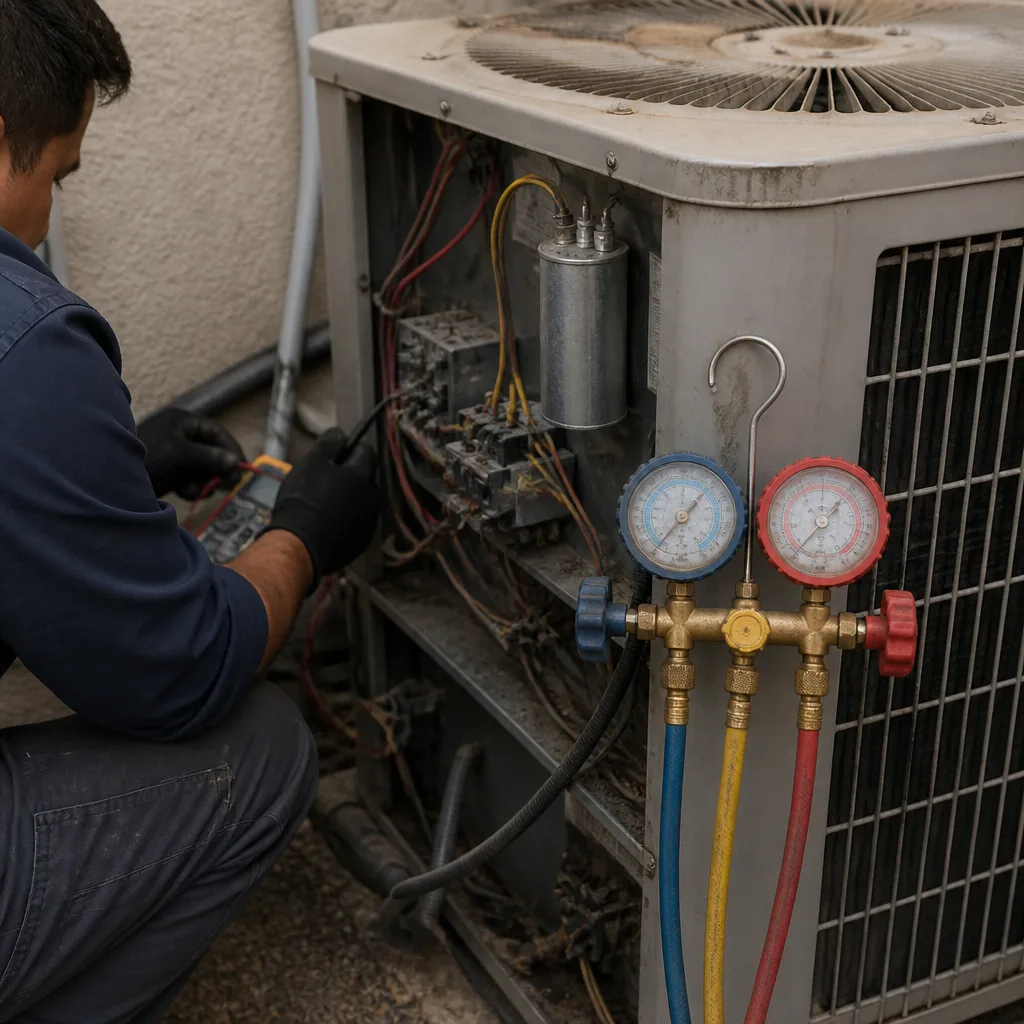
Seasonal tune-up and full diagnostic on your Carrier, Trane, or Goodman system - readings shown to you before any repair is proposed
Diagnosis first, numbers second - you approve the repair price before a single part goes in.
Get your free estimateAC Installation Maintenance Checklist for Sunrise Manor Homeowners
A new AC unit installed perfectly in May can underperform by August if nobody told the homeowner that desert dust clogs a fresh filter in six weeks instead of three months. That gap between a clean installation and a system that actually performs is where most cooling problems in Sunrise Manor are born. Most checklists you find online are written for the technician holding the gauges, and they skip the homeowner’s side of the work entirely. This guide is the other half. We’ll walk you through what to physically verify before the installer leaves your driveway, then hand you a time-stamped record of what you need to do at 30, 90, 180, and 365 days after the install. Nothing generic. Desert-specific, brand-specific where it matters.
Quick Answer
After a new AC installation in Sunrise Manor, verify these four things before the installer leaves: refrigerant charge confirmed by weight or subcooling (not a verbal “it’s charged”), a recorded static pressure reading, a calibrated thermostat, and a condensate drain that drains freely. Then change the filter at 30 days, inspect the pad and outdoor unit at 90 days, have the system checked at 180 days, and schedule a full tune-up at 365 days. Keep your permit close-out, serial number, warranty registration, and refrigerant type in one folder.
Styles & brands we work with
- AC repair
- Furnace & heating
- Heat pumps
- Ductless mini splits
- Carrier
- Trane
- Goodman
Table of Contents
- What to Verify Before the Installer Leaves
- The 30-Day Check
- Outdoor Unit Placement on Sunrise Manor Lots
- The 90-Day Inspection
- The 180-Day Midseason Check
- The 365-Day Tune-Up
- Brand-Specific First-Year Quirks
- Documentation to Keep
What to Verify Before the Installer Leaves
The first hour after installation is the only hour you have full leverage. Once the installer drives off, every correction becomes a return visit, and return visits take days to schedule. We’ve seen this pattern play out in Sunrise Manor dozens of times: the homeowner signs off, the system runs fine in spring, then fails in July when the first 110°F afternoon hits and a slightly undercharged system can’t keep up. Ask these questions while the tools are still out.
1. Refrigerant charge – confirmed, not assumed
A technician who says “the pressures are good” hasn’t told you anything measurable. Ask for the documented charge. On most systems, that means a subcooling reading or a weight-based charge recorded on the work order. The number matters less than the fact that they wrote it down. Ask what the target was and what they measured.
2. Static pressure reading
Static pressure tells you whether the blower is working against a duct system that’s too restrictive. A new unit pushing against undersized or leaking ducts will run hot, short-cycle, and wear out early. Ask for the reading in inches of water column. If the installer didn’t take one, that’s worth a follow-up call before the system settles into whatever condition it’s in.
3. Thermostat calibration
A thermostat that reads 2 degrees warmer or cooler than the actual room temperature will run your system longer or shorter than it should. Ask the installer to verify the thermostat against a real thermometer reading taken at the same spot. This is a two-minute check that nobody thinks to ask for.
4. Condensate drain test
Pour water into the drain pan or the primary drain and watch it exit. Confirm the float switch is working by gently testing it. In Sunrise Manor, a failed condensate drain in mid-July can overflow into a ceiling or a closet within a day.
5. Airflow verification at every register
Walk the house with the installer and feel airflow at each supply register. Note any room that feels noticeably weaker. That’s the first clue the duct system may need attention, and it’s always easier to flag it on install day than six months later.
The 30-Day Check
Change the filter at the 30-day mark. In Sunrise Manor, that first change is not really about dust loading – it’s about installation debris. Drywall dust, insulation fibers, and fine construction grit from a replacement job all get pulled straight into the air handler. A filter that looks like it’s been running for a year at 30 days is common, and if you wait the standard three months on this first cycle you’ll be moving that debris load through the blower and evaporator coil.
Here’s what to actually do at day 30:
- Turn the system off at the thermostat.
- Pull the filter and inspect it under light. Drywall dust looks like white or gray powder. Insulation fibers look like fine fuzz. Either is installation residue, not normal wear.
- Replace the filter with the same size and MERV rating the installer specified. Don’t go up in MERV without confirming the blower can handle the extra restriction.
- Look inside the return plenum for loose debris. If you see visible chunks, don’t vacuum them yourself – call and have the installer come back to do it.
- Note the date you changed it on a piece of tape on the filter cover. That’s your timer for the next change.
- Check the outdoor unit’s pad area for debris that fell during installation. Insulation scraps and packaging bits get stuck under the cabinet.
If the first filter change doesn’t look dirty at all, ask whether the system was run during the installation process (some techs test before the ductwork is fully sealed). A too-clean filter at 30 days can mean the system didn’t actually run and the initial charge or calibration hasn’t been verified under real load.
Outdoor Unit Placement on Sunrise Manor Lots
Where the outdoor condenser sits matters in Sunrise Manor in a way it doesn’t in most of the country. A pad on the western or southern exposure of the house takes direct afternoon sun from April through October, and the near-constant summer sun keeps the cabinet surface far hotter than ambient air. That temperature load forces the compressor to work harder to reject heat, and in our experience it shows up as longer run times and higher electricity bills even when the system is technically running fine.
Three things to look at, ideally before the pad is set – and certainly within the first 90 days:
- Afternoon shade. A wall, a mature tree, or a shade structure that puts the unit in shadow from roughly 2pm onward will take measurable load off the compressor. Shading the unit without blocking airflow is the goal – never box it in.
- Clearance. Most manufacturers call for at least 12 inches of clear space on the sides and several feet above the fan. Sunrise Manor walls get hot enough that a unit shoved tight to a stucco wall will recirculate its own hot discharge air.
- Pad level and elevation. A pad that tilts lets the compressor run slightly off-axis, and pooled water from a monsoon storm should never sit under the cabinet. Ask for the pad to be level and slightly above grade.
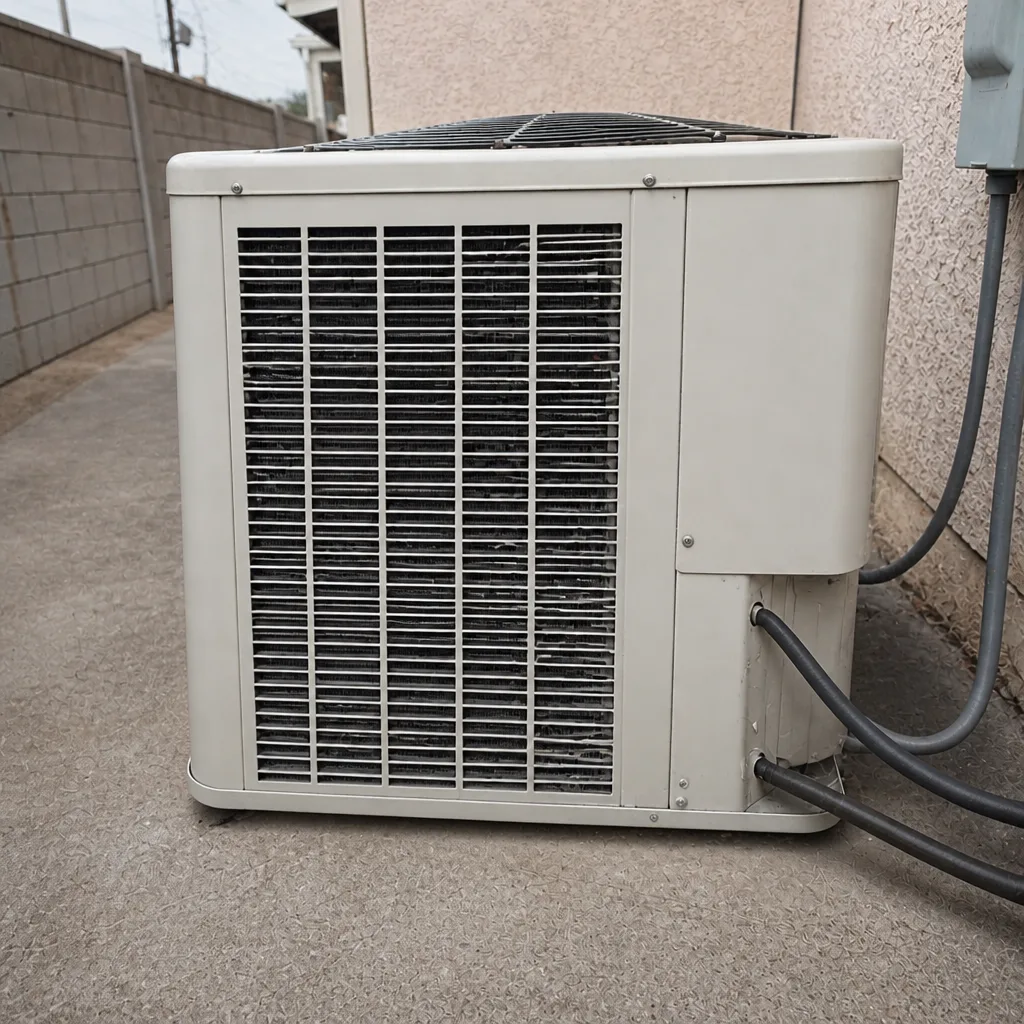
If your only viable spot is the west-facing wall, talk to us before install. There are ways to work with a hot exposure – a small shade sail on a frame, for instance, or careful orientation of the fan discharge – that don’t require re-plumbing the line set. A AC installation plan that ignores pad placement usually costs more over the equipment’s life than it saves on the initial job.
The 90-Day Inspection
At 90 days, the system has seen real load. That’s the first point in the year where underperformance shows up in a way you can actually notice. Walk outside and do this inspection on a hot afternoon, not a mild morning.
- Listen at the outdoor unit. A steady, even hum is normal. Any rattle, ticking, or a compressor that starts and stops in short bursts is worth a call.
- Feel the air at the outdoor fan. It should be noticeably warm – that’s heat being rejected. Cool discharge air means something is wrong.
- Check the insulation on the suction line. The thicker line running from the outdoor unit to the house should be cold to the touch and its insulation should be intact. Cracked or missing insulation in a Sunrise Manor summer means the refrigerant is absorbing attic heat before it reaches your coil.
- Inspect the pad and cabinet base. Blowing desert dust and wind-driven grit collect under the cabinet. Clear it with a soft brush.
- Feel airflow at every register again and compare to your 30-day notes. Weakening flow in a specific room usually points to a duct issue, and it’s worth knowing about before the hottest month.
- Check the condensate drain line by pouring a cup of water into the cleanout. It should drain within seconds. If it’s slow, the line has algae forming and needs a flush.
- Change the filter if it’s loaded. In Sunrise Manor’s dust, the 90-day filter interval from the manufacturer is often a 60-day interval in practice during a high-dust year.
This is also the 90-day point where you should pull out the manual and confirm any warranty-specific maintenance requirements. Some manufacturers require documented annual service to honor the compressor warranty – a stack of dated filter-change photos on your phone is worth having if you ever need to call it in.
The 180-Day Midseason Check
At 180 days, you’ve either made it through a full Sunrise Manor summer or you’re about to. This check is the dress rehearsal.
Run the system in cooling mode on a hot afternoon for at least an hour, then do this:
- Measure the temperature split. Place a thermometer at a return grille and another at the nearest supply register. A healthy system shows roughly 15 to 20 degrees of cooling between the two. Noticeably less means it’s time for a professional look.
- Check for ice on the outdoor unit’s suction line. Frost on the copper line means low refrigerant or restricted airflow. Turn the system off and call – running a frosted system damages the compressor.
- Look at the air handler drain pan if you can safely see it. Standing water or algae growth is a sign the drain needs professional cleaning before it overflows.
- Compare notes from 90 days. Filter frequency, register airflow, and sounds at the outdoor unit all should be stable. Any drift is worth noting.
- Check the thermostat’s schedule and set points. Sunrise Manor homes often drift into long overnight run times in August because the set point got bumped during a hot week and never reset.
This is the point in the year where we most often get calls that start with “it was running fine until August.” Usually the system wasn’t running fine – it was running under conditions nobody was watching. A 180-day check catches those conditions while there’s still time to fix them at normal pricing.
The 365-Day Tune-Up
At one year, you’re due for a proper annual service. This is the visit where a technician checks refrigerant charge, cleans the condenser coil (which in Sunrise Manor will pick up a visible layer of desert dust over twelve months), verifies static pressure hasn’t drifted, tests the capacitors on both the compressor and the blower motor, and looks at the contactor for pitting.
Two things to get right about the annual tune-up:
- Schedule it before summer, not after. Most Sunrise Manor homeowners wait until the first hot week to call, which is when everyone else is calling too. Booking in spring means you can actually get on the calendar.
- Get the written report. Ask for the specific numbers – static pressure, subcooling, superheat, amp draw on the compressor. Numbers you can compare year over year are how you spot the slow degrades before they become a breakdown.
Your annual visit is also the natural time to talk about whether repair or replacement makes more sense for the equipment going forward. We’ll tell you honestly whether the system has years of life left or is heading for a costly middle. That conversation belongs with the same company that installed the unit, which is why we cover the full lifecycle – furnace repair, furnace replacement, and AC work – rather than passing you along to a different contractor when the equipment starts aging out.
Brand-Specific First-Year Quirks
We work on nine major manufacturers – Carrier, Trane, Lennox, Goodman, Rheem, York, Daikin, Bryant, and American Standard – and the first-year quirks are not identical across them. If your install was a AC Repair Sunrise Manor job on one of these, here’s what we watch for in the first twelve months.
Carrier. Modern Carrier systems are reliable out of the box, but the communicating thermostat some models ship with has a habit of wanting a firmware check during the first summer. If the display freezes or drops its schedule, that’s usually a thermostat-side issue, not a system issue. Ask for this to be verified at the 90-day mark.
Lennox. Lennox condensers run a bit quieter than the average, which is nice, but it can also mask a fan motor starting to drag. At each seasonal check, listen specifically for the fan motor at startup – a slow spin-up on a Lennox is often the first hint of a failing capacitor.
Goodman and Daikin. These two share a lot of engineering, and both are known for solid compressors paired with basic controls. The first-year issue we most often see is minor – a contactor that gets a bit of dust on the points in Sunrise Manor’s dusty air. It’s a cheap part, and it’s a reason to open the panel at the annual visit rather than assume everything inside is fine.
Whatever brand is on your pad, the annual report should include the specific parts inspected, not a line item that says “checked system, all good.” Ask for the detail. If you’re not sure which brand you have, the model number on the outdoor unit tells you – and one call covers all nine.
Documentation to Keep
The paperwork from an install day is the single most valuable folder in your house for the next 10 to 15 years. Four documents specifically:
- Permit close-out. Most jurisdictions require a permit for AC replacement, and the inspection sign-off proves the work was done to code. If you ever sell the home, a missing close-out becomes a negotiation problem, and in some cases a disclosure problem. Keep the signed closure with your closing documents.
- Equipment serial numbers. Both the outdoor condenser and the indoor air handler have their own serial numbers stamped on the data plate. Photograph both plates on install day – the label fades in the desert sun within a few years, and future warranty calls depend on having the number readable.
- Warranty registration confirmation. Most manufacturer warranties require online registration within a set window, and it’s the homeowner’s responsibility, not the installer’s. Get the confirmation email, save it to a cloud folder, and print one copy.
- Refrigerant type. Most systems installed today use R-410A, but newer equipment is switching to R-454B, and the two are not interchangeable. Refrigerant shortages and pricing swings hit different types differently. Knowing which refrigerant your system uses tells a future technician which recovery equipment and charge they need before they arrive.
Add to the folder: the original estimate, the final invoice, and the static pressure and charge readings from install day. When HVAC service in Sunrise Manor changes hands in the future – and it will, over the life of your equipment – a single folder of these documents saves you more money than any one service visit.
Common Mistakes to Avoid
- Skipping the 30-day filter change because the installer said 90 days. The installer was right about the steady-state interval and wrong about the installation debris. The first change is always sooner.
- Letting stucco walls or a patio block the condenser’s airflow. Sunrise Manor homes often get enclosed with a decorative wall after the fact. Shade the unit, yes; box it in, never.
- Not photographing the data plates on install day. The serial labels fade to unreadable in a few summers. Take the photos while the unit is new.
- Assuming the thermostat is accurate because it’s new. Calibration checks matter on new thermostats too, and nobody does them unless you ask.
- Filing the permit close-out in a drawer instead of the sale folder. It’s required at resale. If you can’t produce it, you’ll pay to have the city re-inspect.
- Waiting until the first hot week to book the annual tune-up. The calendar fills. Book in spring while there’s room.
- Replacing the filter with a higher MERV rating because more has to be better. High-MERV filters can choke a blower that wasn’t specified for them. Stay with the rating the installer chose.
See the difference
 Before
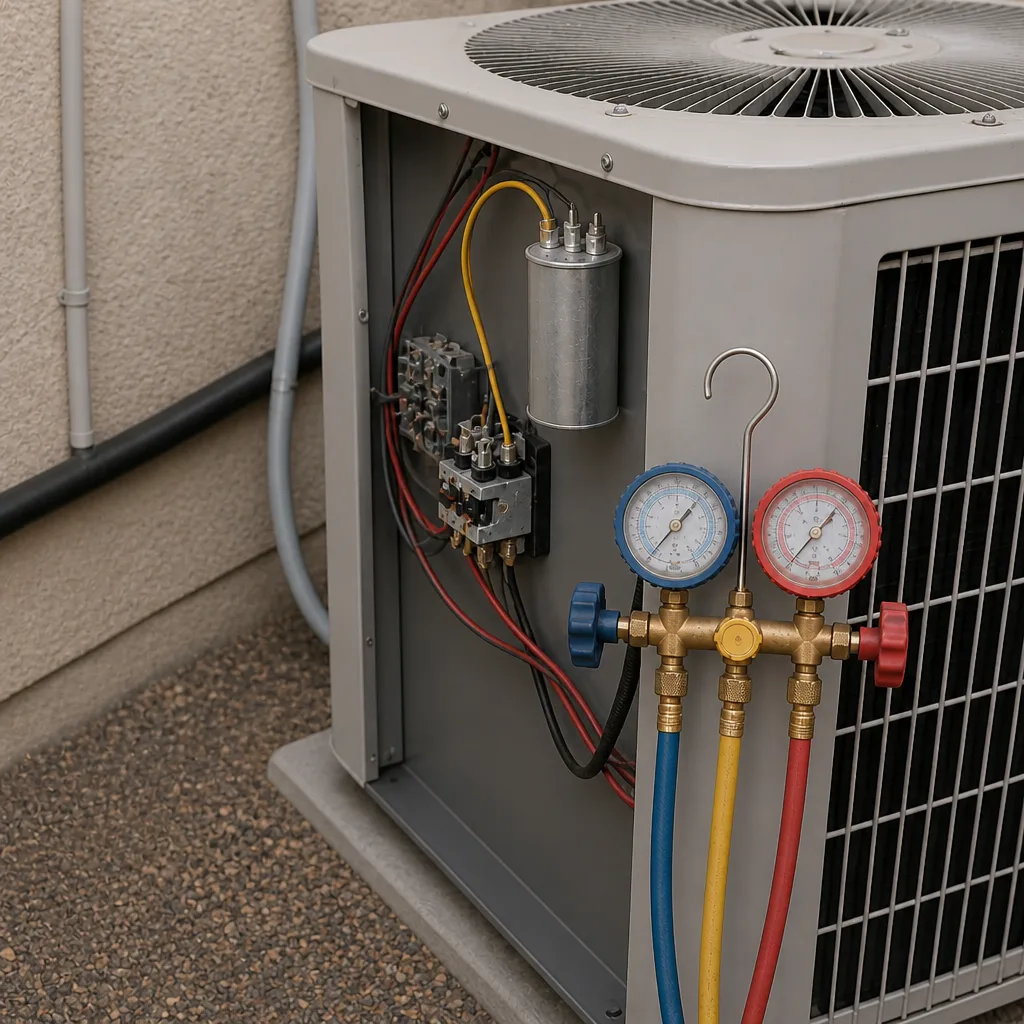 After
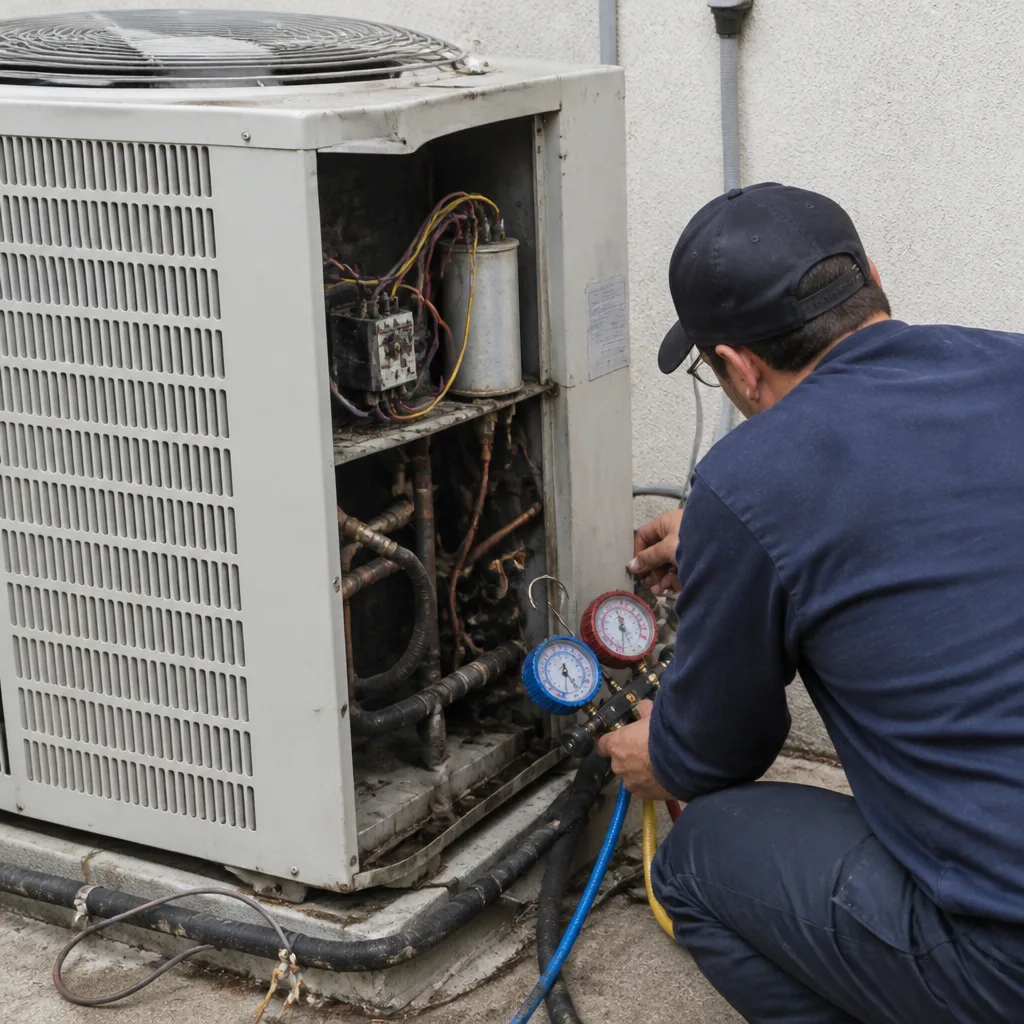 Before
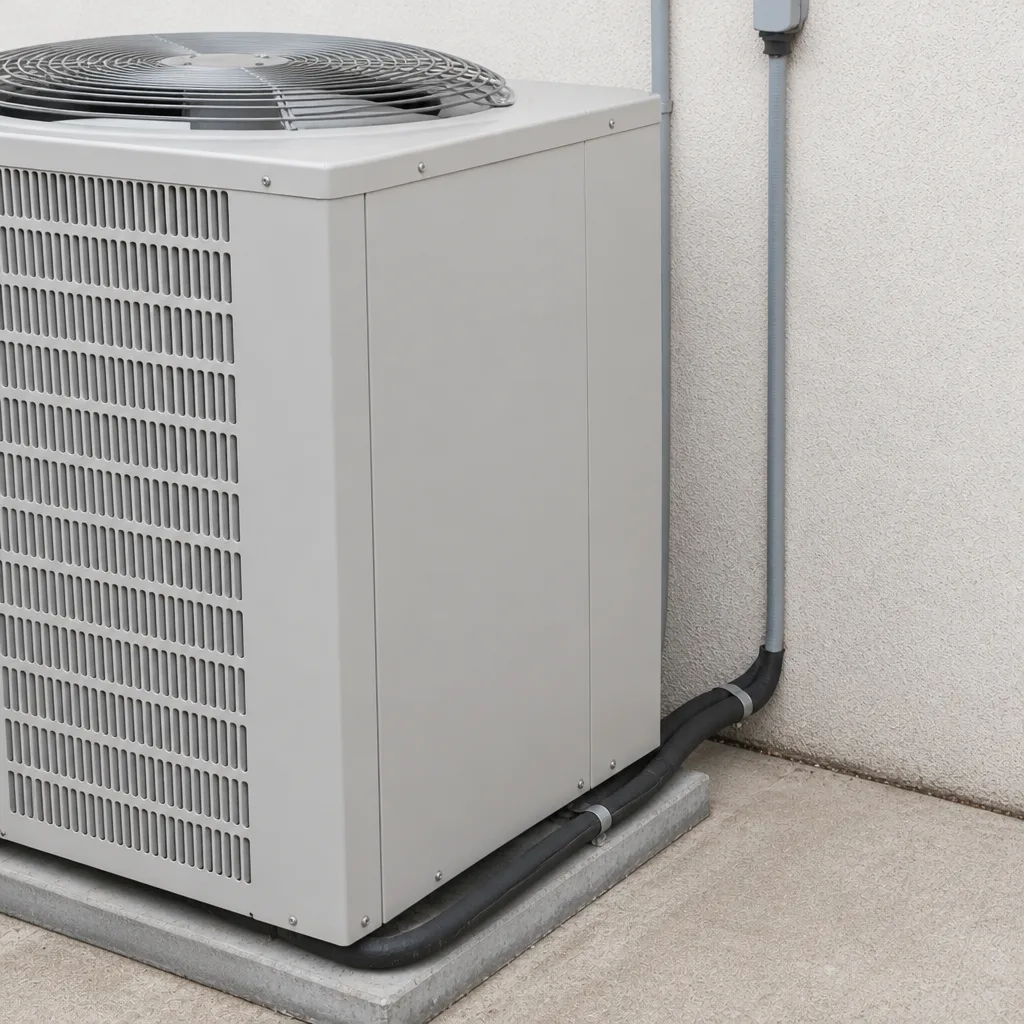 After
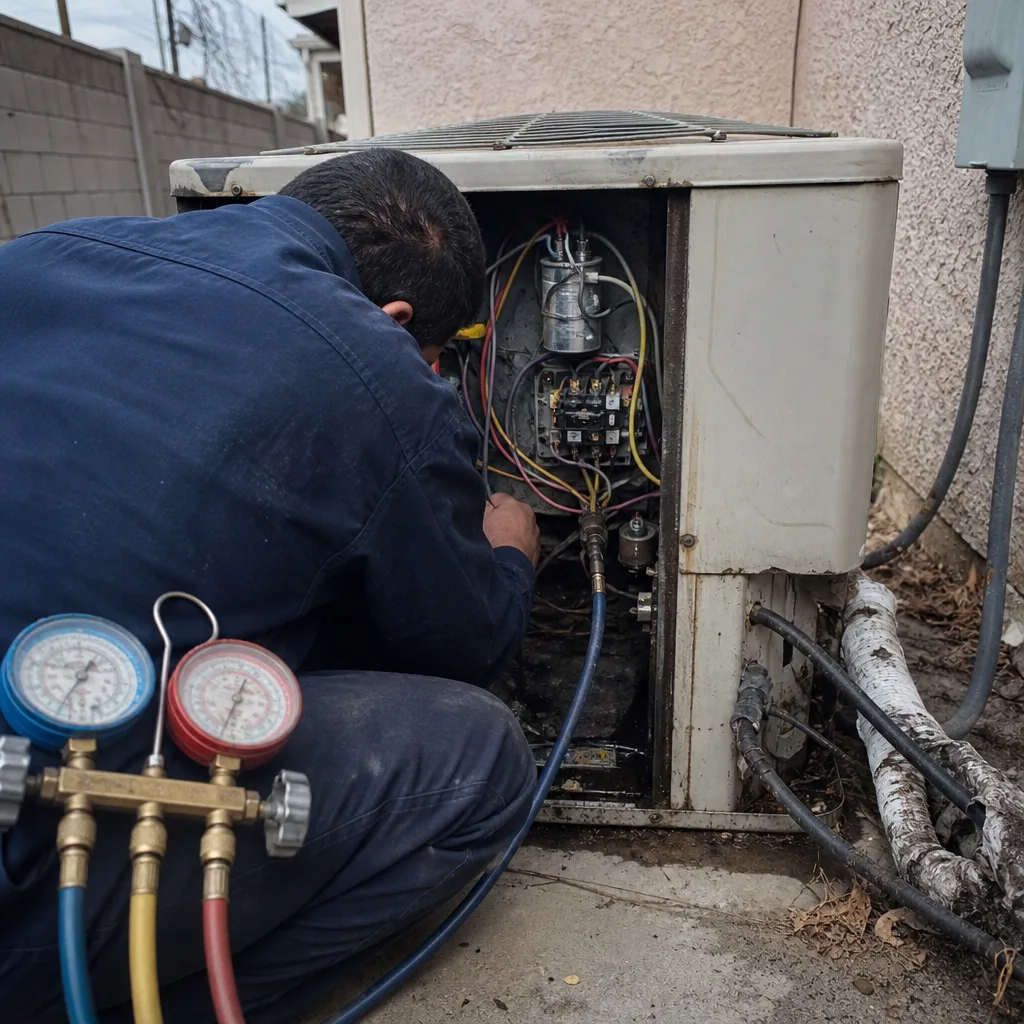 Before
 After
When to Call a Professional
Most of this checklist is yours to run. A few things belong with a technician every time. Call if you see frost or ice on the copper lines, if the outdoor unit shuts off in a short cycle and won’t stay running, if the temperature split drops below about 12 degrees, if you see water pooling around the air handler, or if your electric bill jumps more than a month-to-month seasonal shift accounts for. Also call if you can’t find the work order from install day – charge and pressure numbers can be re-taken, and the annual tune-up is the natural moment to establish a fresh baseline.
AC Repair Sunrise Manor offers free estimates in Sunrise Manor. Call (855) 356-3116. We answer 24/7. Fast dispatch from 7am to 7pm, Sunday through Friday. Our technicians have up to 10 years of experience, and we work on nine major brands – Carrier, Trane, Lennox, Goodman, Rheem, York, Daikin, Bryant, and American Standard – so one call covers whatever system is on your pad.
Frequently Asked Questions
Change it every 60 to 90 days during cooling season, and change it at 30 days for the first filter after a new installation. Sunrise Manor’s dust shortens the standard manufacturer interval, and the installation-debris cycle is shorter still. Call (855) 356-3116 if you want a technician to look at your filter housing and duct return.
Most jurisdictions require a permit for AC replacement, and the homeowner should confirm the requirement with the county or city building department before work begins. Ask your installer who is pulling the permit and get the signed close-out when the inspection passes. If the paperwork is missing, call us – we can walk you through what to request.
Most systems installed today use R-410A, and newer equipment is increasingly switching to R-454B. The two are not interchangeable and require different recovery equipment. Confirm the type on the data plate and keep it in your records – it matters when the system eventually needs service.
Yes, with care. Shade from a wall, tree, or shade structure on the western exposure reduces load on the compressor during the hottest part of the day. The unit still needs 12 inches of clearance on the sides and several feet of clear space above the fan – shading must never block airflow.
You can, but the compressor warranty usually asks for documented service, and the tune-up is where slow degrades get caught. The written report from the visit is worth having on hand if a warranty question ever comes up. Call (855) 356-3116 to book one – estimates are free.
Measure the temperature split: about 15 to 20 degrees between the return and the nearest supply is normal. Frost on the outdoor copper line, short cycling, or a dropping split are signs something needs professional attention. Call us for a same-day look when the split drops below about 12 degrees.
The Bottom Line
Your new system’s first year is when its long-term performance gets decided. The install day verification (charge, static pressure, thermostat, drain test) sets the baseline. The 30-day filter change catches installation debris. The 90-day, 180-day, and 365-day checks catch drift before it becomes breakdown. Keep four documents – permit close-out, serial numbers, warranty registration, and refrigerant type – in a folder, and photograph the data plates on day one. Do the small pieces yourself; hand the rest to a technician. If you’re in Sunrise Manor and want a free estimate on install, tune-up, or a repair-or-replace decision, call (855) 356-3116. We answer 24/7. Fast dispatch from 7am to 7pm, Sunday through Friday.
Written by the team at AC Repair Sunrise Manor.