
Last updated November 15, 2026
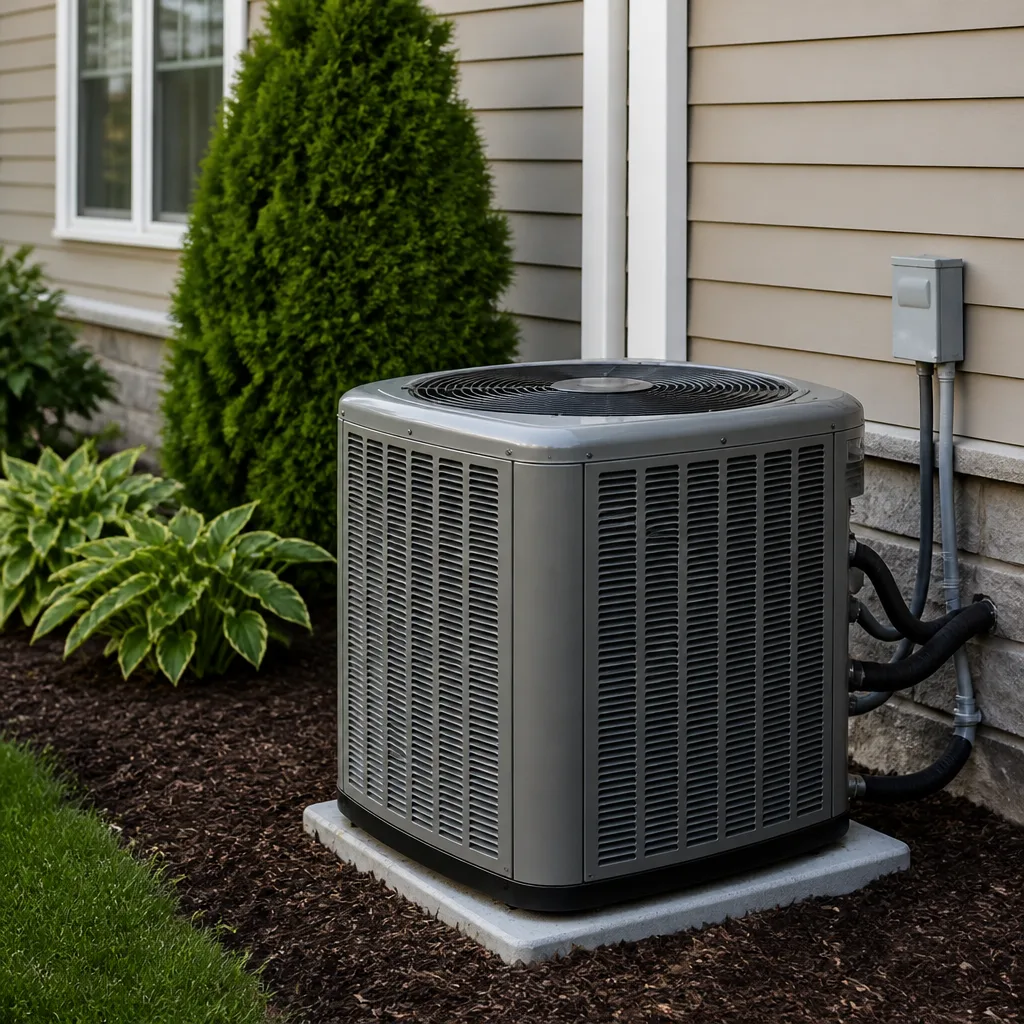 AC repair
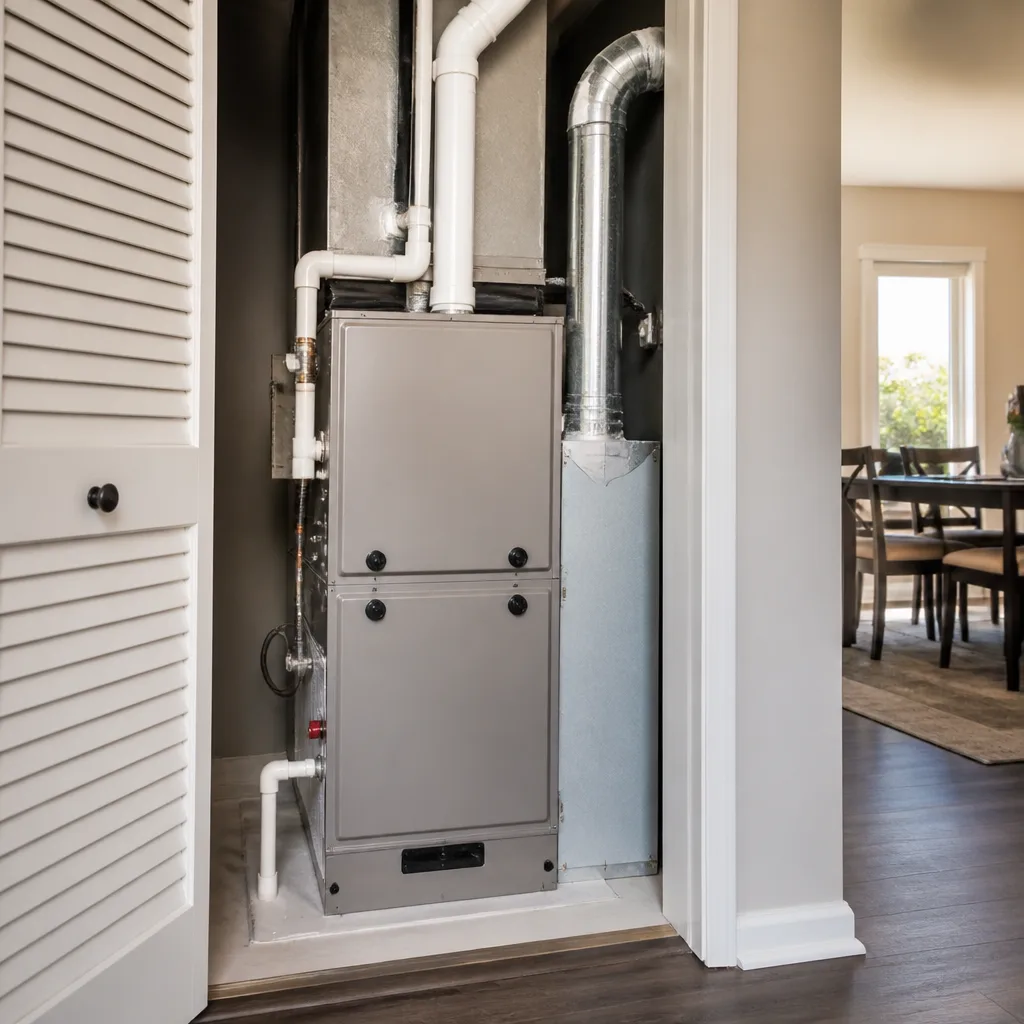 Furnace & heating
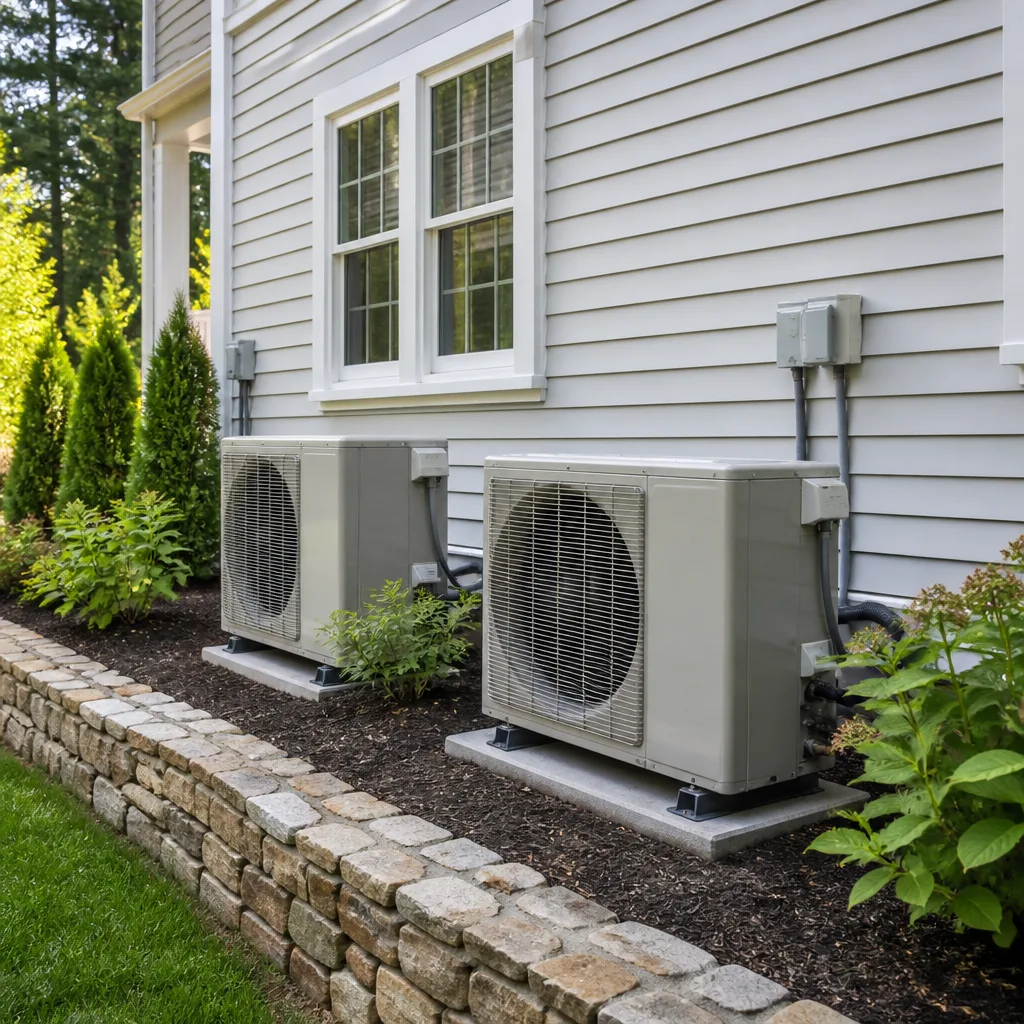 Heat pumps
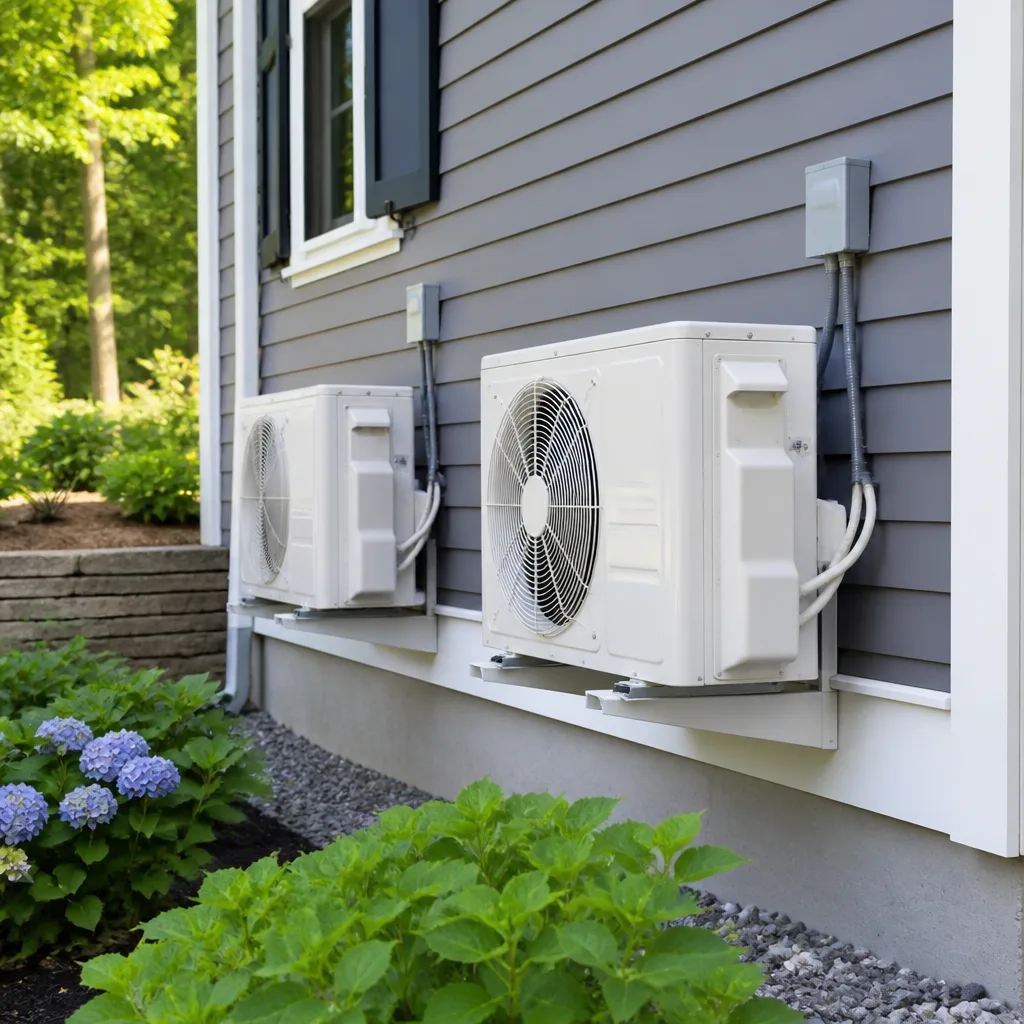 Ductless mini splits
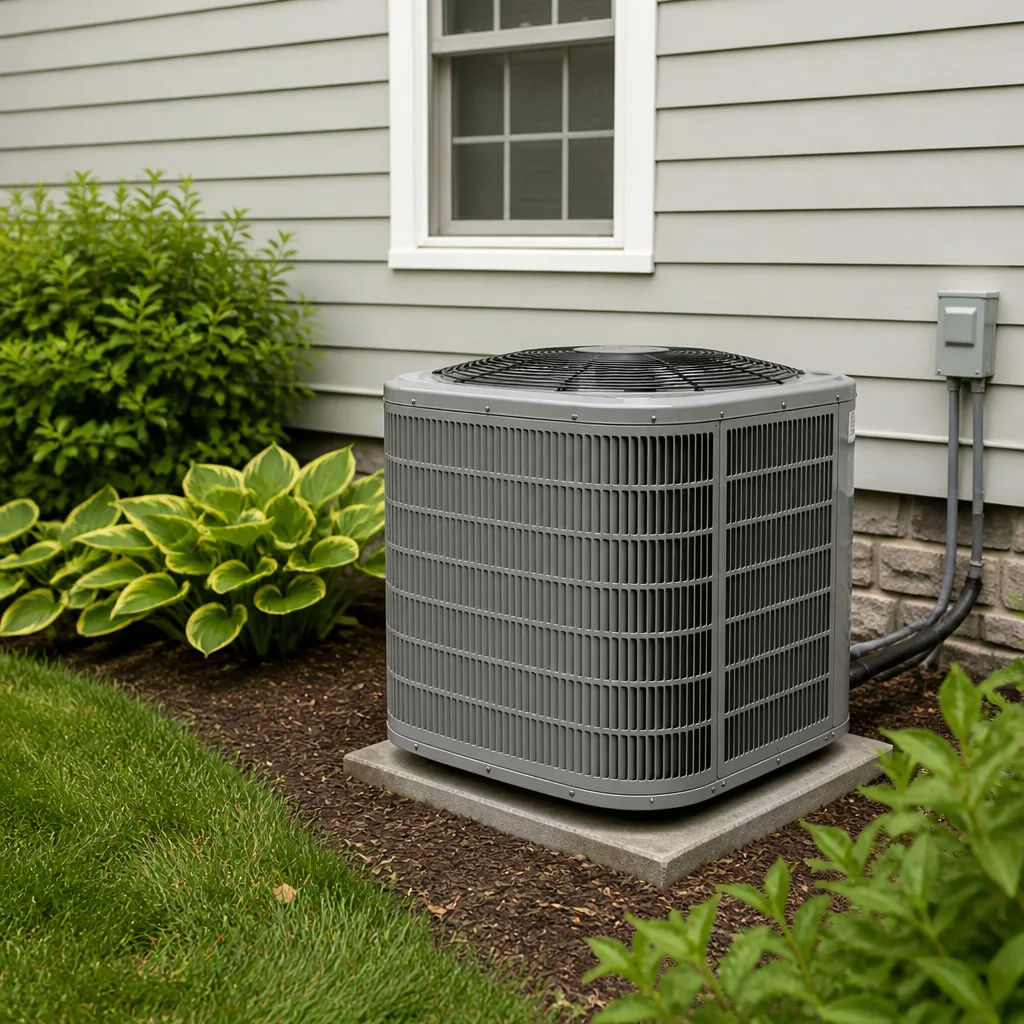 Carrier
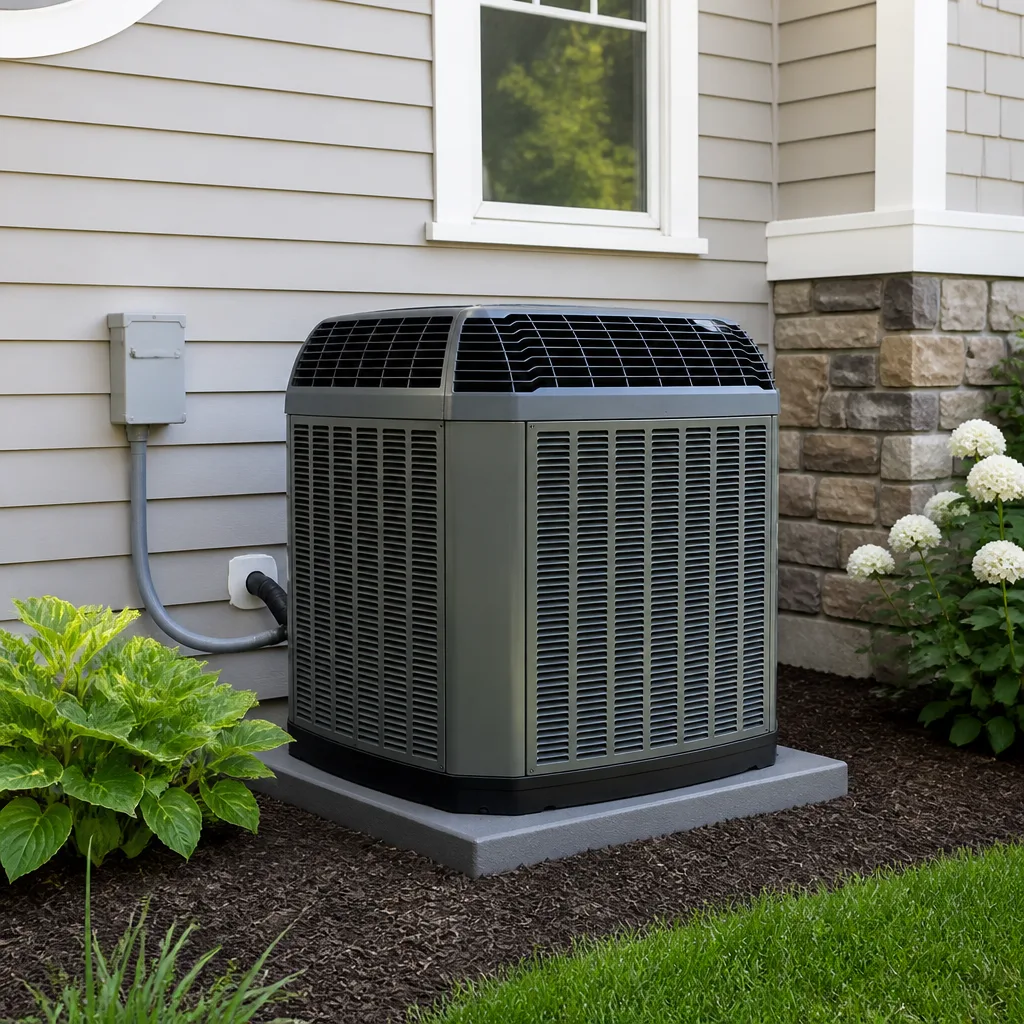 Trane
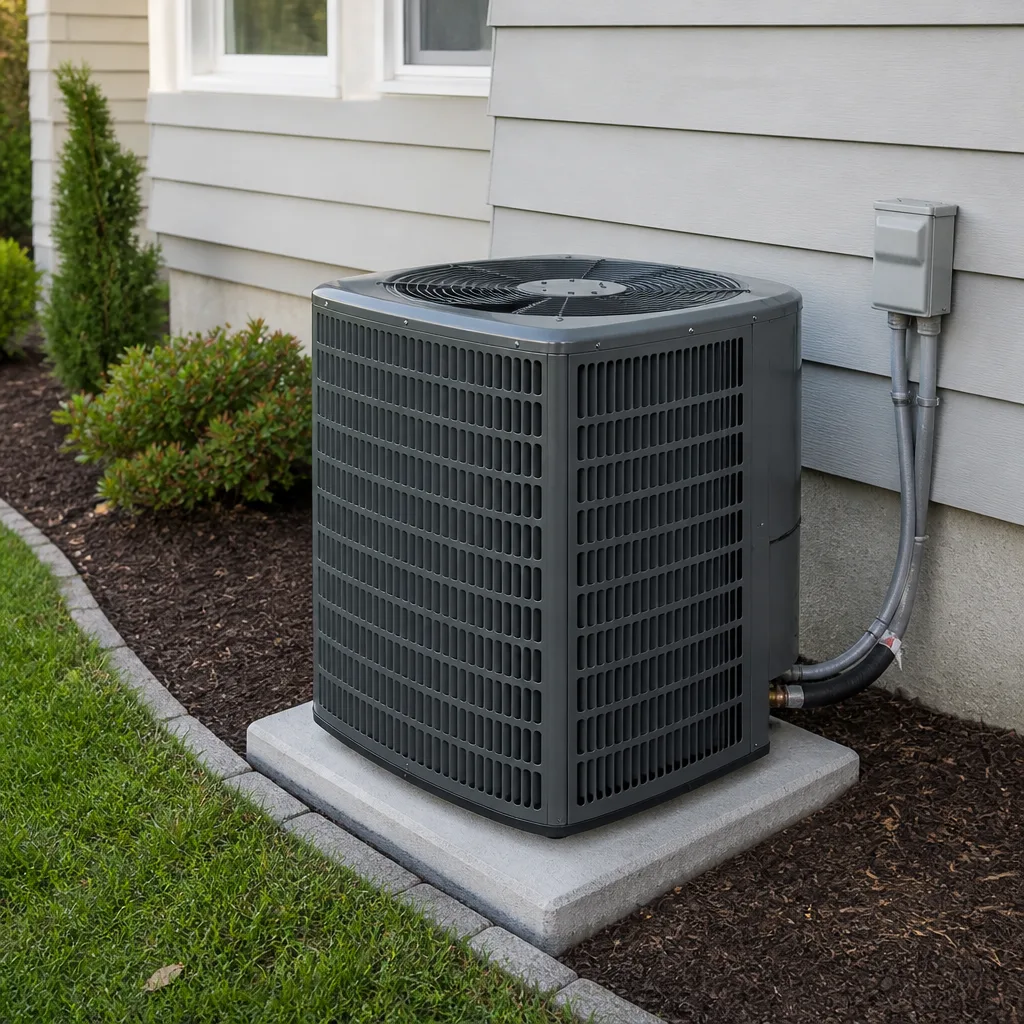 Goodman
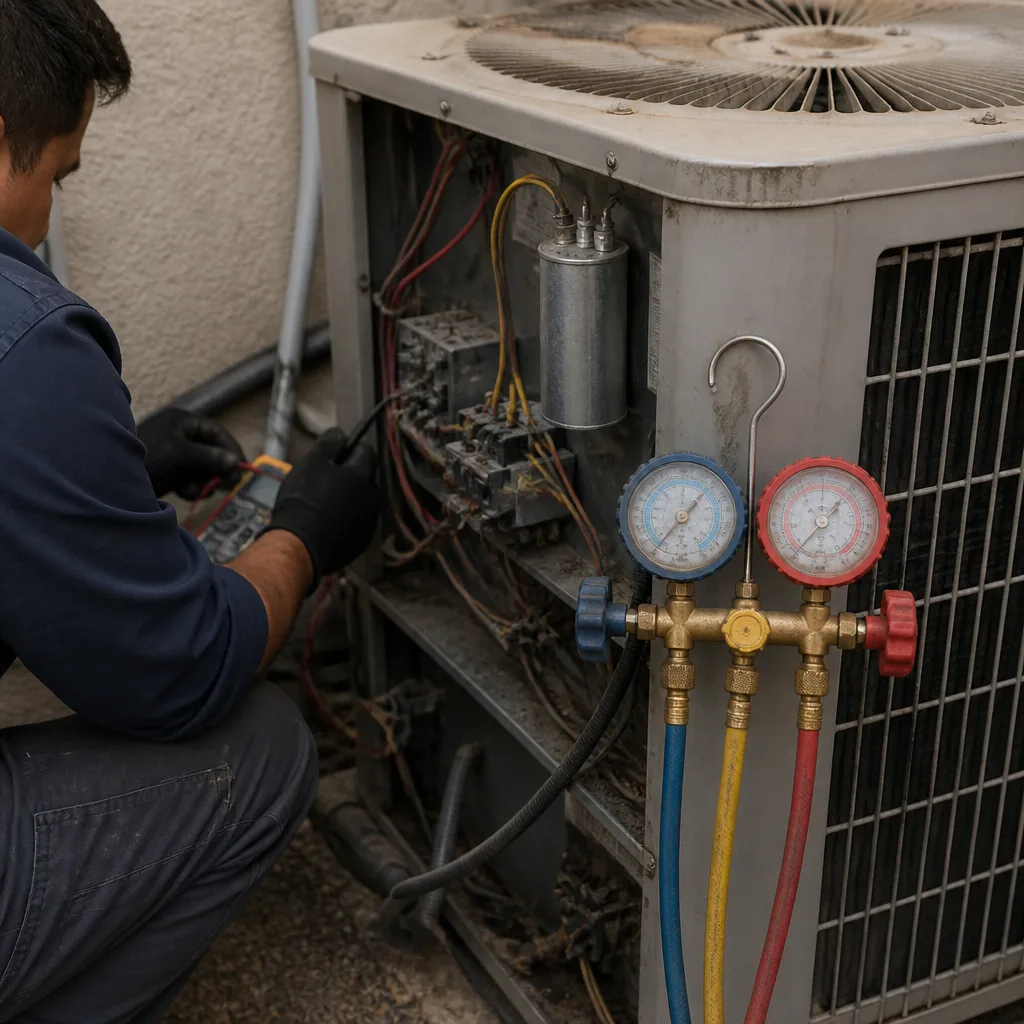
Seasonal tune-up and full diagnostic on your Carrier, Trane, or Goodman system - readings shown to you before any repair is proposed
Diagnosis first, numbers second - you approve the repair price before a single part goes in.
Get your free estimateHVAC Permits, Codes & Inspections in Sunrise Manor, NV: What You Need to Know
If a contractor told you that swapping out your old 3-ton unit doesn’t need a permit in Clark County, get a second opinion. That single sentence is probably the most common piece of bad advice homeowners in Sunrise Manor hear about HVAC work. Unpermitted mechanical work is one of the top issues flagged during Southern Nevada home inspections, and it tends to surface at the worst possible moment: mid-escrow, after a claim, or when a buyer’s inspector starts asking questions. This guide walks through what actually triggers a permit in Clark County, what a mechanical inspection covers, how to look up your own permit history, and what unpermitted work really costs you down the line.
Quick Answer
In Clark County, a mechanical permit is generally required to replace HVAC equipment, modify ductwork, or install a new system; a straight diagnostic or repair usually is not. The permit triggers come from the Clark County Department of Building and Fire Prevention, and permitted replacements must meet current Nevada Energy Code minimums for efficiency, duct sealing, and load calculations. If you’re unsure whether your specific job crosses the threshold, the answer is one phone call to the county away, and it’s worth making before work starts.
Styles & brands we work with
- AC repair
- Furnace & heating
- Heat pumps
- Ductless mini splits
- Carrier
- Trane
- Goodman
Table of Contents
- What Triggers an HVAC Permit in Clark County?
- Permit Thresholds: Replacement, Ductwork, and New Construction
- Nevada Energy Code: Efficiency, Duct Sealing, and Load Calculations
- What a Clark County Mechanical Inspection Actually Covers
- How to Look Up Your Home’s HVAC Permit History
- What Unpermitted HVAC Work Really Costs You
- The Permit Process, Step by Step
- Common Mistakes to Avoid
What Triggers an HVAC Permit in Clark County?
Repairing an HVAC system doesn’t need a permit. Replacing it usually does. Reconfiguring the ductwork attached to it nearly always does. That’s the shortest possible version of a rule that gets mangled every time a contractor tries to save a step.
The county’s mechanical permit rules exist because equipment replacement changes the electrical load, the refrigerant circuit, the combustion venting (on a furnace), and the ductwork pressure balance of the whole house. Any one of those changes is significant on its own. Together they affect safety and efficiency, which is why replacements get reviewed rather than waved through. In our experience talking with homeowners across Sunrise Manor, the confusion usually starts with a single phrase: “like-for-like.” It sounds reassuring. It’s also not a permit exemption.
Here’s what our technicians encounter on a regular basis when they open up a system that’s been swapped out under the “no permit needed” theory:
- A replacement AC that doesn’t match the existing refrigerant line size
- A new condensing unit on a line set that was never pressure-tested for the new system’s capacity
- A furnace with a flue that wasn’t re-verified for the new unit’s output
- Ductwork modified to fit the new air handler, then never sealed at the joints
- An electrical disconnect not updated for the new equipment’s amperage
None of these things announce themselves. They sit there and quietly reduce efficiency, or worse, create a combustion venting hazard on a gas furnace. That’s why the permit system is worth taking seriously in Sunrise Manor, where summer heat pushes every system to its design limits for months.
If you’re already in the middle of an HVAC project and want an honest assessment of where you stand, the team behind AC Repair Sunrise Manor can walk you through what the work should include and what questions to ask your contractor.
Permit Thresholds: Replacement, Ductwork, and New Construction
The most useful way to understand Clark County’s mechanical permit triggers is to think in terms of scope rather than brand, price, or “like-for-like” versus a different model. Scope is what the county cares about. Below is how the three main categories typically break down.
Equipment Replacement
A full system replacement (a condenser and coil swap, a furnace replacement, a heat pump install, a package unit replacement) is generally a permitted mechanical project. The permit covers the equipment being installed, the electrical connection, the refrigerant circuit, and, where applicable, the flue and gas connection. Replacing a single failed part within the existing equipment, like a capacitor, contactor, blower motor, or ignitor, is a repair, not a replacement, and doesn’t trigger a permit.
That distinction matters in Sunrise Manor because plenty of homes have equipment on its last leg and the temptation is to swap in the cheapest unit that will fit. Doing that without a permit means the county never verifies that the new equipment actually meets the efficiency minimum required by the current code cycle. Buyers’ inspectors notice.
Ductwork Modification
Cutting, adding, extending, or re-routing ducts is a mechanical alteration. Sealing existing ducts is in a gray area best answered by the county, but modifying layout definitely crosses the line. If you’re changing airflow to a room, adding a return, or moving a supply, the work is permitted. Simple duct cleaning is not.
New Construction and Additions
Every installed system in new construction and in a permitted addition requires its own mechanical permit, sized and designed to the room load. That’s not a Sunrise Manor quirk; it’s the baseline across Clark County.
For homeowners facing a full replacement decision, our AC installation page walks through how a permitted install is laid out from sizing to final inspection.
Nevada Energy Code: Efficiency, Duct Sealing, and Load Calculations
Nevada’s energy code is based on the International Energy Conservation Code (IECC), and it applies to any permitted equipment replacement. That’s the part of the process most homeowners don’t know about, and it’s the part a good contractor plans for from the start. Three code requirements shape how a permitted HVAC job has to be done:
Minimum Equipment Efficiency
Any installed equipment must meet the efficiency minimum tied to the current code cycle. In practical terms, that means you can’t install a unit whose seasonal efficiency rating falls below the code floor for its size and type. A contractor who says “well, we could put in the cheaper version of this” without addressing the code requirement is telling you something useful about how they work.
Duct Sealing
Permitted replacements that touch the ductwork require the joints, seams, and connections to be sealed against leakage. In Sunrise Manor’s climate, duct leakage is not a minor issue: a system that leaks cool air into a 150°F attic pays for itself in lost capacity, not comfort. Sealing is inspected, not assumed.
Load Calculations
A permitted replacement is supposed to be sized based on a load calculation for the actual house, not “the same tonnage as the old one.” This matters more than most homeowners expect. Clark County homes vary widely by construction era, insulation, window configuration, and orientation. Sizing a system to match whatever someone installed in the 1990s may mean an oversized unit that short-cycles and never dehumidifies properly.
The practical consequence is that a bona fide permitted job takes slightly more prep work than a drop-in swap. It’s worth it. The paperwork is what protects the resale value of your home and documents that the system was installed to code.
For those weighing repair versus replacement on a larger scale, our furnace repair page walks through when repair stays the smarter call and when the code requirement tips the decision.
What a Clark County Mechanical Inspection Actually Covers
The inspection is not a hook-and-look at the equipment. It’s a checklist-based review of whether the installed system meets the permitted scope and the code requirements that go with it. When a permitted install is done correctly, the inspection typically takes a short visit and moves on. The installs that fail tend to fail for the same handful of reasons.
What an inspector is generally checking on a permitted mechanical job:
- Permit and scope match. The equipment installed matches what was permitted, in model, size, and location.
- Electrical connections. The disconnect, breaker size, and wiring method match the equipment’s nameplate requirements.
- Clearances. Service access to the equipment is unobstructed, and the equipment is positioned with the clearance to combustibles the manufacturer specifies.
- Refrigerant circuit. Line sizes and materials match the equipment requirements, and the circuit has been properly installed and pressure-tested.
- Combustion venting (gas furnaces). The flue type, size, and termination meet the equipment’s venting category.
- Gas piping. The gas line is sized and connected correctly, with a shutoff in the right place.
- Duct connections. Transitions and connections between equipment and ducts are sealed mechanically and with approved sealant.
- Condensate handling. The primary and secondary drain or overflow protection is properly installed and routed.
- Load calculation and equipment selection. Documentation showing the unit’s size was based on a load calculation, not a guess.
- Access and labels. Required labels, service disconnects, and access panels are in place.
The common failure reasons we see discussed around Sunrise Manor are almost always process issues, not product issues: duct connections that weren’t sealed at the plenum, an electrical disconnect that wasn’t replaced for a higher-draw unit, a flue that was reused without verifying compatibility, or no load calculation on file. Each of those is fixable before the inspector arrives, and should be, because a re-inspection costs time and stalls the project.
The path to a clean inspection is straightforward. Let the documented process work: get the permit, install to the code, and walk the job before the inspection. If you’re choosing a contractor for a permitted install and want a reference on what a full system replacement looks like in Sunrise Manor, our page on Sunrise Manor explains the local picture.
How to Look Up Your Home’s HVAC Permit History
You can find out whether your existing HVAC system was ever permitted, and the answer often surprises homeowners. Clark County maintains an online permit portal through the Department of Building and Fire Prevention, and searching by address typically surfaces every building, electrical, plumbing, and mechanical permit tied to that parcel.
This is the process we usually walk homeowners through:
- Start at the county permit portal. The Department of Building and Fire Prevention site has a permit search function by address or parcel number.
- Search by the address, not by contractor. Contractor names change over time. Parcels don’t.
- Look for the mechanical permit history. A well-documented install will have a mechanical permit dated near the equipment’s manufacture date. If the equipment’s data plate indicates a 2019 build date and the newest mechanical permit on record is from 2004, that’s your answer.
- Check the inspection result. A permit that was issued but never received a final inspection is worth flagging.
- Screen the whole file, not just the HVAC line. Electrical permits from a panel change, plumbing permits from a water heater, and so on. Comprehensive records are a good sign.
- Note the equipment data plate. The manufacturer’s label on the outdoor unit or furnace shows model and serial numbers, which are dated. That’s how you line up permit history with what’s actually installed.
If the portal search is unclear, the county’s permit counter can also help by phone or in person. It’s a 10-minute task that can save a much longer conversation later. In Sunrise Manor, where a lot of homes have had multiple owners and multiple equipment swaps, having that documented history in hand before you sell or replace is a genuine asset.
What Unpermitted HVAC Work Really Costs You
If unpermitted work was done on your home, the cost doesn’t show up in the moment. It shows up years later, in the middle of a sale, a claim, or a refinance. Here’s where it tends to surface:
Home Insurance Claims
If a fire, water damage, or refrigerant leak is traced to unpermitted HVAC work, your insurer can deny the claim on the grounds that the work wasn’t inspected. This is not hypothetical. It’s a normal interpretation of coverage exclusions for unpermitted alterations. Homeowners who assume their policy covers everything generally don’t find out otherwise until they file.
Escrow and Home Sale Delays
Buyers’ inspectors flag unpermitted mechanical work routinely. When they do, the fix is to permit and inspect the work retroactively, which the county allows in many cases, or to negotiate a credit with the buyer, which usually costs more than the permit would have. Either path delays closing, and either path moves money from the seller to someone else’s side of the table.
Retrofit and Correction Costs
Correcting an unpermitted install rarely means just filing paperwork. If the equipment doesn’t meet the current code minimum, the code requirement applies to the correction. The equipment may need to be replaced, or the ductwork re-sealed, or the load calculation redone to demonstrate compliance. That’s a full project, not a stamp.
Warranty and Manufacturer Claims
Many manufacturers require installation by a licensed contractor to honor the full equipment warranty. Unpermitted work is a red flag that the install may not have been done by a licensed contractor at all. That can void portions of the warranty on equipment that’s only a few years old.
In Sunrise Manor, where homes turn over frequently and the housing stock spans several decades, having a clean permit history is one of the quieter selling points a house can carry. It doesn’t cost much to maintain. It costs a lot to reconstruct.
The Permit Process, Step by Step
The permit process isn’t complicated once you know the order. Here’s the sequence a permitted HVAC replacement typically follows:
- Load calculation and equipment selection. The contractor calculates the home’s heating and cooling load and selects equipment that meets the current Nevada Energy Code minimums.
- Permit application. The contractor submits the mechanical permit application to the Clark County Department of Building and Fire Prevention, with the equipment specs and load calculation attached.
- Permit issued. The county reviews and issues the permit. Timeline varies with workload; your contractor should give you an honest estimate.
- Installation. The work is performed to the permitted scope and the applicable code sections.
- Pre-inspection walk. A good contractor walks the job against the checklist before calling for inspection.
- Inspection. The county inspector verifies the installation against the permit and code. Any deficiencies are noted for correction.
- Final approval. On a clean inspection, the permit is closed and the install is documented on the parcel. Keep the permit number with your home records.
Two things worth emphasizing. First, the permit holder should be the contractor, not you. A permit pulled in the homeowner’s name doesn’t carry the same documentation trail. Second, the final inspection is what matters for resale; a permitted but uninspected install is still an open item on the parcel.
On the equipment side, our technicians have up to 10 years of experience and are certified on Carrier, Trane, Lennox, Goodman, Rheem, York, Daikin, Bryant, and American Standard systems. So whatever HVAC equipment your Sunrise Manor home has, the install process and the code requirements around it are familiar ground. Call (855) 356-3116 for a free estimate. We answer 24/7. Fast dispatch from 7am to 7pm, Sunday through Friday.
Common Mistakes to Avoid
- Trusting “like-for-like” as a permit exemption. It isn’t one in Clark County. Equipment replacement generally requires a permit regardless of whether the new unit matches the old one in size or model. Ask the contractor for the permit number before work starts.
- Assuming a repair and a replacement are legally the same thing. Replacing a capacitor or blower motor is not a permitted event. Replacing the whole condenser is. The line is scope-based, and a contractor who blurs it is the one to be careful with.
- Skipping the load calculation to save time. Sizing to the old nameplate rather than to a load calculation is a code violation on a permitted install and a common cause of oversized systems, short cycling, and uneven cooling in Sunrise Manor’s heat.
- Failing to seal duct connections. Duct sealing is inspected on permitted replacements. Unsealed plenum connections and transitions to existing duct lose capacity and fail inspection.
- Reusing the existing electrical disconnect without verification. New equipment with a different amperage draw needs the matching disconnect and breaker. Inspectors check this every time.
- Not looking up the permit history before listing or buying. The county portal takes minutes. Finding unpermitted work during escrow takes weeks and usually money.
- Waiting on the final inspection. An open permit stays open on the property record, and a buyer’s inspector will find it. Close the permit as part of the job, not as an afterthought.
See the difference
 Before
 After
 Before
 After
 Before
 After
When to Call a Professional
Permits, load calculations, code compliance, and inspection coordination are not homeowner tasks, even for someone handy with a multimeter. If you’re planning a system replacement, if a contractor has told you no permit is needed for a job you suspect is (that second opinion is worth getting before you sign), if you’re buying a Sunrise Manor home and want the mechanical history verified, or if an existing system might have been installed unpermitted and you need to understand how to bring it into compliance, that’s a conversation with a licensed contractor. Gas connections and high-voltage electrical at the equipment are both genuinely dangerous and belong to trained professionals; we don’t recommend homeowners open either one. AC Repair Sunrise Manor offers free estimates in Sunrise Manor. Call (855) 356-3116.
Frequently Asked Questions
In most cases, yes. Clark County generally requires a mechanical permit for a full equipment replacement, whether it’s an air conditioner, a heat pump, a furnace, or a package unit. Straight repairs to existing equipment typically don’t require one, but a replacement is a different scope. Call (855) 356-3116 for a free estimate on your replacement and we’ll walk through the permit requirement for your specific job.
Unpermitted HVAC work can lead to denied insurance claims, escrow delays, and correction costs when you sell. Your insurer may treat work that was never inspected as an uncovered alteration, and a buyer’s inspector will usually flag it. In some cases, the county allows a retroactive permit and inspection; in others, the work must be corrected to current code. Either path takes time and money, which is why it’s worth catching before a sale or a claim.
A Clark County mechanical inspection verifies that the installed equipment matches the permitted scope and meets code requirements. Inspectors typically check the permit-to-equipment match, electrical connections and disconnect, clearances, refrigerant line sizing, combustion venting on furnaces, gas connections, duct connections and sealing, condensate handling, and documentation that the equipment size was based on a load calculation. Common failures involve unsealed duct joints, an electrical disconnect that wasn’t updated, or missing load calculations.
Yes. The Clark County Department of Building and Fire Prevention maintains an online permit portal that lets you search by address or parcel number. You’ll see building, electrical, plumbing, and mechanical permits tied to the property. Comparing the mechanical permit dates against the equipment’s data plate is the quickest way to spot an unpermitted install. If the portal leaves you with questions, the county permit counter can help by phone or in person.
Yes. Nevada’s energy code, based on the IECC, sets minimum efficiency requirements for installed equipment, requires duct connections and transitions to be sealed on permitted replacements, and expects sizing to be based on a load calculation. Those requirements apply to the permitted scope, so a valid replacement needs to meet them, not just fit in the same spot as the old unit. For a system from Carrier, Trane, Daikin, Bryant, or any of the other brands we’re certified on, we’ll advise which equipment meets the current efficiency minimums for your home. Call (855) 356-3116 for a free estimate.
Most inspection failures come from straightforward process issues rather than product problems. The common ones are unsealed duct connections, an electrical disconnect that wasn’t replaced when equipment draw changed, a reused flue on a furnace with different venting requirements, missing load calculation documentation, or a mismatched equipment model versus the permit. A contractor who walks the job against the checklist before the inspector arrives will catch those before they become a re-inspection.
The Bottom Line
Clark County mechanical permits exist for a reason, and “like-for-like” isn’t an exemption. A permitted replacement means the county verified the equipment meets Nevada Energy Code minimums, the ductwork is sealed, the electrical and gas connections are safe, and the equipment was sized to your actual home. That documentation is what protects you at insurance claim time, at escrow, and in five years when the next buyer’s inspector shows up. If a contractor pushes back on permitting, take the second opinion. It costs nothing and it’s usually right.
Whatever system you have in your Sunrise Manor home, we can help you plan the replacement around the permit process. Call (855) 356-3116 for a free estimate. We answer 24/7. Fast dispatch from 7am to 7pm, Sunday through Friday. Estimates are free and the written estimate sets the final price, so you know exactly what you’re approving before work starts.
Written by the team at AC Repair Sunrise Manor.